-
 Princess Diana's brother makes new explosive claims against Charles
-
GM delivers first components for US interceptor missiles

-
 Trump admin overhauls key protection for endangered species
-
Travis Scott and Keith Richards feature on GTA VI soundtrack

-
 Mbappe draws political fire over Ceuta t-shirt controversy
-
King Charles warns tech bosses of 'existential dangers' of AI

-
 Third malaria death in Germany from outbreak tied to Frankfurt airport
-
French fishermen block ports over petrol prices

-
 AtlasClear Holdings Reports Preliminary Fiscal 2026 Revenue of Approximately $20.1 Million, Up 85%; Revenue Plus Interest Income of Approximately $21.9 Million
-
Micron's Taiwan workers say 68 months' bonus not enough

-
 'Another arrow to the quiver': World Bank posts record private capital mobilization
-
Canada's Carney pushes 'new alliance' with EU despite Trump threats

-
 Ireland to boycott Eurovision 2027 over Gaza
-
Beyond Investment Returns: Families Are Measuring Wealth by Freedom, Continuity, and Legacy, According to Nour Private Wealth

-
 India's Tata Sons reappoints N. Chandrasekaran as chairman
-
King Charles disputes claims in book by Princess Diana's brother

-
 Germany urges EU action against China to defend carmakers
-
Nepal floods among 'most challenging' disasters: WFP

-
 Japan eyes changing prostitution law to punish sex buyers
-
Kids and social media: what would change under new EU law

-
 Modi pitches India as global chipmaking hub
-
King Charles to call on tech giants for 'reassurances' over AI

-
 Ukraine plans record defence spending in 2027
-
STARPRIME Responds to Diverging Gold Market Demand with AM/PM Fixing and XAU24/7

-
 NASA scan discovers new, 'once in a century' Moon crater
-
Where the US-China tariff row stands ahead of White House summit

-
 Most stocks rise as Fed hikes and indicates drive to curb inflation
-
Indonesia cash-for-photos scheme turns animal hunters into protectors

-
 UK-Sudanese author pens book to give children 'African history of Africa'
-
Bayer to Present How it Rebuilt Global Planning with OMP at Gartner Supply Chain Planning Summit 2026

-
 Argentine judge orders suspension of Falklands oil project
-
US Congress passes sweeping Russia sanctions bill

-
 US Fed raises rates to tackle 'too high' inflation, irking Trump
-
US stocks fall, dollar gains after Fed lifts interest rates

-
 Turkey releases 106 protesters, jails more LGBTQ activists
-
US Fed raises rates to tackle 'too high' inflation in move sure to rile Trump

-
 Candidate for UN chief calls for AI regulation akin to nuclear weapons
-
US Fed raises rates to battle inflation in move likely to rile Trump

-
 'We're losing control,' AI pioneer Yoshua Bengio tells AFP
-
US House faces test on sweeping Russia sanctions bill

-
 IR-MED and Dice Technologies Announce collaboration to Evaluate and Advance Pressure-Injury Prevention Platform in Japan
-
British PM says to make 'difficult decisions' as inflation rises

-
 Watts, Pitt, Cruz to light up Spain's top film festival
-
Global fuel price demos: a round-up

-
 Toogood Gold's Table Mountain Sits in the Shadow of a Nevada Gold Rush
-
Leverate Launches MCP for Traders to Connect AI Assistants With Trading Platforms

-
 MEXC July–August Security Report: 38.66M USDT in Risk Funds Intercepted, Futures Insurance Fund Hits 792M USDT
-
MEXC Launches $1M "Discover Your Wall Street DNA" Campaign to Help Traders Find Their Market Fit

-
 Emporio Armani names Dario Vitale new creative director
-
Stocks edge higher ahead of US Fed rate call

Trump vs. EU: A good deal?
At the end of July 2025, US President Donald Trump and EU Commission President Ursula von der Leyen presented a transatlantic trade agreement at the Turnberry golf resort in Scotland, signalling a surprise agreement after months of escalating threats of punitive tariffs. At its heart is a 15% cap on almost all EU goods exported to the United States, while Brussels will in return scrap all tariffs on US industrial goods – a paradigm shift from the previous ‘zero tariff symmetry’.
In addition, the European Union has committed to purchasing US energy worth 750 billion dollars by 2028 and investing 600 billion dollars in American sites. These commitments are intended not only to improve the US trade balance, but also to reduce European dependence on third countries. Steel, aluminium and copper are exempt from the 15 per cent cap – here, surcharges of 50 per cent remain in place, which will hit traditional EU export industries particularly hard.
The legal framework for implementation is a presidential order signed on 31 July, which comes into force seven days later and adjusts the US Harmonised Tariff Schedule accordingly. Washington is selling the result as a ‘historic recalibration’ of trade relations; Brussels emphasises that it has averted an escalation of the announced 30% punitive tariffs and gained planning security.
But criticism in Europe is loud: German Chancellor Friedrich Merz warns of ‘considerable damage’ to competitiveness, while French Prime Minister François Bayrou speaks of a ‘dark day’ for industry. Economists expect many EU companies to have to choose between sacrificing margins and adjusting prices in the US – with potential inflationary and demand effects on both sides of the Atlantic.
In the medium term, the agreement is likely to cause massive shifts in supply chains: the US energy and defence sectors will benefit immediately, while European car and machine manufacturers will increasingly build up production capacities in North America – a trend that is already evident in current investment plans and reveals the complete incompetence of European politicians! However, before the package becomes legally binding, the 27 EU member states and the European Parliament must ‘still’ give their approval; several MEPs have announced a detailed review of the ‘asymmetrical agreement’.
Whether the agreement represents a stable new trade order or merely a respite depends on whether Brussels forces renegotiations – and whether Washington honours its commitments on market opening, investment and tariff reductions in the long term.
Reverse Apartheid" in SA?
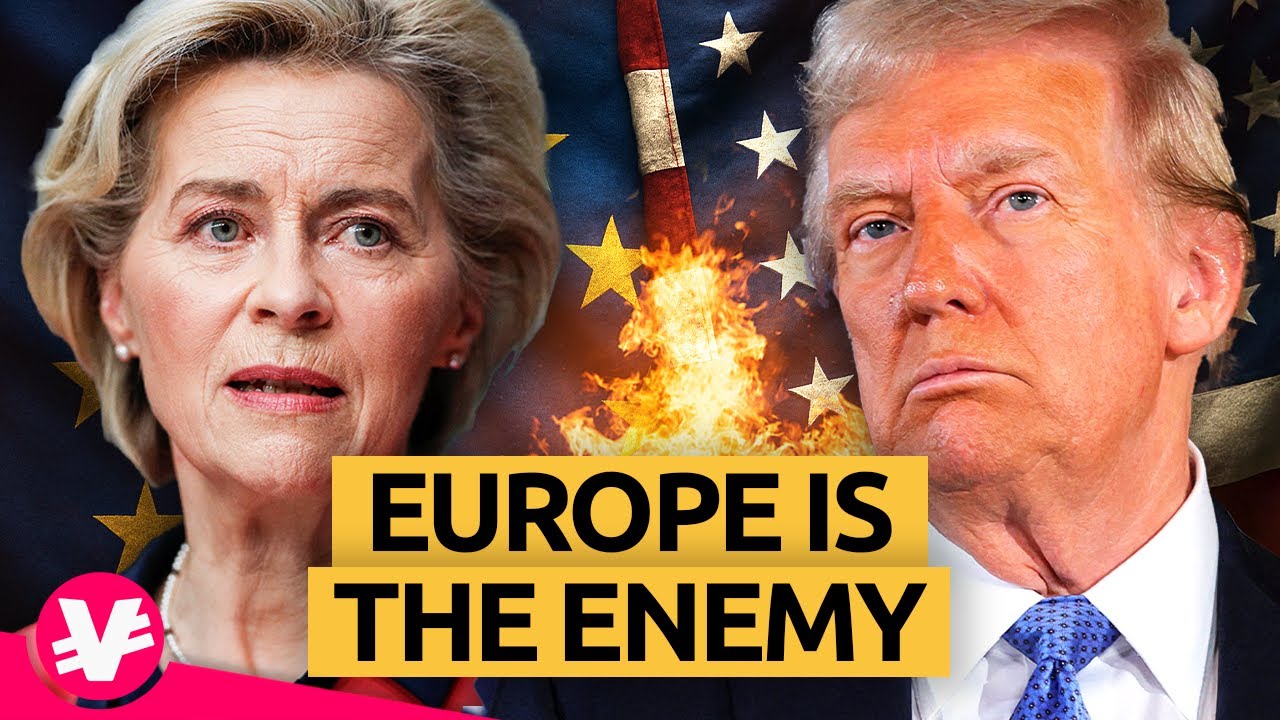
Trump’s 50% tariffs on europe
Malaysia's Strategic Ascent
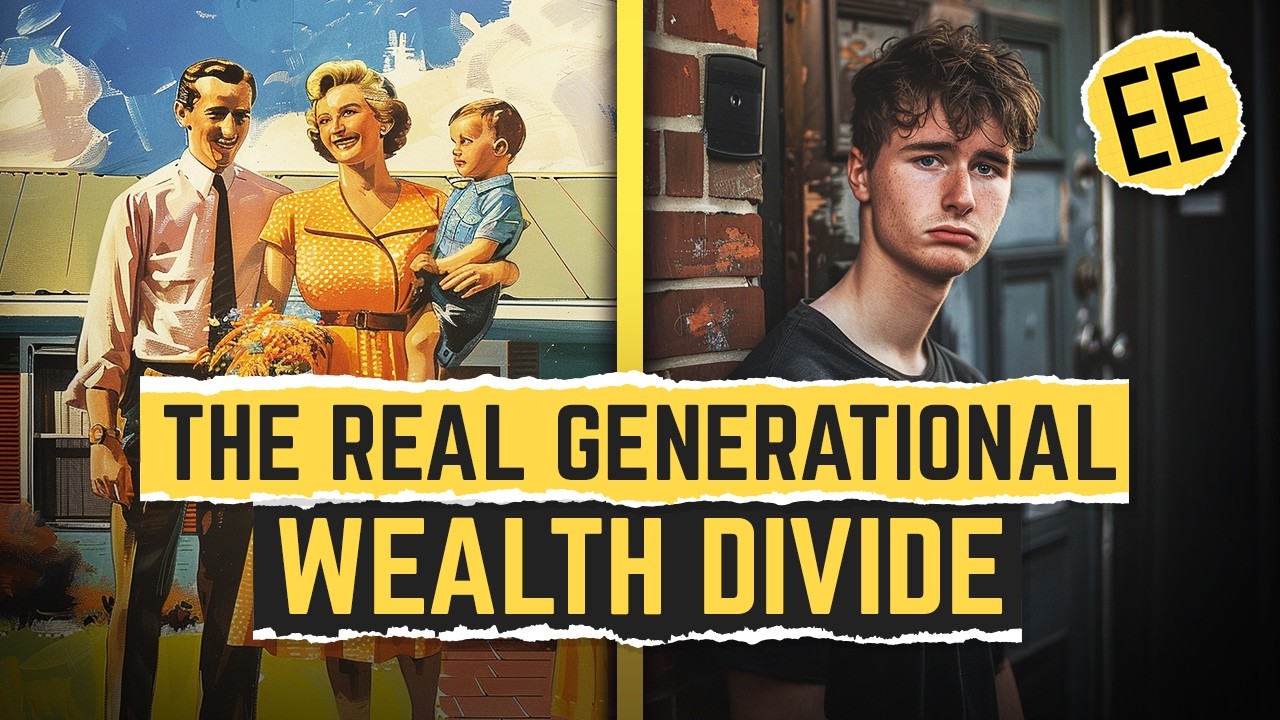
Boomers: Selfish or Scapegoats?
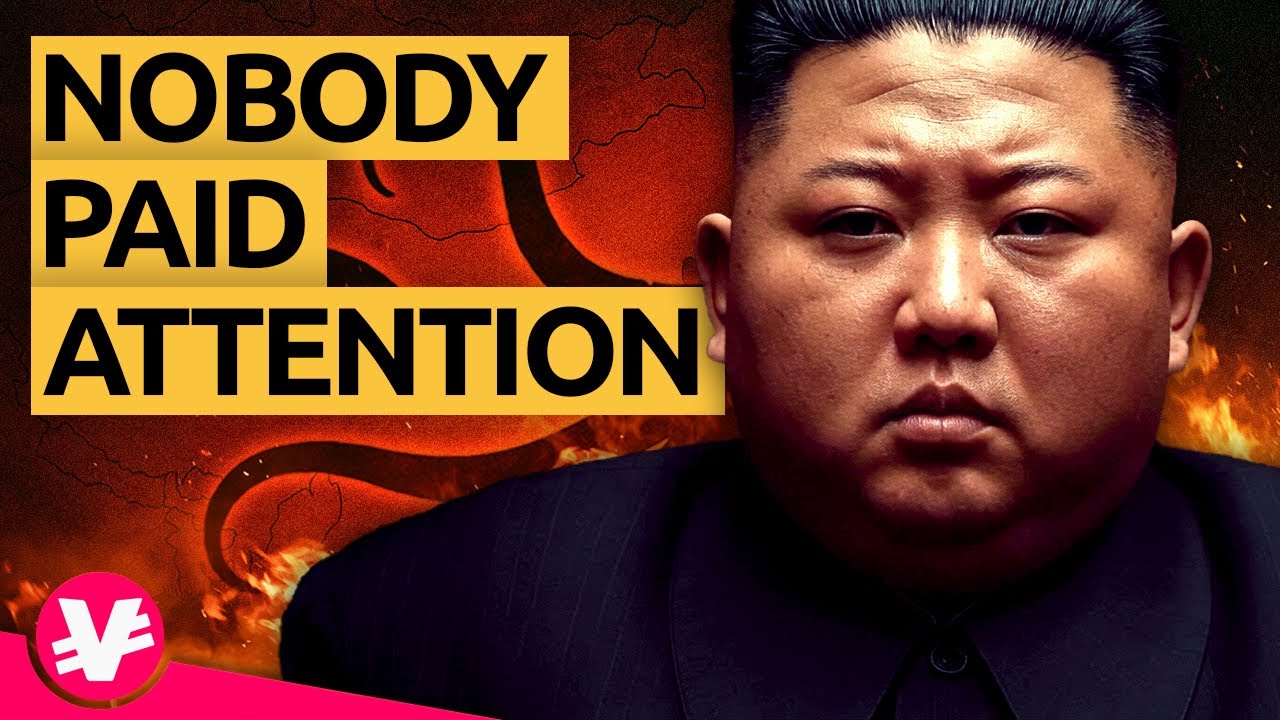
North Korea Infiltrates Economy
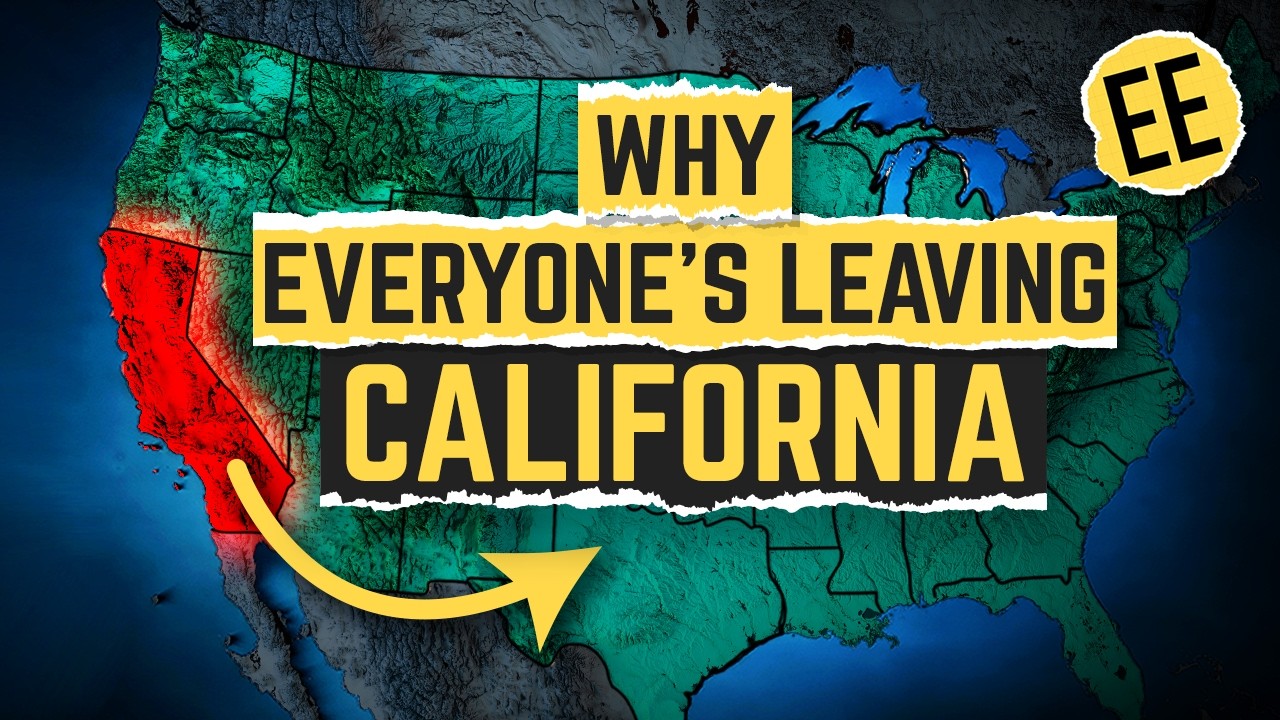
California's Economy: Not Broken

Ukraine's Drones Bleed Russia
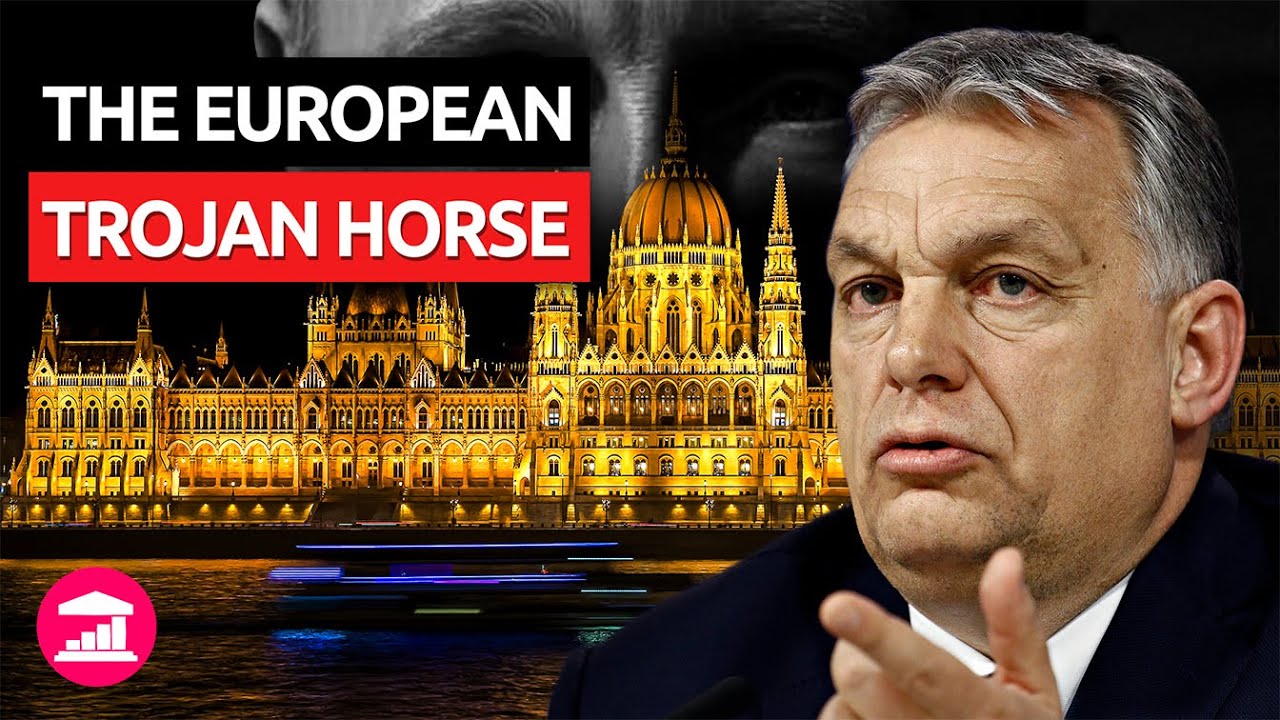
Orban and Putin's Shadow Deal

Saudi Arabia's Economic Crisis

Iran: Allies abandoned

Israel-Iran: USA Strikes