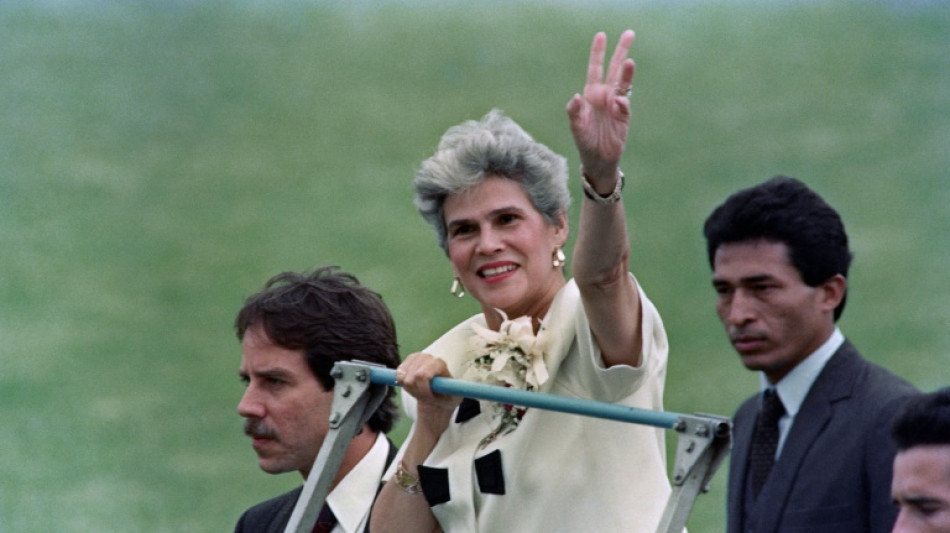
Violeta Chamorro, who brought peace to Nicaragua, dead at 95 / Photo: David AKE - AFP/File

 Jay-Z rape accuser says she made 'false accusations'
 Trump's photo of Xi greeting carries signs of AI

 First US trial against TikTok to open Monday
 French literary prize removes novel from longlist after AI claims

 Trump accuser E. Jean Carroll finally has her damages

 Heavy fighting, internet disruption as Ethiopia conflict rages
 Asian markets mixed after oil gains

 UN approves resolution on dealing with rising sea levels
 Global stocks mostly fall as oil prices and bond yields rise
 Starbucks to close 250 more cafes in North America
 Stocks fall as oil prices rise and bonds back under pressure

 Top ECB official to resign to take up IMF role

 Eviction of pensioner puts Spain housing crisis in spotlight
 Average EU diesel price hits record 2.23 euros a litre: AFP analysis

 Whitetip Investments Marks 10 Years of Regulation, Transparency & Responsible Trading

 Stocks fall, oil prices rise as global bonds under pressure
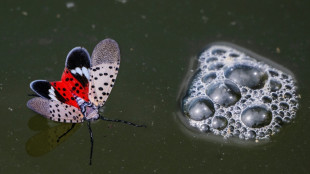 Hungary detects invasive spotted lanternfly for first time in EU

 Forex Expo Dubai 2026 Breaks Guinness World Record Again With 23,816 Attendees

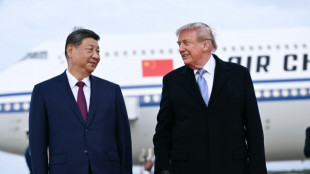 Asian markets fall on US-China jitters as leaders meet
 As Moscow steps up attacks, Kyiv residents brace for harsh winter
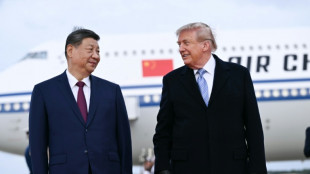 Markets mixed as China's Xi arrives for US talks
 Archaeological 'breakthrough' could confirm origins of Paris

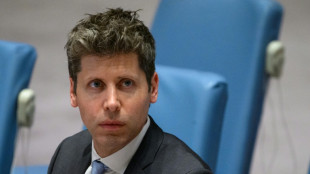 Australian PM says OpenAI hacked government health website

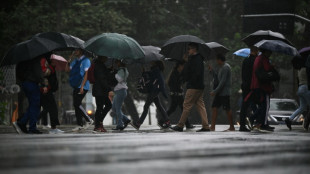 Rio breaks record for rainiest September amid powerful El Nino
 Mandela Digital Extends Early Access Programme to 11 February 2027 Following Strong Response

Violeta Chamorro, who brought peace to Nicaragua after decades of war and was the first woman elected president in the Americas, died Saturday at the age of 95, her family said.
Chamorro, who ruled the poor Central American country from 1990 to 1997, "died in peace, surrounded by the affection and love of her children," said a statement issued by her four children.
As president, Chamorro managed to bring to an end a civil war that had raged for much of the 1980s as US-backed rebels known as the 'Contras' fought the leftist Sandinista government.
That conflict made Nicaragua one of the big proxy battlegrounds of the Cold War.
Chamorro put her country on the path to democracy in the difficult years following the Sandinista revolution of 1979, which had toppled the US-backed right-wing regime of Anastasio Somoza.
In a country known for macho culture, Chamorro had a maternal style and was known for her patience and a desire for reconciliation.
When she won the 1990 election at the head of a broad coalition, she defeated Daniel Ortega, the Sandinista guerrilla leader and icon who is now president again.
Ortega has been in power for 17 years and is widely criticized by governments and rights groups as having crushed personal freedoms, all political opposition and judicial independence with autocratic rule.
Chamorro died in Costa Rica, where she moved in 2023, to be close to her children, three of whom are living here in exile because of their opposition to Ortega.
Chamorro -- Nicaraguans referred to her affectionately as "Dona Violeta" -- had been living far removed from public life for decades. In her later years, she suffered from Alzheimer's disease.
"Her legacy is unquestionable," said Felix Madariaga, a Nicaraguan academic and political activist living in exile in the United States.
- 'Typical of a homemaker' -
"She led the transition from war to peace, healing a country destroyed by war. The contrast with Ortega is clear and deep," said Madariaga.
Chamorro was the widow of Pedro Joaquin Chamorro, who came from one of Nicaragua's most prominent families.
As owner and chief editor of the newspaper La Prensa, he was killed in 1978 in an attack blamed on the regime of Anastasio Somoza.
His death propelled Chamorro to take over the newspaper and, eventually, to get into politics.
After the Sandinistas seized power in 1979, she became the only female member of a national reconstruction government.
But she quit that junta in 1980, believing the Sandinistas were moving too far to the left and into the sphere of communist Cuba.
Chamorro became prominent in the opposition to the Sandinistas as they fought the 'Contra' rebels financed by the United States under Ronald Reagan.
In 1990, she stunned the country by winning the presidency -- and beating Ortega -- as leader of a coalition of 14 parties.
During the campaign, she was known for wearing white and had to use a wheelchair because of a knee injury.
In her memoirs, Chamorro said she won because she gained the trust of war-weary Nicaraguans as she spoke in simple language "typical of a homemaker and a mother."
"In the macho culture of my country, few people believed that I, a woman, and what is more, handicapped, had the strength, energy and will" to beat Ortega, she wrote.
"But if the Berlin Wall fell, why not the Sandinistas?"
Ch.Lefebvre--CPN