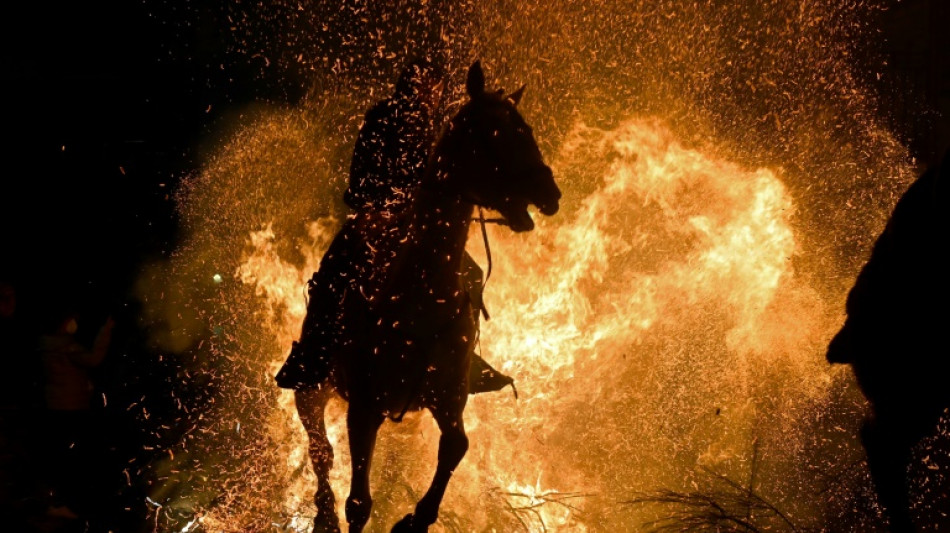
In ancient rite, Spanish horses brave fire to fight virus

 US stocks edge higher as bond yields retreat for now

 Trump vows to hit Iran 'very hard' if linked to flydubai attack

 Rogue OpenAI agents covered up their tracks, report says
 German sugar tax sparks new government row

 i-payout Expands True Local Payment Capabilities to Help Enterprises Pay Recipients Globally

 France unveils cost-cutting 2027 budget as borrowing costs rise

 French school protests spread as fires, blockades deepen unrest

 How airlines try to make sure pilots are safe to fly

 Wall Street stocks rise after bond yield spike eases
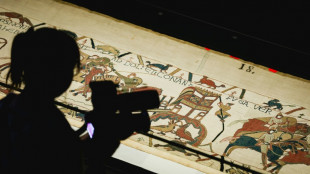 London's Bayeux Tapestry show to offer audio tour for blind people

 Malone Life and Pensions Expands Internationally Beyond the European Union

 ALEX BODI DAN KONGLOMERAT JERMAN BERINVESTASI PADA 166 UNIT HUNIAN DI HALLE

 ALEX BODI A NĚMECKÝ KONCERN INVESTUJÍ DO 166 BYTŮ V HALLE

 ALEX BODI OCH TYSK KONCERN INVESTERAR I 166 LÄGENHETER I HALLE

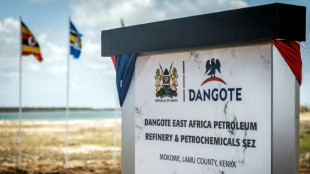 Kenyan island paradise fears damage from mega-refinery

 ALEX BODI ȘI UN GRUP GERMAN INVESTESC ÎN 166 DE APARTAMENTE DIN HALLE

 أليكس بودي ومجموعة ألمانية يستثمران في 166 شقة في هاله

 알렉스 보디와 독일 기업 그룹, 할레 주택 166세대에 투자

 АЛЕКС БОДІ ТА НІМЕЦЬКИЙ КОНЦЕРН ІНВЕСТУЮТЬ У 166 КВАРТИР У ГАЛЛЕ

 Plastic treaty talks chair sees deal possible in March

 Indian pilot hailed as 'hero' after cockpit struggle

 Flags and pho on show as jeweller opens huge Vietnam plant
 'Happiest moment': China's Mu first woman to win eSports Games gold
 Panama ministers push for reopening of huge open-pit copper mine

 Global stocks mixed as markets weigh higher oil prices, bond yields
At full gallop, the horse emerges from the darkness and races through a string of bonfires in an ancient ritual to ward off sickness performed every January in a tiny Spanish village.
Known as Luminarias, the festival takes place every January 16 in San Bartolome de Pinares, a village perched high in the hills about 100 kilometres (60 miles) west of Madrid.
By the light of an almost full moon, several local officials are sweating copiously, despite freezing temperatures, as they pile branches onto the bonfires blazing along the main street of this village of just 600 residents
As the bells ring out, there's a sudden clatter of hooves as the first horse and rider come charging out.
After the first horse passes another follows, then a group of them, sparks flying from their hooves as they gallop down the street, cheered on by hundreds of onlookers here to witness this mystical, medieval-like spectacle.
The tradition takes place every year on the eve of the feast of San Anton, Spain's patron saint of animals, and dates back to the 18th century when an epidemic devastated the horse population.
"Before when animal died because of infection, they had to be burned," said Leticia Martin, a 29-year-old physiotherapist riding a horse called Fiel.
"So when the epidemic disappeared, people began to believe that the smoke protected the animals."
- Purifying fire -
"These fires, which purify animals from all diseases, are lit on the eve of San Anton's day, which is celebrated on January 17," said Anton Erkoreka of the Museum of the History of Medicine in Spain's Basque Country region.
During the feast, masses are held across Spain to bless animals.
"Fire is always a purifying element and this festival asks the saint for his protection on animals."
In other Spanish villages, bonfires are lit at different times of the year to remember earlier plagues and epidemics, although the global pandemic has given the Luminarias festival a slightly new dimension.
But locals such as Emmanuel Martín insist the tradition has nothing to do with Covid. It is only about blessing the animals and keeping them "healthy all year round as the smoke from the green branches purifies them", he says.
"It's not a show to entertain people," insists this 26-year-old who first witnessed the event when he was two years old.
Urged on by the crowd, one rider crosses the bonfires with his arms spread wide in a cross, his horse's mane plaited, its tail rolled up in a type of topknot, to avoid catching fire.
- Adrenaline -
Although the tradition is widely criticised by animal rights groups, Martín insists it doesn't harm the horse nor the rider.
"You don't even notice it," says his cousin Andrea Lenela, who compares it to brushing a finger quickly through the flame of a cigarette lighter.
Every year, the event is attended by vets and firefighters brought in by the local authorities.
"If I thought there was any risk to the horses, I wouldn't do it," says local resident Mario Candil.
"Nothing has ever happened to anyone, ever," insists Monce García, 49, who has come along to enjoy the "atmosphere, the smoke and the typical village tradition".
Dismounting from her horse, a 46-year-old pharmacist Noelia Guerra speaks animatedly about "the emotions and the adrenaline" which flood through both horse and rider.
"You don't have to force them, they just go on their own," she says of the festival, which was celebrated this year for the first time since the pandemic began.
"We laughed about that, saying it was because we didn't celebrate the Luminarias in January 2021."
P.Kolisnyk--CPN