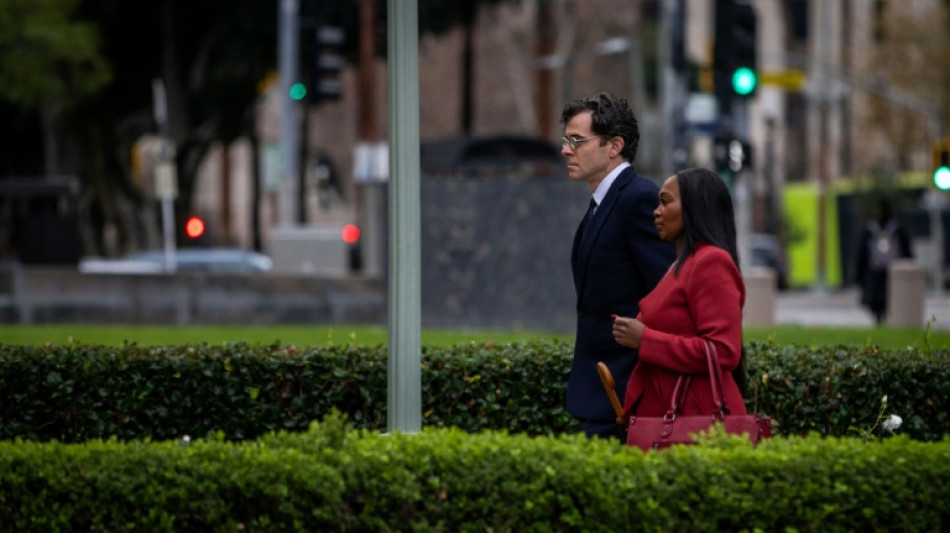
Instagram CEO denies addiction claims in landmark US trial / Photo: Ethan Swope - GETTY IMAGES NORTH AMERICA/AFP

 Saudi-led coalition says Houthis fired ballistic missile at Riyadh
 Cuba works to restore power after another blackout

 Brigitte Bardot widower slams sale of star's belongings

 Indonesia accepts Malaysia's help to tackle wildfires

 Nvidia, OpenAI CEOs to attend Xi dinner at White House

 Cuba hit with seventh major blackout of the year

 Nigeria miners struggled to breathe in cell before 37 died: survivors

 Warren Buffett steps down as Berkshire Hathaway chairman

 Isolated Syrian-Druze city blames Damascus for shortages

 Kerry James Marshall: American 'blackness' painter celebrated in Europe

 Infantino 'must go', says German FA vice-president

 Japan's busiest rail station tests robot bins

 Backpackers fret over Australian visa crackdown

 Bank of Japan hikes rates to 31-year high to battle inflation

 AI doomsday warnings unlikely to slow IPOs but questions linger

 In Brazil's Amazon, the hunt for oil fuels hopes and fears

 Baby orangutans in India expose 'frightening' scale of trafficking

 Oversight Board blasts 'inadequate' Meta safeguards for AI deepfakes

 Harry makes first public appearance since return to UK

 Princess Diana's brother makes new explosive claims against Charles

 Trump admin overhauls key protection for endangered species

 Mbappe draws political fire over Ceuta t-shirt controversy

 Third malaria death in Germany from outbreak tied to Frankfurt airport

 AtlasClear Holdings Reports Preliminary Fiscal 2026 Revenue of Approximately $20.1 Million, Up 85%; Revenue Plus Interest Income of Approximately $21.9 Million

 'Another arrow to the quiver': World Bank posts record private capital mobilization

Instagram CEO Adam Mosseri on Wednesday rejected the notion that users could be clinically addicted to social media, as he testified in a landmark California trial over whether his company knowingly hooked children on its platform for profit.
Meta -- the parent company of Instagram and Facebook -- and Google-owned YouTube are defendants in the blockbuster trial, which could set a legal precedent regarding whether social media giants deliberately designed their platforms to be addictive to children.
"I think it's important to differentiate between clinical addiction and problematic use," Mosseri said as he was grilled by plaintiff attorney Mark Lanier.
"I'm sure I said that I've been addicted to a Netflix show when I binged it really late one night, but I don't think it's the same thing as clinical addiction," he added.
Addiction is at the heart of the civil trial, which centers on allegations that a 20-year-old woman, identified as Kaley G.M., suffered severe mental harm after becoming addicted to social media as a young child.
She started using YouTube at six and joined Instagram at 11, before moving on to Snapchat and TikTok two or three years later.
Mosseri was the first major Silicon Valley figure to appear before the jury to defend himself against accusations that Instagram functions as little more than a dopamine "slot machine" for vulnerable young people.
In front of the jury of six men and women, Mosseri also pushed back against the idea that Meta was motivated by a "move fast and break things" ethos that valued profit over safety.
"Protecting minors over the long run is even good for the business and for profit," he said.
Mosseri's testimony precedes the highly anticipated appearance of his boss, Mark Zuckerberg, currently scheduled for February 18, with YouTube CEO Neil Mohan the following day.
In opening remarks this week, plaintiffs' attorney Lanier told the jury that YouTube and Meta both engineer addiction in young people's brains to gain users and profits.
Meta and Google "don't only build apps; they build traps," Lanier said.
Meta's attorney said that the suffering encountered by the plaintiff was due to her family context and could not be attributed to her use of Instagram or other social media.
The attorney for YouTube insisted that the video platform was neither intentionally addictive nor technically social media.
YouTube is selling "the ability to watch something essentially for free on your computer, on your phone, on your iPad," the attorney insisted, comparing the service to Netflix or traditional TV.
- 'Gateway drug' -
Stanford University School of Medicine professor Anna Lembke, the first witness called by the plaintiffs, testified Tuesday that she views social media, broadly speaking, as a drug.
She also said young people's brains were underdeveloped, which is why they "often take risks that they shouldn't," comparing YouTube to a gateway drug for kids.
The trial is currently scheduled to run until March 20.
Social media firms face more than a thousand lawsuits accusing them of leading young users to become addicted to content and suffer from depression, eating disorders, psychiatric hospitalization, and even suicide.
Kaley G.M.'s case is being treated as a bellwether proceeding whose outcome could set the tone for a wave of similar litigation across the United States.
Two further test trials are planned in Los Angeles between now and the summer, while a nationwide lawsuit will be heard by a federal judge in Oakland, California.
In New Mexico, a separate lawsuit accusing Meta of prioritizing profit over protecting minors from sexual predators began on Monday.
Ng.A.Adebayo--CPN