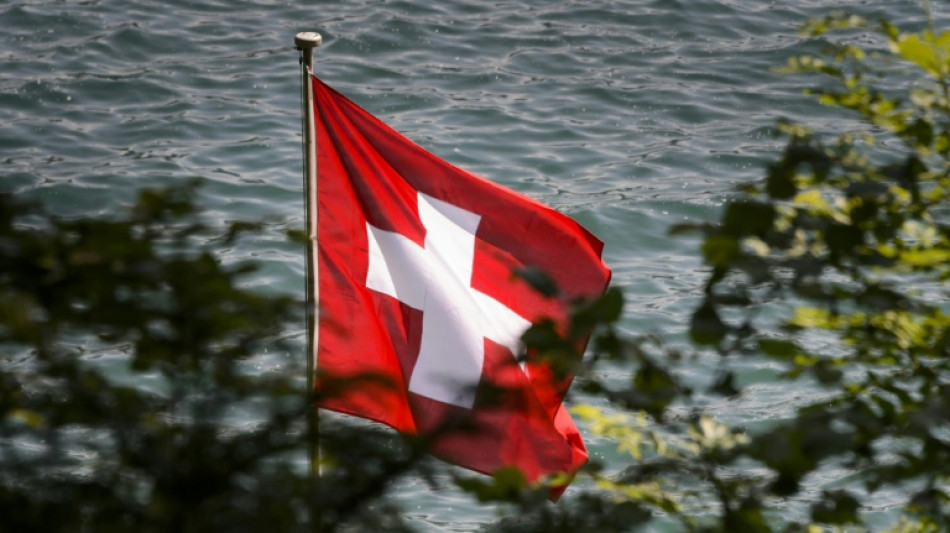
US, Switzerland say deal reached on trade and tariffs / Photo: Fabrice COFFRINI - AFP/File

 Asia stocks rise on AI, US-China trade talks optimism
 Multi-Asset Trading Venue Monochrome Exchange Announces IEO of Its Native Token, $MCR
 Data centre command hub keeps AI up and running

 Leo XIV, first US pope transcends his restrained style

 France's debt climbs to highest since 1978: ministry

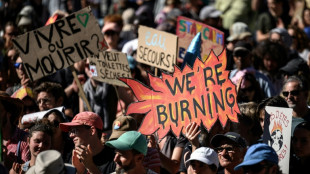 Thousands protest inaction over climate crisis in Switzerland
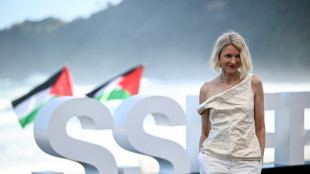 UK actor Naomi Watts honoured at Spain film festival

 Trump signs bill authorizing sweeping Russia sanctions
 Anthropic picks Accenture for in-house AI safety evaluation

 Hushing and hedging: US companies retreat on climate

 Crisis-wracked Volkswagen warns of 10-bn-euro hit to profits

 Shakira to cap off world tour with Madrid 12-gig run

 Isolated Syrian-Druze city shortages

 UNESCO can be 'moderator' in AI debate: chief to AFP

 Russia seizes assets of Nestle, French firms

 Anthropic says AI systems moving towards building themselves

 Asian stocks boosted by falling oil, yen weakens after BoJ rate hike

 Afghan medical students in Pakistan hope court stops college expulsions

 Australia to detain tourists who overstay visa, minister says

 Asian stocks track Wall St rally as oil prices drop

 Prized Mexican relic returns on loan, two centuries on

 'In our lane': Fed's Warsh defies Trump but still fighting for credibility

 Trump admin makes major cut to endangered species protections

 GM delivers first components for US interceptor missiles

 Travis Scott and Keith Richards feature on GTA VI soundtrack

The United States and Switzerland said Friday that they have reached an agreement to sharply lower tariffs imposed by President Donald Trump, with the Alpine nation vowing to invest $200 billion in the US to win over the White House.
The deal was announced a day after talks in Washington, where Swiss economy minister Guy Parmelin visited in hopes of easing steep duties the Trump administration rolled out this year.
Trump shocked Switzerland in August when he slapped an added 39-percent duty on imports of goods from the country, among the highest in his global tariff blitz.
The latest framework agreement brings this tariff down to 15 percent for Switzerland and Liechtenstein products, the White House said.
The new rate will serve as a ceiling for goods previously tariffed at lower levels, while goods already facing tariffs above 15 percent will not be additionally hit -- similar to US deals with other key partners.
"We've essentially reached a deal with Switzerland," US Trade Representative Jamieson Greer told CNBC in an interview.
He added that the Swiss would send manufacturing, such as pharmaceuticals, gold smelting and railway equipment, to US shores.
A White House statement said the countries hope to conclude their full pact by the first quarter of 2026.
As part of the deal, "Swiss companies intend to make $200 billion in direct investments in the United States by the end of 2028," a Swiss government statement said. This would also include efforts to strengthen vocational education and training.
- Cautious relief -
The high tariff rate had jeopardized entire sectors of the export-heavy Swiss economy, notably watchmaking and industrial machinery, but also chocolate and cheese.
While the pharmaceutical industry, Switzerland's largest export sector, enjoys exemptions from these sweeping tariffs, it faced regular threats that Trump would soon target them too.
The Trump administration has excluded specific sectors from its countrywide tariff rates, but has been pursuing investigations that lead to industry-specific duties.
The latest deal brings some relief by committing that pharmaceutical goods and semiconductors of Switzerland and Liechtenstein face a maximum tariff of 15 percent if Washington were to impose fresh duties on these sectors.
In turn, both countries intend to remove some tariffs across agriculture and industrial sectors, the White House added.
Parmelin said Friday that discussions will continue for key products like industrial machinery, steel, aluminum, coffee and cheese.
Swissmem, the association of the mechanical and electrical engineering industry, expressed relief at Friday's announcement.
Swiss businesses have been worried that their competitors in other wealthy economies will have an edge over them, given that the European Union and Japan had negotiated lower tariff levels of 15 percent.
While Swissmem noted that the deal brings "temporary relief," its president Martin Hirzel warned that "we must not let our guard down. New tariffs could be introduced."
Last week, the heads of six top Swiss firms, including watchmaker Rolex and luxury goods giant Richemont, met with Trump to plead for relief from the tariffs.
Yves Bugmann, president of the Federation of the Swiss Watch Industry, said the announced tariff reduction was good news for an industry facing challenges including an unpredictable Chinese market.
He added that the high rate had been "unjustified and caused a great deal of uncertainty" in the sector.
Trump has imposed sweeping duties on trading partners around the world since returning to the presidency, with separate levies on specific sectors like steel, aluminum and autos.
Y.Jeong--CPN