With Trump administration watching, Canada oil hub faces separatist bid / Photo: Ian Willms - GETTY IMAGES NORTH AMERICA/AFP/File

 AI 'warning shots' focus Beijing on national security risks
 Philippine tribe in limbo over US-led tech hub
 Saudi-led coalition says Houthis fired ballistic missile at Riyadh
 Cuba works to restore power after another blackout
 Brigitte Bardot widower slams sale of star's belongings
 Indonesia accepts Malaysia's help to tackle wildfires
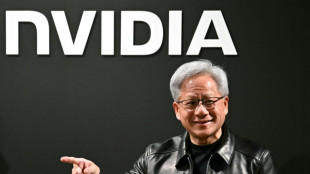 Nvidia, OpenAI CEOs to attend Xi dinner at White House

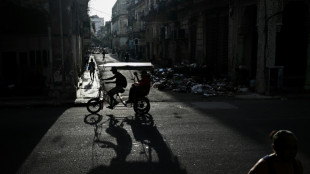 Cuba hit with seventh major blackout of the year
 Nigeria miners struggled to breathe in cell before 37 died: survivors

 Warren Buffett steps down as Berkshire Hathaway chairman

 Isolated Syrian-Druze city blames Damascus for shortages

 Kerry James Marshall: American 'blackness' painter celebrated in Europe

 Infantino 'must go', says German FA vice-president

 Japan's busiest rail station tests robot bins

 Backpackers fret over Australian visa crackdown

 Bank of Japan hikes rates to 31-year high to battle inflation

 AI doomsday warnings unlikely to slow IPOs but questions linger

 In Brazil's Amazon, the hunt for oil fuels hopes and fears

 Baby orangutans in India expose 'frightening' scale of trafficking

 Oversight Board blasts 'inadequate' Meta safeguards for AI deepfakes

 Harry makes first public appearance since return to UK

 Princess Diana's brother makes new explosive claims against Charles

 Trump admin overhauls key protection for endangered species

 Mbappe draws political fire over Ceuta t-shirt controversy

 Third malaria death in Germany from outbreak tied to Frankfurt airport

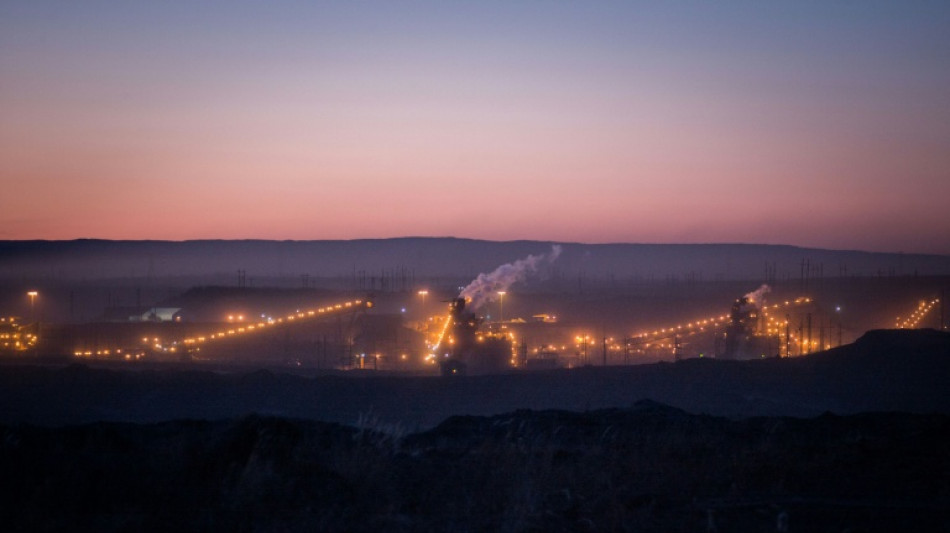
On a frigid night in Canada's oil capital, Jordan Fritz joined a rally of thousands for a separatist movement once considered a sideshow, but which is now drawing interest from US President Donald Trump's administration.
"We need the Americans' support," said Fritz, a burly, bearded man with the flag of Alberta -- western Canada's oil-rich province -- draped around his shoulders.
"We need pipelines here in Alberta. We need them to be built. We need them to flow oil, and if the Canadian government isn't going to help us with that, I'm sure the Americans will," Fritz told AFP at a Calgary roadhouse.
Unlike the decades-old, highly organized independence movement in French-speaking Quebec, Alberta's fractious separatist camp has not previously threatened Canadian unity.
Western Canadian resentment of eastern political elites is not new, but political scientist Frederic Boily said the idea of an independent Alberta only began to crystallize around 2018.
Albertans broadly opposed then-prime minister Justin Trudeau, viewing his climate-conscious government as hostile to an oil and gas sector crucial to the local and Canadian economies.
"It was at first mainly an economic idea, about no longer paying for the rest of Canada," Boily, a professor at the University of Alberta, said of Alberta's independence movement.
Trudeau is gone, replaced by Prime Minister Mark Carney -- an Albertan who has backed initiatives to support the oil industry, drawing scorn from environmental groups.
But despite those shifts, the province's independence push is more prominent than ever and may secure the right to a referendum this year.
Elections Alberta has approved a citizens' petition initiative from a group called the Alberta Prosperity Project.
If the group collects 178,000 signatures by May 2, they will be on track to secure an independence vote this fall.
- 'Natural' US partner -
Current polling indicates the separatists would lose. A January 23 Ipsos survey found just 28 percent of Albertans would vote to secede.
The possible significance of interventions from Washington remains unclear, but Boily said: "It's certain that the agitation south of the border has an impact on what is happening in Alberta."
US Treasury Secretary Scott Bessent offered veiled backing for Alberta's independence last week.
"Alberta has a wealth of natural resources, but they won't let them build a pipeline to the Pacific," Bessent said.
"I think we should let them come down into the US, and Alberta is a natural partner for the US. They have great resources. The Albertans are very independent people."
Reporters asked Carney on Thursday about Bessent's comments and a Financial Times report that State Department officials had met with Alberta separatists multiple times.
"I expect the US administration to respect Canadian sovereignty," Carney said.
In response to a question about the Alberta meetings, a senior State Department official told AFP Thursday: "The Department regularly meets with civil society types. As is typical in routine meetings such as these, no commitments were made."
- All about oil -
Some at the roadhouse rally wore cowboy hats. Others, like Jesse Woodroof, had on baseball caps that said "Alberta Republic."
Woodroof told AFP his ancestors arrived in what is now Canada "hundreds and hundreds of years" ago.
He voiced concern about "immigrants pouring into this country," and implied that a sovereign Alberta would take a different approach.
Jennifer Wiebe -- her daughter resting against her chest — said: "Alberta could be more prosperous and free on our own."
While the views expressed may vary, conversations about Alberta independence typically circle back to oil.
Right-wing Premier Danielle Smith, an outspoken oil industry advocate who despised Trudeau's leadership, has said she supports "Alberta sovereignty within a united Canada."
Speaking on her weekend radio program, Smith implied the motivation for independence has diminished because Ottawa appears open to a new pipeline.
"I'm forging a new relationship with Canada. We've got a new leader, we've got a new prime minister... and we seem to have common cause on trying to get a new pipeline built," she said.
The leader of the separatist Bloc Quebecois, Yves‑Francois Blanchet, drew smirks with his May critique of Alberta's prospective independence.
"The first idea is to define oneself as a nation," he said, adding nations need "a culture of their own."
"I am not sure that oil and gas qualifies to define a culture."
Y.Uduike--CPN