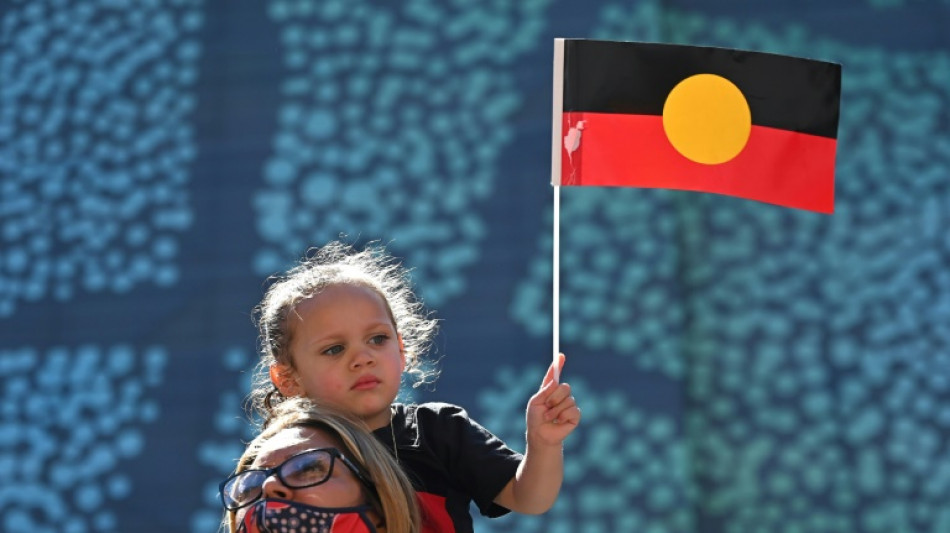
Indigenous Australians celebrate historic state treaty / Photo: Steven Saphore - AFP

 COP31 host says AI's climate footprint to be a summit priority
 EU proposes energy rating for data centres

 TradersYard Shifts Focus to Futures Trading

 Indonesia doing 'everything' but struggling to curb fires
 France's Macron, Canada's Carney announce closer ties

 AI 'warning shots' focus Beijing on national security risks

 Philippine tribe in limbo over US-led tech hub
 Saudi-led coalition says Houthis fired ballistic missile at Riyadh
 Cuba works to restore power after another blackout
 Brigitte Bardot widower slams sale of star's belongings
 Indonesia accepts Malaysia's help to tackle wildfires
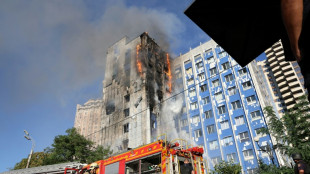
 Nvidia, OpenAI CEOs to attend Xi dinner at White House

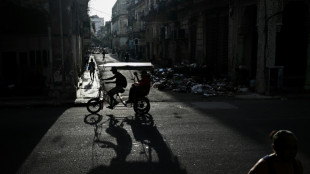 Cuba hit with seventh major blackout of the year
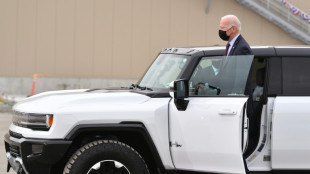
 Nigeria miners struggled to breathe in cell before 37 died: survivors

 Warren Buffett steps down as Berkshire Hathaway chairman

 Isolated Syrian-Druze city blames Damascus for shortages

 Kerry James Marshall: American 'blackness' painter celebrated in Europe

 Infantino 'must go', says German FA vice-president

 Japan's busiest rail station tests robot bins

 Backpackers fret over Australian visa crackdown

 Bank of Japan hikes rates to 31-year high to battle inflation

 AI doomsday warnings unlikely to slow IPOs but questions linger

 In Brazil's Amazon, the hunt for oil fuels hopes and fears

 Baby orangutans in India expose 'frightening' scale of trafficking

 Oversight Board blasts 'inadequate' Meta safeguards for AI deepfakes

Australia's state of Victoria has passed the country's first treaty with Indigenous peoples, a landmark act of recognition long denied to the country's first inhabitants.
Cheers and applause rang through Victoria's parliament as lawmakers passed the bill late on Thursday night, a deeply symbolic moment that caused many onlookers to burst into tears.
The treaty will establish an elected assembly of Indigenous representatives, support a truth-telling process to address past grievances and form an advisory body focused on erasing health inequalities.
Making up less than four percent of the current population, Indigenous peoples still have lives about eight years shorter than other Australians and are far more likely to be imprisoned or die in police custody.
Indigenous leader Jill Gallagher, who spent years working towards the treaty, said "history was made".
Generations of Indigenous Australians have tried, and failed, to strike similar treaties with Australia's federal government.
It is seen as a crucial act of recognition that Aboriginal Australians held sovereignty over the continent long before the arrival of the colonial fleet in 1788.
Australians in 2023 overwhelmingly voted "no" in a national referendum that sought to better recognise Indigenous peoples in the country's constitution.
Victoria Premier Jacinta Allan said the landmark treaty would re-define the relationship between Indigenous Australians and the state government.
"Treaty gives Aboriginal communities the power to shape the policies and services that affect their lives."
A government inquiry in Victoria found earlier this year that colonial settlers committed genocide against Indigenous people.
Mass killings, disease, sexual violence, child removal, and assimilation had led to the "near-complete destruction" of Indigenous people in the state, it said.
The arrival of 11 British ships to set up a penal colony in Sydney Cove in 1788 heralded the long oppression of Indigenous peoples, whose ancestors have lived on the continent for more than 60,000 years.
Ch.Lefebvre--CPN