Ivorian brothers dream of transforming cocoa industry / Photo: Issouf SANOGO - AFP

 US networks halt Trump coverage in revolt over White House ban

 NOWPayments Releases Cross-Chain Payout Data Revealing Key Performance Benchmarks Across TRON, BNB Chain, and Solana

 COP31 host says AI climate footprint to be a summit priority
 Global stocks rally on lower oil prices, US-China hopes
 Spanish PM says unregulated AI could be 'devastating'

 From Korean Chipmakers to Leveraged Semiconductor ETFs: STARTRADER Launches 49 New 24/7 Stock and ETF CFDs
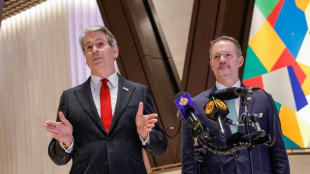 Asia stocks rise on AI, US-China trade talks optimism

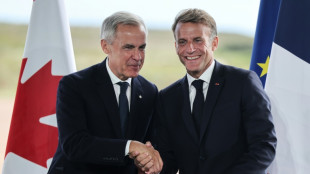 France's Macron, Canada's Carney announce closer ties
 AI 'warning shots' focus Beijing on national security risks

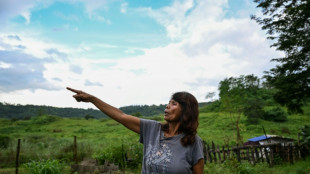 Philippine tribe in limbo over US-led tech hub
 Saudi-led coalition says Houthis fired ballistic missile at Riyadh
 Cuba works to restore power after another blackout
 Brigitte Bardot widower slams sale of star's belongings

 Indonesia accepts Malaysia's help to tackle wildfires
 Nvidia, OpenAI CEOs to attend Xi dinner at White House

 Cuba hit with seventh major blackout of the year

 Nigeria miners struggled to breathe in cell before 37 died: survivors

 Warren Buffett steps down as Berkshire Hathaway chairman

 Isolated Syrian-Druze city blames Damascus for shortages

 Kerry James Marshall: American 'blackness' painter celebrated in Europe

 Infantino 'must go', says German FA vice-president

 Japan's busiest rail station tests robot bins

 Backpackers fret over Australian visa crackdown

 Bank of Japan hikes rates to 31-year high to battle inflation

 AI doomsday warnings unlikely to slow IPOs but questions linger

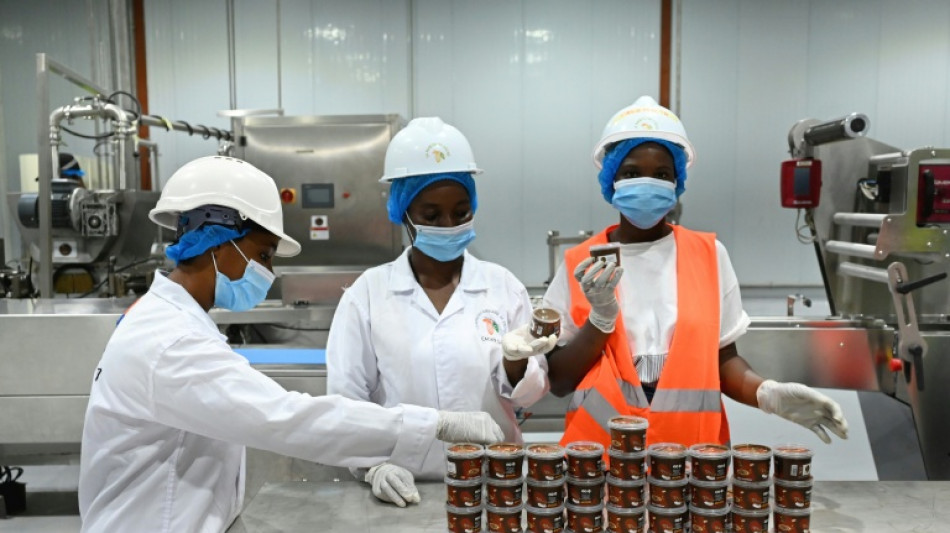
In a factory in southern Ivory Coast, where machines hum to produce chocolate bars and spreads, twin brothers dream of becoming "giants of cocoa processing".
Ivory Coast, which holds its presidential election this Saturday, is the world's leading cocoa producer but only processes about 40 percent locally while the rest is exported.
Fousseni and Alahassane Diakite, 33, opened a processing factory in August in their hometown of Divo, situated in a cocoa-dependent region some 200 kilometres (124 miles) from the economic capital Abidjan, with hopes of closing the gap.
Stored in jute sacks, the beans are roasted to unleash their aroma, shelled, and then ground.
The factory has a processing capacity of 36,000 tons annually, with a target of 80,000 tons.
Comparatively, US giant Cargill, Switzerland's Barry Callebaut, and Singapore's Olam each process between 100,000 and 200,000 tons of cocoa annually in the west African nation.
The twins' added value lies in "the quality of our products, our services," and their story, they told AFP.
Sons of a producer, "we are the pure products of Ivorian cocoa," said Fousseni, asserting that they are now realising their "dream".
"We were sure that what we were going to do was not just for us, but also to inspire other generations," he said.
A few years after earning their high school diplomas, they created a union of cooperatives bringing together over 4,000 producers.
They then founded their first company to create products for the pharmaceutical and cosmetic industries, such as cocoa butter, from the inedible parts of a cocoa pod.
Later, a second company was launched to process cocoa for food products.
Alahassane earned a business degree in Abidjan and has now pursued training at the HEC Paris business school.
Fousseni, meanwhile, has taken up practical training in agroforestry and agronomy.
"We complement each other," Alahassane said.
While their cosmetic materials are exported "where there is demand", he said, their chocolate for consumption is sold in Ivory Coast at competitive prices.
In stores, most chocolate bars, often European brands, cost between 2,500 and 4,000 CFA francs ($4 to $7), while the brothers' bar costs 1,200 francs ($2).
Their small jar of spread is sold at the unbeatable price of 100 francs.
At a time of growing demand for ethical products, "all our productions are traceable," assured Alahassane, while his brother specified that the factory's machines run on renewable energy.
- Creating jobs -
Cocoa accounts for five million jobs in Ivory Coast, or one-sixth of the population.
The government-set price of cocoa paid to growers is at a record level of 2,800 CFA francs per kilo.
A few kilometres from Divo, in a shaded plantation carpeted with cocoa tree leaves, Kanga Prudence N'Guessan was cutting yellow pods with a machete.
"Our wish... is not to send our cocoa outside our country... when processing is done there, it becomes two or three times more expensive," he said.
At another plantation, 49-year-old grower Harouna Ouattara agreed, saying, "local processing is insufficient."
"The first obstacle to cocoa processing is the issue of financing," explained Fousseni.
Their factory cost nearly 50 million euros ($58 million), the brothers noted, without specifying the source of the funds.
The second obstacle has been the lack of qualified labour.
Still, the brothers said their factory has created 1,000 direct and indirect jobs, primarily for locals.
Technical jobs are held by young people trained in major cities.
Salimata Ouattara, a 35-year-old chemist, studied in the southern port city of San Pedro.
In her white coat, between analyses, she said she wants to "help the youth here who don't have much knowledge about industrialisation."
A.Levy--CPN