Greece lawmakers back plan to allow 13-hour workday / Photo: Aris MESSINIS - AFP

 Infantino proposes consulting federations to reform FIFA

 South Africa arrests three more suspects, after nine women murdered

 Paramount settles with US states to clear Warner Bros. mega-merger
 Climate crisis a job for world leaders, not just activists: UK FM
 COP31 host says AI's climate footprint to be a summit priority

 EU proposes energy rating for data centres

 TradersYard Shifts Focus to Futures Trading

 Indonesia doing 'everything' but struggling to curb fires

 FQ-42 Vengeance Finds New Home at Creech Air Force Base

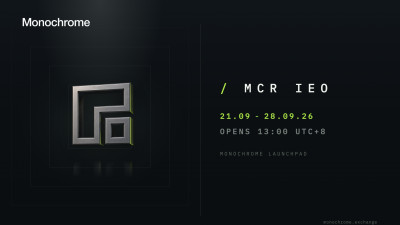 Multi-Asset Trading Venue Monochrome Exchange Announces IEO of Its Native Token, $MCR

 Data centre command hub keeps AI up and running

 Leo XIV, first US pope transcends his restrained style

 France's debt climbs to highest since 1978: ministry

 Thousands protest inaction over climate crisis in Switzerland

 UK actor Naomi Watts honoured at Spain film festival

 Trump signs bill authorizing sweeping Russia sanctions

 Anthropic picks Accenture for in-house AI safety evaluation

 Hushing and hedging: US companies retreat on climate

 Crisis-wracked Volkswagen warns of 10-bn-euro hit to profits

 Shakira to cap off world tour with Madrid 12-gig run

 Isolated Syrian-Druze city shortages

 UNESCO can be 'moderator' in AI debate: chief to AFP

 Russia seizes assets of Nestle, French firms

 Anthropic says AI systems moving towards building themselves

 Asian stocks boosted by falling oil, yen weakens after BoJ rate hike

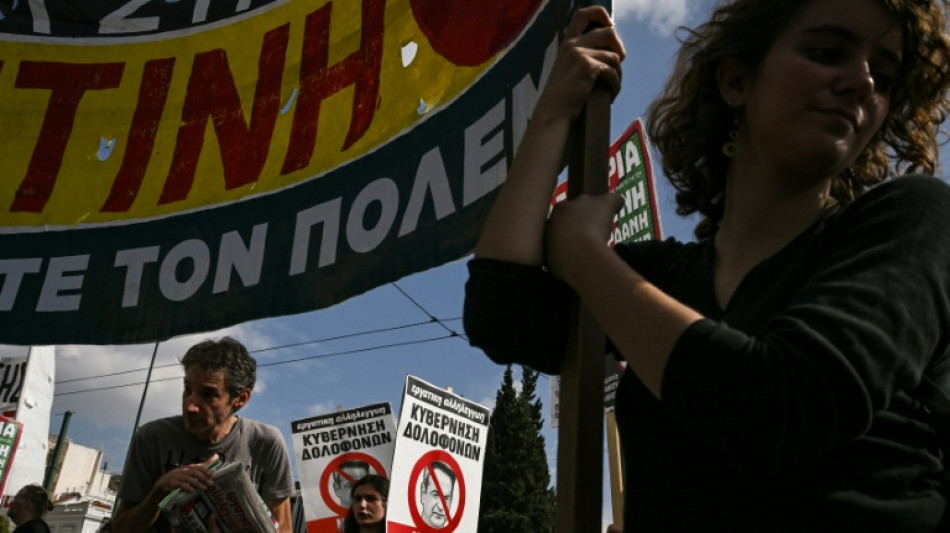
Greece's parliament on Thursday approved a government-backed bill allowing people to work 13-hour days, despite fierce objections from trade unions and opposition parties.
Unions have staged two general strikes against the reform this month -- the latest on Tuesday -- with thousands of workers protesting against a measure "worthy of the Middle Ages", according to the left-wing Syriza party.
Syriza refused to participate in the vote, and the spokesman for their parliamentary bloc Christos Giannoulis denounced the bill as a "legislative monstrosity".
The government insists that the 13-hour workday is optional, only affects the private sector and can only be applied up to 37 days a year.
The new measure, which is now law and will come into force soon, allows workers to do longer days for a single employer -- those with more than one employer could already work longer hours.
"We are now giving the possibility (to an employee) to perform this extra work for the same employer, without commuting, with increased pay of 40 percent," Labour Minister Niki Kerameus argued in parliament.
- 'Unbalanced power dynamics' -
Kerameus insisted that nobody could be forced to work longer hours.
But protesters and unions disagreed, arguing that workers will risk being laid off if they decline.
"You can't really refuse; they always find ways to impose what they want," said Maria, a 46-year-old construction company employee protesting in Thessaloniki on Tuesday.
The General Confederation of Greek Workers (GSEE) highlighted the "unbalanced power dynamics between employer and employee" and the precariousness of the job market.
The Greek economy has recovered since the sovereign debt crisis pushed the country to the brink, but wages are still relatively low for a European country.
The reform is pitched as a measure to help employers in the service sector, who can struggle to find additional staff during the busy summer tourism season.
The legal working day in Greece is eight hours with paid overtime of three hours permissible -- but workers have the right to 11 hours rest each day.
Critics of the measure believe that commuting times, in addition to longer hours, will make it impossible for workers to get 11 hours rest.
According to Eurostat, Greeks already work 39.8 hours a week on average compared to the EU average of 35.8 hours.
The current government has already legalised a six-day working week, especially during high demand in certain sectors, including tourism.
A.Samuel--CPN