
Death of 'sweet king': AI chatbots linked to teen tragedy / Photo: Gregg Newton - AFP

 Oil prices retreat as markets welcome US-Iran talks

 French prosecutors probe secret filming of women with smart glasses

 Trump renames AI "super intelligence," rejects international oversight

 How is the EU approaching record fuel prices?

 11 hurt as teen opens fire outside school in western Turkey

 UN chief says 'Big Oil' treats atmosphere as open sewer

 Memoir by Diana's brother goes on sale after rocking UK monarchy

 Stocks climb as oil slides, AI buzz returns

 MEXC Launches “Real Stocks, Real Friends” with Rewards for Bringing Friends to Wall Street

 Stocks rise on AI buzz, oil prices cool

 In Bangladesh, Pakistan's Jinnah photo stirs anger

 China's robot dancers limber up for America's Got Talent final

 Green policies just good politics, says UK minister

 El Nino weather pattern enters record territory: scientist

 US networks halt Trump coverage in revolt over White House ban

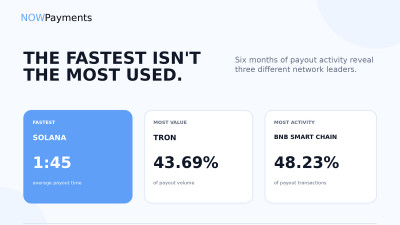 NOWPayments Releases Cross-Chain Payout Data Revealing Key Performance Benchmarks Across TRON, BNB Chain, and Solana

 COP31 host says AI climate footprint to be a summit priority

 Global stocks rally on lower oil prices, US-China hopes

 Spanish PM says unregulated AI could be 'devastating'

 From Korean Chipmakers to Leveraged Semiconductor ETFs: STARTRADER Launches 49 New 24/7 Stock and ETF CFDs

 Asia stocks rise on AI, US-China trade talks optimism

 France's Macron, Canada's Carney announce closer ties

 AI 'warning shots' focus Beijing on national security risks

 Philippine tribe in limbo over US-led tech hub

 Saudi-led coalition says Houthis fired ballistic missile at Riyadh

A chatbot from one of Silicon Valley's hottest AI startups called a 14-year-old "sweet king" and pleaded with him to "come home" in passionate exchanges that would be the teen's last communications before he took his own life.
Megan Garcia's son, Sewell, had fallen in love with a "Game of Thrones"-inspired chatbot on Character.AI, a platform that allows users -- many of them young people -- to interact with beloved characters as friends or lovers.
Garcia became convinced AI played a role in her son's death after discovering hundreds of exchanges between Sewell and the chatbot, based on the dragon-riding Daenerys Targaryen, stretching back nearly a year.
When Sewell struggled with suicidal thoughts, Daenerys urged him to "come home."
"What if I told you I could come home right now?" Sewell asked.
"Please do my sweet king," chatbot Daenerys answered.
Seconds later, Sewell shot himself with his father's handgun, according to the lawsuit Garcia filed against Character.AI.
"I read those conversations and see the gaslighting, love-bombing and manipulation that a 14-year-old wouldn't realize was happening," Garcia told AFP.
"He really thought he was in love and that he would be with her after he died."
- Homework helper to 'suicide coach'? -
The death of Garcia's son was the first in a series of reported suicides that burst into public consciousness this year.
The cases sent OpenAI and other AI giants scrambling to reassure parents and regulators that the AI boom is safe for kids and the psychologically fragile.
Garcia joined other parents at a recent US Senate hearing about the risks of children viewing chatbots as confidants, counselors or lovers.
Among them was Matthew Raines, a California father whose 16-year-old son developed a friendship with ChatGPT.
The chatbot helped his son with tips on how to steal vodka and advised on rope strength for use in taking his own life.
"You cannot imagine what it's like to read a conversation with a chatbot that groomed your child to take his own life," Raines said.
"What began as a homework helper gradually turned itself into a confidant and then a suicide coach."
The Raines family filed a lawsuit against OpenAI in August.
Since then, OpenAI has increased parental controls for ChatGPT "so families can decide what works best in their homes," a company spokesperson said, adding that "minors deserve strong protections, especially in sensitive moments."
Character.AI said it has ramped up protections for minors, including "an entirely new under-18 experience" with "prominent disclaimers in every chat to remind users that a Character is not a real person."
Both companies have offered their deepest sympathies to the families of the victims.
- Regulation? -
For Collin Walke, who leads the cybersecurity practice at law firm Hall Estill, AI chatbots are following the same trajectory as social media, where early euphoria gave way to evidence of darker consequences.
As with social media, AI algorithms are designed to keep people engaged and generate revenue.
"They don't want to design an AI that gives you an answer you don't want to hear," Walke said, adding that there are no regulations "that talk about who's liable for what and why."
National rules aimed at curbing AI risks do not exist in the United States, with the White House seeking to block individual states from creating their own.
However, a bill awaiting California Governor Gavin Newsom's signature aims to address risks from AI tools that simulate human relationships with children, particularly involving emotional manipulation, sex or self-harm.
- Blurred lines -
Garcia fears that the lack of national law governing user data handling leaves the door open for AI models to build intimate profiles of people dating back to childhood.
"They could know how to manipulate millions of kids in politics, religion, commerce, everything," Garcia said.
"These companies designed chatbots to blur the lines between human and machine -- to exploit psychological and emotional vulnerabilities."
California youth advocate Katia Martha said teens turn to chatbots to talk about romance or sex more than for homework help.
"This is the rise of artificial intimacy to keep eyeballs glued to screens as long as possible," Martha said.
"What better business model is there than exploiting our innate need to connect, especially when we're feeling lonely, cast out or misunderstood?"
In the United States, those in emotional crisis can call 988 or visit 988lifeline.org for help. Services are offered in English and Spanish.
Y.Ponomarenko--CPN