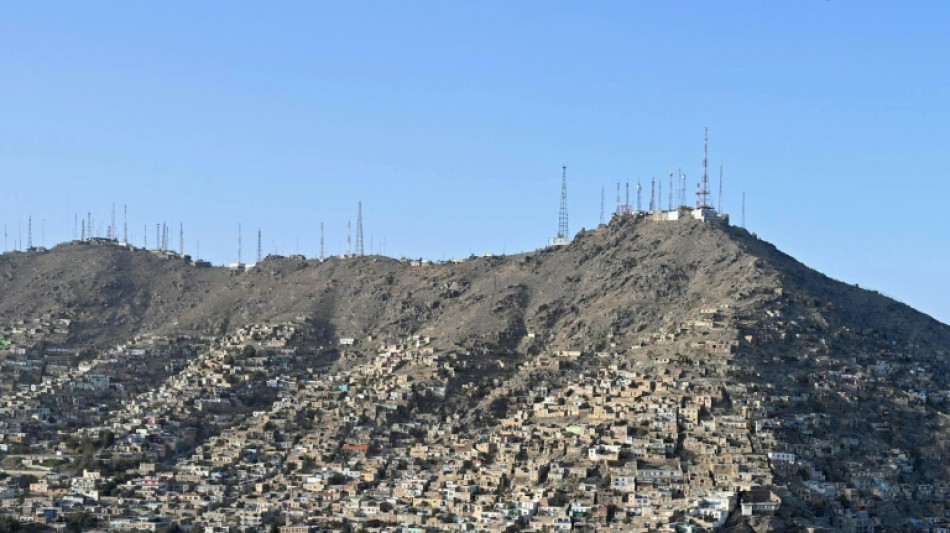
Taliban internet cut sparks Afghanistan telecoms blackout / Photo: Wakil KOHSAR - AFP

 Memoir by Diana's brother goes on sale after rocking UK monarchy
 Stocks climb as oil slides, AI buzz returns

 MEXC Launches “Real Stocks, Real Friends” with Rewards for Bringing Friends to Wall Street

 Stocks rise on AI buzz, oil prices cool
 In Bangladesh, Pakistan's Jinnah photo stirs anger

 China's robot dancers limber up for America's Got Talent final

 Green policies just good politics, says UK minister

 El Nino weather pattern enters record territory: scientist
 US networks halt Trump coverage in revolt over White House ban

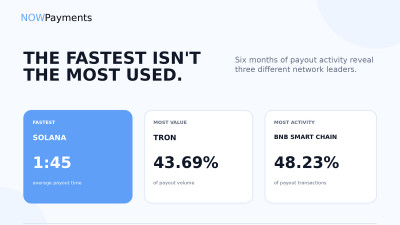 NOWPayments Releases Cross-Chain Payout Data Revealing Key Performance Benchmarks Across TRON, BNB Chain, and Solana

 COP31 host says AI climate footprint to be a summit priority

 Global stocks rally on lower oil prices, US-China hopes
 Spanish PM says unregulated AI could be 'devastating'

 From Korean Chipmakers to Leveraged Semiconductor ETFs: STARTRADER Launches 49 New 24/7 Stock and ETF CFDs
 Asia stocks rise on AI, US-China trade talks optimism

 France's Macron, Canada's Carney announce closer ties

 AI 'warning shots' focus Beijing on national security risks

 Philippine tribe in limbo over US-led tech hub

 Saudi-led coalition says Houthis fired ballistic missile at Riyadh

 Cuba works to restore power after another blackout

 Brigitte Bardot widower slams sale of star's belongings

 Indonesia accepts Malaysia's help to tackle wildfires
 Nvidia, OpenAI CEOs to attend Xi dinner at White House

 Cuba hit with seventh major blackout of the year

 Nigeria miners struggled to breathe in cell before 37 died: survivors

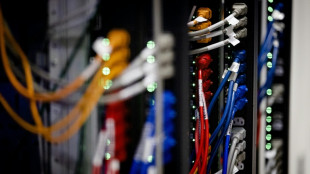
Afghanistan faced a second day without internet and mobile phone service on Tuesday, after Taliban authorities cut the fibre optic network.
The government began shutting down high speed internet connections to some provinces earlier in the month to prevent "vice" on the orders of shadowy supreme leader Hibatullah Akhundzada.
On Monday night, mobile phone signal and internet service gradually weakened nationwide until connectivity was less than one percent of ordinary levels, according to internet watchdog NetBlocks.
It is the first time since the Taliban government won their insurgency in 2021 and imposed a strict version of Islamic law that communications have been shut down in the country.
"We are blind without phones and internet," said 42-year-old shopkeeper Najibullah in Kabul.
"All our business relies on mobiles. The deliveries are with mobiles. It's like a holiday, everyone is at home. The market is totally frozen."
In the minutes before it happened, a government official warned AFP that the fibre optic network would be cut, affecting mobile phone services too.
"Eight to nine thousand telecommunications pillars" would be shut down, he said, adding that the blackout would last "until further notice".
"There isn't any other way or system to communicate... the banking sector, customs, everything across the country will be affected," said the official who asked not to be named.
The Taliban leader reportedly ignored warnings from some officials earlier this month about the economic fallout of cutting the internet and ordered authorities to press ahead with a nationwide ban.
- Radio communications -
Diplomatic sources told AFP on Tuesday that mobile networks were mostly shut down.
A UN source meanwhile said "operations are severely impacted, falling back to radio communications and limited satellite links".
Telephone services are often routed over the internet, sharing the same fibre optic lines, especially in countries with limited telecoms infrastructure.
Over the past weeks, internet connections have been extremely slow or intermittent.
On September 16, Balkh provincial spokesman Attaullah Zaid said the ban had come from the Taliban leader's orders.
"This measure was taken to prevent vice, and alternative options will be put in place across the country to meet connectivity needs," he wrote on social media.
At the time, AFP correspondents reported the same restrictions in the northern provinces of Badakhshan and Takhar, as well as in Kandahar, Helmand, Nangarhar and Uruzgan in the south.
Netblocks, a watchdog organisation that monitors cybersecurity and internet governance, said the blackout "appears consistent with the intentional disconnection of service".
AFP lost all contact with its bureau in the capital Kabul at around 5:45 pm (1315 GMT) on Monday.
"Because of the shutdown, I'm totally disconnected with my family in Kabul," a 40-year-old Afghan living in Oman told AFP via text message, asking not to be named.
"I don't know what's happening, I'm really worried."
In 2024, Kabul had touted the 9,350-kilometre (5,800-mile) fibre optic network -- largely built by former US-backed governments -- as a "priority" to bring the country closer to the rest of the world and lift it out of poverty.
M.Davis--CPN