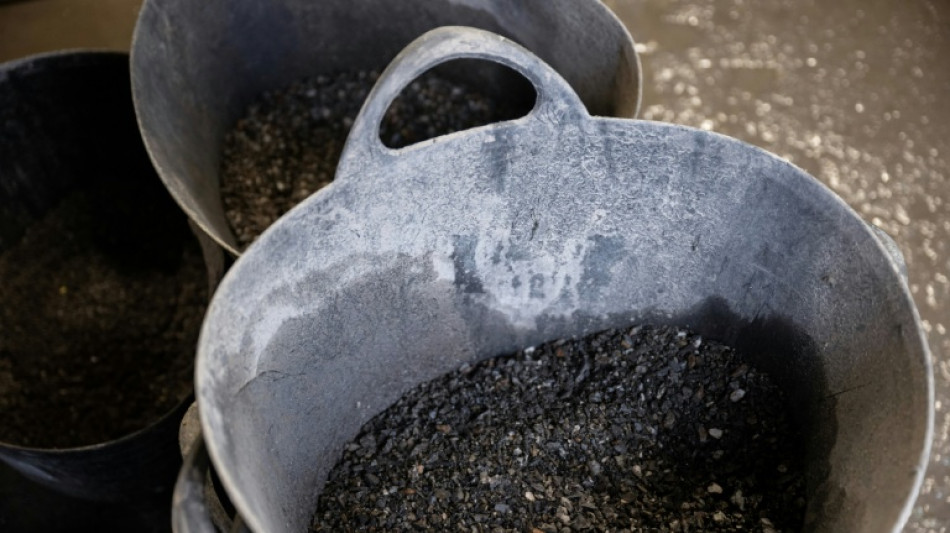
Canada's Indigenous wary of mining push in rich 'Ring of Fire' / Photo: Oli SCARFF - AFP/File

 Typhoon Dujuan leaves four dead in Japan, 45,000 houses without power
 Stocks rise on AI buzz, drop in oil prices

 UK king braces as memoir by Diana's brother goes on sale
 Infantino proposes consulting federations to reform FIFA
 South Africa arrests three more suspects, after nine women murdered
 Paramount settles with US states to clear Warner Bros. mega-merger
 Climate crisis a job for world leaders, not just activists: UK FM
 COP31 host says AI's climate footprint to be a summit priority
 EU proposes energy rating for data centres

 TradersYard Shifts Focus to Futures Trading

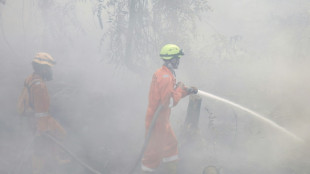 Indonesia doing 'everything' but struggling to curb fires
 FQ-42 Vengeance Finds New Home at Creech Air Force Base
 Multi-Asset Trading Venue Monochrome Exchange Announces IEO of Its Native Token, $MCR

 Data centre command hub keeps AI up and running
 Leo XIV, first US pope transcends his restrained style
 France's debt climbs to highest since 1978: ministry
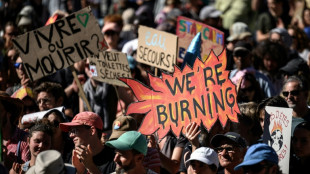 Thousands protest inaction over climate crisis in Switzerland

 UK actor Naomi Watts honoured at Spain film festival

 Trump signs bill authorizing sweeping Russia sanctions

 Anthropic picks Accenture for in-house AI safety evaluation

 Hushing and hedging: US companies retreat on climate

 Crisis-wracked Volkswagen warns of 10-bn-euro hit to profits

 Shakira to cap off world tour with Madrid 12-gig run

 Isolated Syrian-Druze city shortages

 UNESCO can be 'moderator' in AI debate: chief to AFP

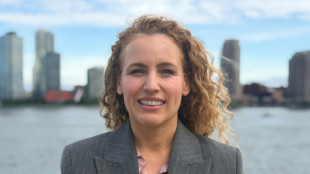
Growing up in northern Canada, Sol Mamakwa said his Indigenous community knew their land held valuable minerals, but he didn't understand the scale of the potential riches until later in life.
"My grandparents, my parents, always said there will come a day when governments, settlers, will want access to these lands because of the minerals," Mamakwa, an opposition member of Ontario's provincial parliament, told AFP.
"It wasn't until I got into politics that I started to understand what the Ring of Fire actually means," he said.
The so-called "Ring of Fire" is a crescent-shaped stretch of territory in northern Ontario's James Bay lowlands, about 1,000 kilometers (620 miles) north of Toronto, believed to contain large quantities of the critical minerals needed to power new technologies, including electric vehicle batteries.
The area likely holds substantial deposits of chromite, nickel, copper and platinum group metals -- minerals needed for products like cell phones and computers.
Mining companies have been eyeing the Ring of Fire for years, but large-scale extraction in the remote area has not begun and would require major infrastructure spending, from new roads to logistics hubs.
Pressure to get started has surged since US President Donald Trump returned to office.
Trump's trade war and annexation threats have forced new discussion about Canadian sovereignty -- and the assets the country can tap to make it a global energy force, less reliant on trade with the United States.
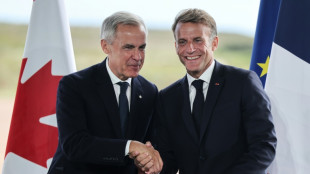
Prime Minister Mark Carney this week reaffirmed his view that US-Canada relations will not return to a pre-Trump normal.
"We recognize what's going on. This is not a transition. This is a rupture," Carney said, listing critical minerals as one of the resources that can bolster Canadian economic might.
"We are top five in 10 of the world's most important critical minerals. Forty percent of the world's listed mining companies are in Canada," the prime minister told the Council on Foreign Relations.
Carney has named exploiting the Ring of Fire as one of the strategic projects his Liberal government would back to super-charge a Trump-threatened economy.
Ontario Premier Doug Ford, who has emerged as a national cheerleader in response to Trump, has also vowed to fast-track Ring of Fire infrastructure -- to "protect" the province from Washington.
Ford has said he was "ready to jump on the bulldozer" himself to build a road.
- Tariff 'excuse' -
Experts from Ontario's Western University in an article this month warned against underestimating the challenges ahead, including "opposition to new mining and infrastructure projects, particularly from some Indigenous communities."
Mamakwa was born in Sioux Lookout, which falls outside the Ring of Fire, but could be a logistical base if mining ramps up.
His provincial constituency, an area roughly the size of Italy, includes the mineral-rich crescent and the First Nations around it.
He told AFP he resents how the federal and provincial governments have used the "tariff war as an excuse to access our land."
Different First Nations have varying views about mining projects, but Mamakwa noted that none have been jarred by Trump's rhetoric.
"Threats of annexation," he said, "are not new to First Nations people... Welcome to the club."
Carney and Ford have promised mining projects will include broad Indigenous consultation and shared profits.
Mamakwa said his constituents could be brought on board but were growing concerned officials will charge forward, regardless of their consent.
"It's going to come to a head where they will have to use police to get us out of the way," he said.
- 'Dominant player' -
Wyatt Bain, an economic geology expert at Western University, told AFP Canada could become a "dominant player" in critical mineral supply, offering a counterweight to China, and a vital supplier for the United States.
In the Ring of Fire "the economics look really good," and the daunting infrastructure challenges can be overcome, he said.
But ensuring Indigenous support was essential, both to get projects launched and ensure they are durable.
"For a long time, Indigenous nations simply did not have a seat at the table," Bain said.
S.F.Lacroix--CPN