
Amazon faces US trial over alleged Prime subscription tricks / Photo: Patrick T. Fallon - AFP

 Typhoon Dujuan leaves four dead in Japan, 45,000 houses without power

 Stocks rise on AI buzz, drop in oil prices

 UK king braces as memoir by Diana's brother goes on sale
 Infantino proposes consulting federations to reform FIFA

 South Africa arrests three more suspects, after nine women murdered
 Paramount settles with US states to clear Warner Bros. mega-merger
 Climate crisis a job for world leaders, not just activists: UK FM
 COP31 host says AI's climate footprint to be a summit priority
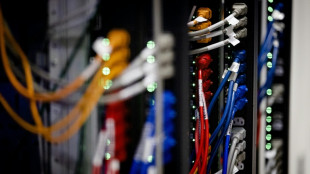 EU proposes energy rating for data centres

 TradersYard Shifts Focus to Futures Trading

 Indonesia doing 'everything' but struggling to curb fires
 FQ-42 Vengeance Finds New Home at Creech Air Force Base

 Multi-Asset Trading Venue Monochrome Exchange Announces IEO of Its Native Token, $MCR

 Data centre command hub keeps AI up and running

 Leo XIV, first US pope transcends his restrained style

 France's debt climbs to highest since 1978: ministry

 Thousands protest inaction over climate crisis in Switzerland

 UK actor Naomi Watts honoured at Spain film festival

 Trump signs bill authorizing sweeping Russia sanctions

 Anthropic picks Accenture for in-house AI safety evaluation

 Hushing and hedging: US companies retreat on climate

 Crisis-wracked Volkswagen warns of 10-bn-euro hit to profits

 Shakira to cap off world tour with Madrid 12-gig run

 Isolated Syrian-Druze city shortages

 UNESCO can be 'moderator' in AI debate: chief to AFP

Amazon goes to trial on Monday in a US government lawsuit that accuses the e-commerce giant of using tricks to enroll millions of customers in its Prime subscription service and then making it nearly impossible to cancel.
The Federal Trade Commission's complaint, filed in June 2023, alleges that Amazon knowingly used designs known as "dark patterns" to trick consumers into signing up for the $139-per-year Prime service during checkouts.
The case centers on two main allegations: that Amazon enrolled customers without clear consent through confusing checkout processes, and that it created a deliberately complex cancellation system internally nicknamed "Iliad" — after Homer's epic about the long, arduous Trojan War.
The case will be heard in a federal court in Seattle by Judge John Chun, who is also presiding over a separate FTC case that accuses Amazon of running an illegal monopoly, due to go to trial in 2027.
The cases are part of a volley of lawsuits launched against the big tech companies in recent years in a bipartisan effort to rein in the power of the US tech giants after years of government complacency.
According to court documents, Amazon was aware of widespread "nonconsensual enrollment" in Prime but resisted changes that would reduce these unwanted sign-ups because they negatively affected the company's revenue.
The FTC alleges that Amazon's checkout process forced customers to navigate confusing interfaces where declining Prime membership required finding small, inconspicuous links while signing up for the service was through prominent buttons.
Crucial information about Prime's price and automatic renewal was often hidden or disclosed in fine print, the FTC also alleges.
"For years, Amazon has knowingly duped millions of consumers into unknowingly enrolling in its Amazon Prime service," the original complaint states.
The service has become central to Amazon's business model, with Prime subscribers spending significantly more on the platform than non-members.
The lawsuit also targets Amazon's cancellation process, which required customers to navigate what the FTC describes as a "labyrinthine" four-page, six-click, fifteen-option process to cancel their membership.
The FTC is seeking penalties, monetary relief, and permanent injunctions requiring the company to change its practices.
The case in part relies on ROSCA, legislation that came into force in 2010 that specifically prohibits charging consumers for internet services without clear disclosure of terms, obtaining express consent, and providing simple cancellation mechanisms.
The FTC alleges Amazon violated these requirements by failing to clearly disclose Prime's terms before collecting billing information and by not obtaining genuine informed consent before charging customers.
Amazon's defense strategy will focus heavily on arguing that ROSCA and other regulations don't specifically prohibit the practices in question and that the FTC is stretching the law.
The company has also argued that it made improvements to its Prime enrollment and cancellation processes and that the allegations are out of date.
The jury trial is expected to last about four weeks and will largely rely on internal Amazon communications and documents as well as Amazon executives and expert witnesses.
If the FTC prevails, Amazon could face substantial financial penalties and be required to overhaul its subscription practices under court supervision.
U.Ndiaye--CPN