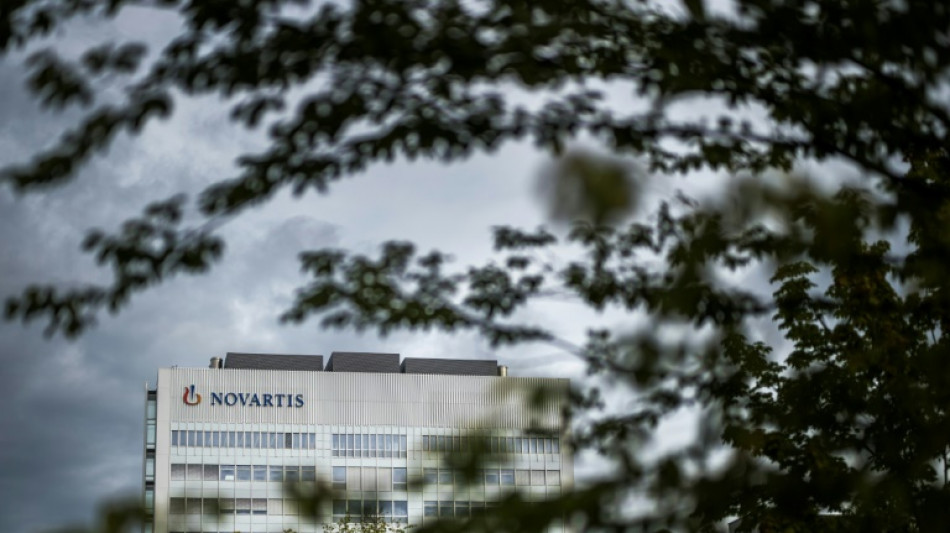
Novartis chief eyes ways to end higher US drug prices: media / Photo: Fabrice COFFRINI - AFP

 Typhoon Dujuan leaves four dead in Japan, 45,000 houses without power

 Stocks rise on AI buzz, drop in oil prices

 UK king braces as memoir by Diana's brother goes on sale
 Infantino proposes consulting federations to reform FIFA
 South Africa arrests three more suspects, after nine women murdered
 Paramount settles with US states to clear Warner Bros. mega-merger
 Climate crisis a job for world leaders, not just activists: UK FM
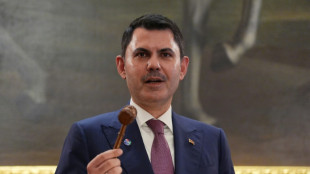
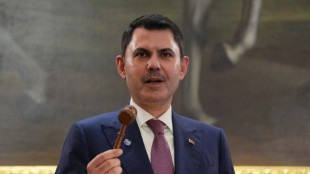 COP31 host says AI's climate footprint to be a summit priority

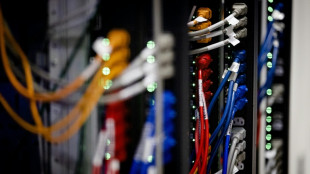 EU proposes energy rating for data centres

 TradersYard Shifts Focus to Futures Trading

 Indonesia doing 'everything' but struggling to curb fires

 FQ-42 Vengeance Finds New Home at Creech Air Force Base
 Multi-Asset Trading Venue Monochrome Exchange Announces IEO of Its Native Token, $MCR

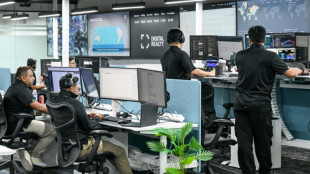 Data centre command hub keeps AI up and running

 Leo XIV, first US pope transcends his restrained style

 France's debt climbs to highest since 1978: ministry

 Thousands protest inaction over climate crisis in Switzerland

 UK actor Naomi Watts honoured at Spain film festival

 Trump signs bill authorizing sweeping Russia sanctions
 Anthropic picks Accenture for in-house AI safety evaluation

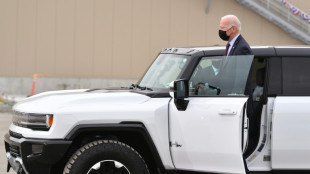 Hushing and hedging: US companies retreat on climate

 Crisis-wracked Volkswagen warns of 10-bn-euro hit to profits

 Shakira to cap off world tour with Madrid 12-gig run

 Isolated Syrian-Druze city shortages

 UNESCO can be 'moderator' in AI debate: chief to AFP

Amid a threat of towering US tariffs, Swiss pharmaceutical giant Novartis is seeking ways to enable Americans to pay less for their medicines, its chief said in an interview published Saturday.
Vasant Narasimhan told the Swiss daily Neue Zurcher Zeitung (NZZ) that his company was "working to eliminate the price gap between the US and other industrialised countries".
"We are working with the government and trying to find constructive solutions so that Americans pay less for their medicines," he told the Swiss daily.
While pharmaceutical products have been spared so far from the tariffs Washington has slapped on its trading partners, US President Donald Trump has threatened to hit the entire sector with tariffs of as much as 250 percent if drug prices do not drop.
Narasimhan suggested it made sense to bring down US prices.
"It is a fact that American patients pay for a large part of the innovations," he acknowledged to the NZZ, insisting that "countries outside the US will have to contribute a larger share in the future".
Pharmaceutical companies are meanwhile facing massive pressure from the Trump administration to move production to the United States.
Novartis already announced in April that it plans to invest $23 billion in the United States over five years.
The goal was "to manufacture the most important products for the American market locally", he said, adding that it would "probably take three to four years to get there".
But he estimated the company could "make significant shifts within the next two years", including carrying out some of the final filling and packaging in the United States.
These efforts, he said, should allow Novartis to weather the situation if pharmaceuticals are hit with the same tariffs Washington has already slapped on other exports from the European countries where it has most of its production.
Washington is currently taxing imports from the EU at 15 percent and from Switzerland at 39 percent.
Novartis's rapid US expansion "should allow us to fully mitigate any tariffs", Narasimhan said.
The company was "more concerned about the tariffs for the entire industry", he acknowledged.
Narasimhan said he was not worried about finding enough workers to staff Novartis's new US factories, anticipating that massive pharmaceutical industry investment pledges would boost the US education system to turn out more specialists.
He added that many pharmaceutical factory processes were "fully automated".
"We only need a total of 1,000 to 1,500 additional workers to operate our planned new factories in the US," he said.
"That's manageable."
H.Cho--CPN