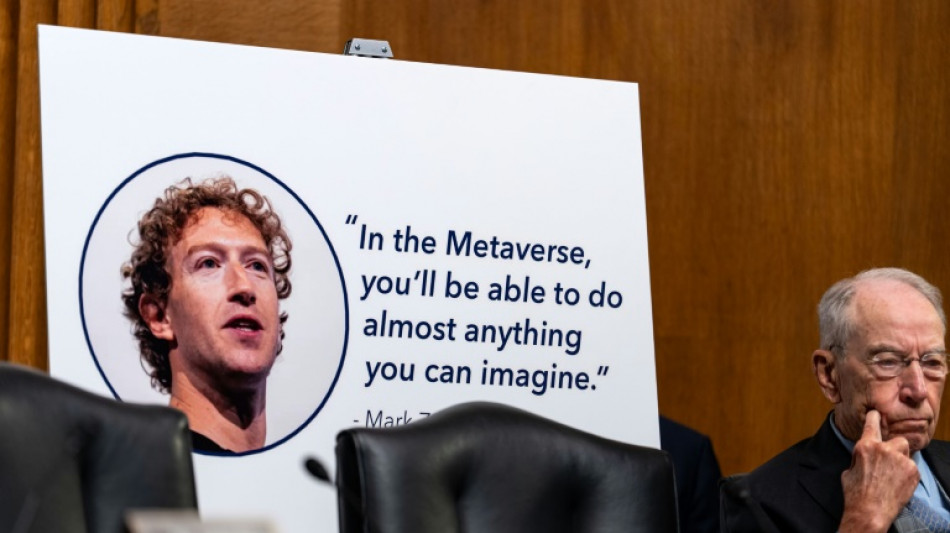
Meta expands AI glasses line in a bet on the future / Photo: Kent Nishimura - GETTY IMAGES NORTH AMERICA/AFP

 Oil falls, stocks steady as Trump hails 'good' Iran talks

 Canada judge to decide prison term for suicide poison seller

 Meta leans into AI, smart glasses amid privacy pushback

 Oil prices fall after Trump hails 'good' talks with Iran

 AI political ads warp reality ahead of US midterms

 Chile's Atacama Desert blossoms with life after El Nino rains
 Drug cocktail killed former child star Hayden Panettiere: coroner

 Trump rejects international regulation of AI

 Oil prices slide, AI stock buzz fades

 Quoin Pharmaceuticals Announces FDA Fast Track Designation for QRX003 for the Treatment of Peeling Skin Syndrome

 Tunisia says 2026 summer hottest on record

 Houthis accuse Saudi Arabia of deadly strikes as thousands flee

 STARTRADER Expands Its Chinese Equity CFD Range with CXMT and Unitree Robotics

 MEXC Expands Opportunity Compass with Stock Trading Handbook to Help Crypto Users Build Investment Knowledge

 Typhoon Dujuan leaves four dead in Japan, 45,000 houses without power

 Stocks rise on AI buzz, drop in oil prices

 UK king braces as memoir by Diana's brother goes on sale

 Infantino proposes consulting federations to reform FIFA

 South Africa arrests three more suspects, after nine women murdered

 Paramount settles with US states to clear Warner Bros. mega-merger
 Climate crisis a job for world leaders, not just activists: UK FM

 COP31 host says AI's climate footprint to be a summit priority

 EU proposes energy rating for data centres

 TradersYard Shifts Focus to Futures Trading

 Indonesia doing 'everything' but struggling to curb fires

Meta showed off new smart glasses on Wednesday as it continued to bank on a lifestyle shift toward blending reality and virtual space despite the efforts inflicting heavy financial losses.
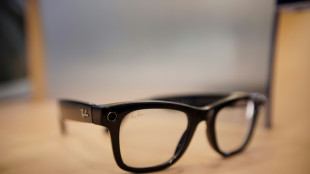
Announcements included the debut of Meta Ray-Ban Display smart glasses that have built-in screens that allow wearers to see messages, photos and more as though looking at a smartphone screen.
Billed as Meta's most advance AI glasses, Ray-Ban Display comes with sensor-packed bracelets called neural bands that let people control the eyewear with subtle finger movements, and are priced at $799.
"Our goal is to build great-looking glasses that deliver personal superintelligence and a feeling of presence using realistic holograms," Meta chief executive Mark Zuckerberg said as he showed off new AI glasses at the tech firm's annual developers conference.
"These ideas combined are what we call the metaverse."
Facebook-parent Meta's chief has predicted that AI-infused smart glasses will be the "next major computing platform," eventually providing access to "superintelligence" and replacing the smartphone.
The tech titan began investing heavily in virtual reality and the metaverse about four years ago, with Zuckerberg changing the company's name from Facebook to Meta in late 2021 to reflect the strategy change.
But Reality Labs -- Meta's virtual and augmented reality unit -- has consistently posted big losses.
The unit lost $4.5 billion in the second quarter of this year on revenue of just $370 million, highlighting ongoing challenges in the metaverse business.
"There's no realistic chance that smart glasses sales make this division profitable in the short term," CCS Insight principal analyst Leo Gebbie said of Reality Labs while at the Meta event.
"Instead, this is about playing the long-term game to break free from smartphones, where Meta has been throttled by rivals Apple and Google, and to control its own destiny in wearables."
Smart glasses have seemed on the horizon for more than a decade, when Google's Glass headset and camera released in 2013 -- although it has since been discontinued.
Meta has encountered more success with its frames developed alongside Ray-Ban, offering features including a built-in camera, music playback and voice interactions with the company's AI.
The global smart glasses market was estimated at nearly $2 billion last year and is projected to reach $8.26 billion annually by the end of the decade, according to analytics firm Grand View Research.
P.Kolisnyk--CPN