
Europe slow to match economic rivals US, China: Draghi / Photo: Ina FASSBENDER - AFP/File

 Blueberry Strengthens MENA Presence with CMA Category 5 License and Dubai Office Launch
 In first, French presidential candidate gives birth during campaign

 A Full Moon for Every Child: STARTRADER's STARCARES Brings Support to SOS Children's Village Ho Chi Minh City

 Mongolian herders enlist new tech against harsher, drier climate
 Tata turmoil shines light on India succession woes
 OMP and PwC Alliance Moves Process Manufacturers from Siloed Supply Chain Planning to Unified Decisions
 Chile's Atacama Desert blossoms with life after El Nino rains

 Drug cocktail killed former child star Hayden Panettiere: coroner
 Trump rejects international regulation of AI
 Oil prices slide, AI stock buzz fades

 Quoin Pharmaceuticals Announces FDA Fast Track Designation for QRX003 for the Treatment of Peeling Skin Syndrome

 Tunisia says 2026 summer hottest on record

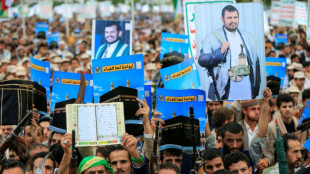 Houthis accuse Saudi Arabia of deadly strikes as thousands flee

 STARTRADER Expands Its Chinese Equity CFD Range with CXMT and Unitree Robotics

 MEXC Expands Opportunity Compass with Stock Trading Handbook to Help Crypto Users Build Investment Knowledge

 Typhoon Dujuan leaves four dead in Japan, 45,000 houses without power

 Stocks rise on AI buzz, drop in oil prices

 UK king braces as memoir by Diana's brother goes on sale

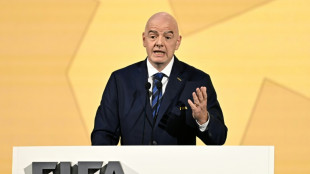 Infantino proposes consulting federations to reform FIFA

 South Africa arrests three more suspects, after nine women murdered
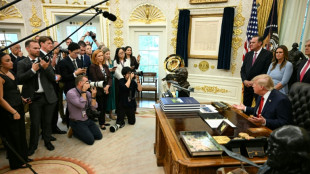
 Paramount settles with US states to clear Warner Bros. mega-merger
 Climate crisis a job for world leaders, not just activists: UK FM
 COP31 host says AI's climate footprint to be a summit priority

 EU proposes energy rating for data centres

 TradersYard Shifts Focus to Futures Trading

The European Union is "failing to match the speed of change" in the United States and China and must act urgently on economic reforms to avoid falling further behind, a key report's author said Tuesday.
One year after former European Central Bank chief Mario Draghi delivered stark warnings -- and hundreds of recommendations -- in a milestone 400-page report for the bloc, he urged Europe to break its "complacency".
While Draghi welcomed the EU executive's push on competitiveness, which Brussels has made its top priority along with defence, he said citizens were "disappointed by how slowly the EU moves."
"They see us failing to match the speed of change elsewhere," said Draghi, a former Italian prime minister.
"Competitors in the US and China are far less constrained, even when acting within the law," he said during a conference in Brussels, warning not to blame "inertia" on the complexities of European policymaking.
"That is complacency," he said, warning Europe needed to deliver "results within months, not years".
- 'Mixed' progress -
One year on, the challenges Europe faces have only grown more acute, Draghi warned, with the global trade order shifting since the arrival of US President Donald Trump in January.
Trade tensions, high public debt among EU countries and the exposure of Europe's high dependencies on other countries have reminded the bloc, "painfully, that inaction threatens not only our competitiveness but our sovereignty itself," he said.
The data, according to one Brussels-based think tank, demonstrates just how much more the EU needs to do to heed Draghi's call.
Of his 383 recommendations, only around 11 percent have been fully implemented while around 20 percent have been partially fulfilled, the European Policy Innovation Council found.
"Overall progress is mixed -- no game changers, but some substantial reforms," Deutsche Bank's Marion Muehlberger and Ursula Walther wrote in a note this month.
The EU has, however, advanced on defence.
Pointing to the threat posed by Russia, the bloc has launched a collective rearmament effort. Last week, the European Commission allocated 150 billion euros ($178 billion) in loans for defence to 19 EU nations.
- Internal EU strife -
Speaking before Draghi, EU chief Ursula von der Leyen also said the 27-country bloc had to act faster while defending her record thus far.
She pointed to steps taken by Brussels on artificial intelligence, higher defence spending and cutting red tape to make life easier for companies.
"We will relentlessly stay the course until we get all of it done," she said.
Europe has notably established a common platform to secure supplies of critical raw materials and poured billions into developing AI initiatives.
On the latter front, however, Draghi called for a pause in applying EU rules on AI on high-risk systems.
"Implementation of this stage should be paused until we better understand the drawbacks," he said, echoing a similar call made by dozens of European companies in July.
Von der Leyen meanwhile took a swipe at the European Parliament, suggesting it was moving too slowly on approving the commission's push to cut administrative burdens.
"We need urgent action to face urgent needs, because our companies and workers can no longer wait," she said.
Deutsche Bank said the measures to slash red tape could save European companies around nine billion euros annually.
Ng.A.Adebayo--CPN