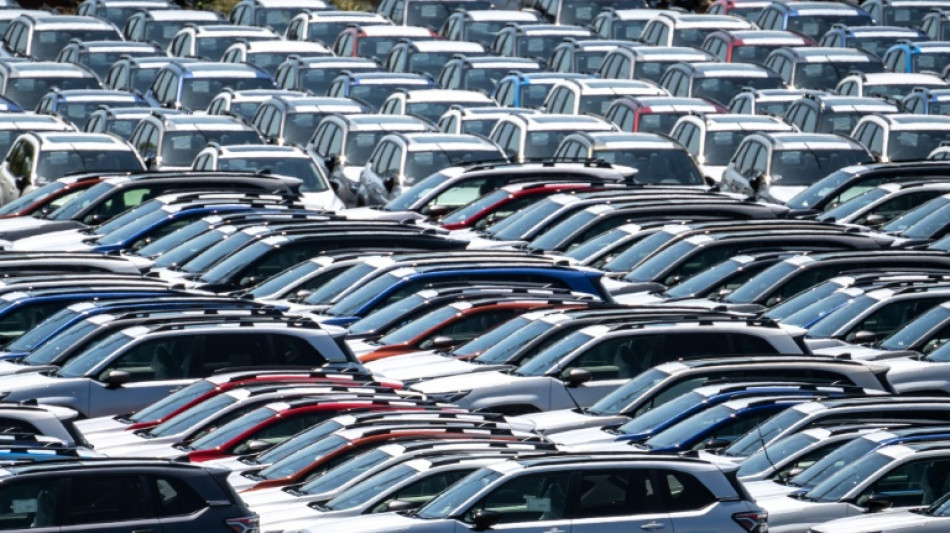
Lower US tariffs on Japan autos kick in / Photo: Philip FONG - AFP/File

 Blueberry Strengthens MENA Presence with CMA Category 5 License and Dubai Office Launch
 In first, French presidential candidate gives birth during campaign

 A Full Moon for Every Child: STARTRADER's STARCARES Brings Support to SOS Children's Village Ho Chi Minh City
 Mongolian herders enlist new tech against harsher, drier climate
 Tata turmoil shines light on India succession woes
 OMP and PwC Alliance Moves Process Manufacturers from Siloed Supply Chain Planning to Unified Decisions
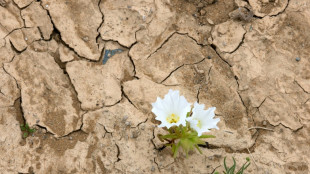 Chile's Atacama Desert blossoms with life after El Nino rains
 Drug cocktail killed former child star Hayden Panettiere: coroner
 Trump rejects international regulation of AI
 Oil prices slide, AI stock buzz fades

 Quoin Pharmaceuticals Announces FDA Fast Track Designation for QRX003 for the Treatment of Peeling Skin Syndrome
 Tunisia says 2026 summer hottest on record

 Houthis accuse Saudi Arabia of deadly strikes as thousands flee
 STARTRADER Expands Its Chinese Equity CFD Range with CXMT and Unitree Robotics

 MEXC Expands Opportunity Compass with Stock Trading Handbook to Help Crypto Users Build Investment Knowledge
 Typhoon Dujuan leaves four dead in Japan, 45,000 houses without power

 Stocks rise on AI buzz, drop in oil prices

 UK king braces as memoir by Diana's brother goes on sale

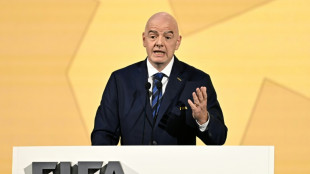 Infantino proposes consulting federations to reform FIFA
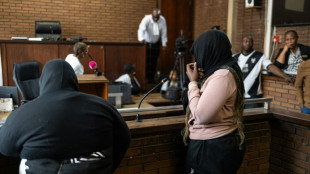 South Africa arrests three more suspects, after nine women murdered
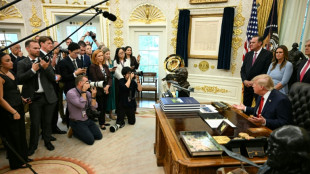
 Paramount settles with US states to clear Warner Bros. mega-merger
 Climate crisis a job for world leaders, not just activists: UK FM
 COP31 host says AI's climate footprint to be a summit priority
 EU proposes energy rating for data centres

 TradersYard Shifts Focus to Futures Trading

Lower US tariffs on Japanese autos kicked in on Tuesday, as a relieved Tokyo welcomed the implementation of a trade pact negotiated with Washington.
As of 1.01 pm (0401 GMT), Japanese cars entering the United States face a 15 percent tariff instead of 27.5 percent, providing manufacturers some reprieve from the hefty duties imposed by President Donald Trump earlier this year.
"The government welcomes US efforts this time towards the steady implementation of the July 22 Japan-US deal," chief government spokesman Yoshimasa Hayashi told reporters.
While the outcome marked a win for Japan, the levies will still cause huge pain for the nation's industries, with car titan Toyota telling AFP in a statement that it hoped they could be lowered further.
"We hope that the environment surrounding the automotive industries of both Japan and the United States will continue to improve going forward, based on open and free trade, including further tariff reductions," the firm said.
Japanese business lobbies also said they wanted Tokyo to push on with tariff negotiations.
Since returning to the presidency in January, Trump has targeted specific sectors with stiff tolls, with imported automobiles and parts hit with a 25 percent duty.
This dealt a blow to Japanese automakers, who already faced a 2.5 percent tariff.
For goods falling outside specifically targeted sectors, Trump has also imposed a separate 10 percent tax on imports from nearly all trading partners.
That rate was hiked again in August to various higher levels for goods from dozens of economies, including the European Union and Japan.
The move left Japanese products facing a 15 percent tariff that was tacked onto existing duties for many goods.
While the two countries initially unveiled a trade pact in July, they appeared to diverge in their understanding of its details, such as whether the duties would generally stack on existing tariffs for certain products.
Japan's tariffs envoy Ryosei Akazawa previously told reporters that Washington was expected to revise the rule.
The new US order that took effect Tuesday sees a 15 percent tariff cap instead for many products, applying retroactively to August 7.
Under the terms of the US-Japan deal, Tokyo is also expected to make investments worth $550 billion in the United States, according to the White House.
Top Japanese power generation company JERA said last week it had signed an initial agreement aimed at buying liquified natural gas from a huge pipeline project in Alaska.
Y.Ibrahim--CPN