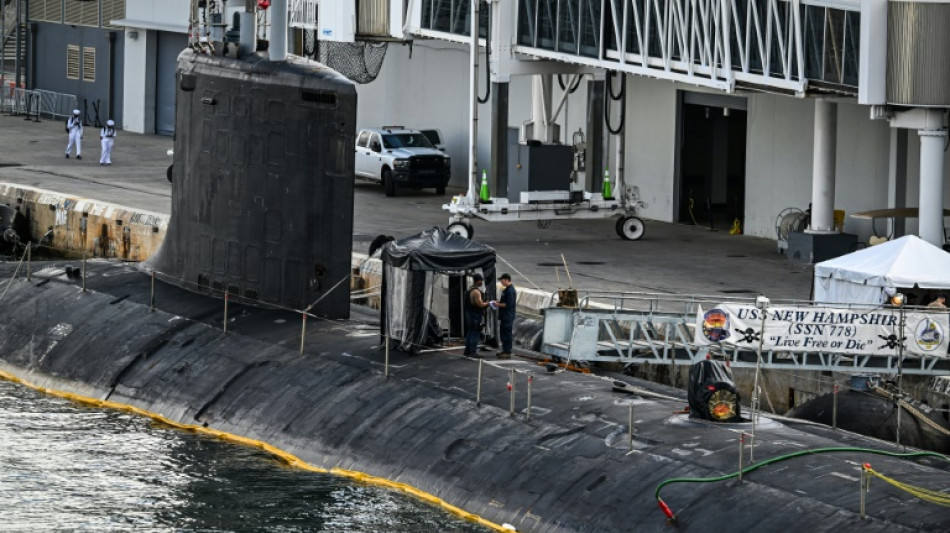
Australia to spend US$8 bn on nuclear sub shipyard facility / Photo: CHANDAN KHANNA - AFP

 Blueberry Strengthens MENA Presence with CMA Category 5 License and Dubai Office Launch
 In first, French presidential candidate gives birth during campaign

 A Full Moon for Every Child: STARTRADER's STARCARES Brings Support to SOS Children's Village Ho Chi Minh City

 Mongolian herders enlist new tech against harsher, drier climate
 Tata turmoil shines light on India succession woes
 OMP and PwC Alliance Moves Process Manufacturers from Siloed Supply Chain Planning to Unified Decisions
 Chile's Atacama Desert blossoms with life after El Nino rains
 Drug cocktail killed former child star Hayden Panettiere: coroner
 Trump rejects international regulation of AI
 Oil prices slide, AI stock buzz fades

 Quoin Pharmaceuticals Announces FDA Fast Track Designation for QRX003 for the Treatment of Peeling Skin Syndrome
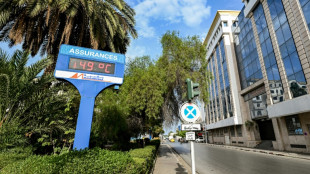 Tunisia says 2026 summer hottest on record

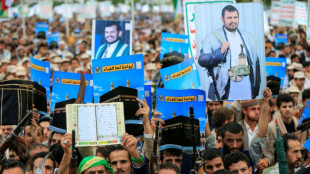 Houthis accuse Saudi Arabia of deadly strikes as thousands flee

 STARTRADER Expands Its Chinese Equity CFD Range with CXMT and Unitree Robotics

 MEXC Expands Opportunity Compass with Stock Trading Handbook to Help Crypto Users Build Investment Knowledge

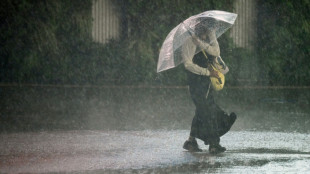 Typhoon Dujuan leaves four dead in Japan, 45,000 houses without power

 Stocks rise on AI buzz, drop in oil prices

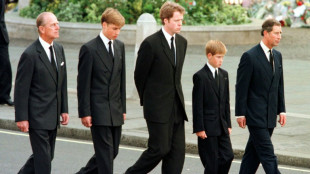 UK king braces as memoir by Diana's brother goes on sale

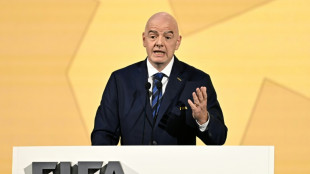 Infantino proposes consulting federations to reform FIFA
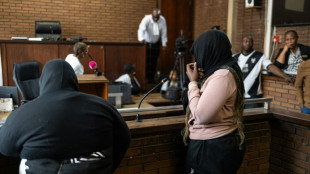 South Africa arrests three more suspects, after nine women murdered
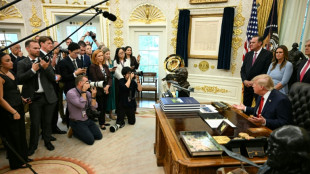
 Paramount settles with US states to clear Warner Bros. mega-merger
 Climate crisis a job for world leaders, not just activists: UK FM
 COP31 host says AI's climate footprint to be a summit priority
 EU proposes energy rating for data centres

 TradersYard Shifts Focus to Futures Trading

Australia will spend an initial Aus$12 billion (US$8 billion) to upgrade shipyard facilities for a future fleet of nuclear-powered submarines, the government said Sunday.
The "very significant" investment is to be spent over a decade to transform a shipbuilding and maintenance precinct in Perth, Western Australia, Defence Minister Richard Marles said.
The government is ploughing money into Perth's Henderson Defence Precinct after signing the 2021 AUKUS pact with Britain and the United States to arm its navy with nuclear-powered submarines.
The investment is part of a major military restructure to improve Australia's long-range strike capabilities in the face of China's expanding military strength across the Pacific.
Australia, which has no infrastructure to service nuclear-powered submarines, aims to acquire at least three US Virginia-class submarines within 15 years and eventually to manufacture its own subs.
"Henderson is a key piece of the AUKUS story and from that point of view it will be welcomed in the US, as it will be welcomed in the United Kingdom, for sure," Marles told Australia's Sky News.
"But this is about what Australia needs to do in order to meet its strategic moment."
The investment will equip Henderson with high-security dry docks to maintain nuclear-powered submarines, as well as creating facilities to build landing craft and eventually Japanese Mogami-class frigates, Marles said.
The United States is also expected to use shipyard maintenance of its own nuclear-powered submarines, he said.
- 'Positivity' on defence pact -
Total costs to develop the Henderson Defence Precinct could eventually reach an estimated Aus$25 billion, the minister said.
The shipyard expansion is the latest in a string of high-profile Australian defence upgrades.
Australia announced in August it would equip its navy with 11 Mogami-class frigates built by Japan's Mitsubishi Heavy Industries.
Australia will pay Aus$10 billion over the next 10 years to acquire the stealth frigates as it aims to expand its fleet of major warships from 11 to 26 over the next decade.
The first three Mogami-class frigates will be built overseas, but Australia hopes to produce the rest in Western Australia.
Last week, the Australian government said it would deploy a Aus$1.7 billion fleet of "Ghost Shark" underwater attack drones, with the first expected to enter service in January.
Questions have been raised about the AUKUS submarine programme, which lies at the heart of Australia's defence strategy and could cost up to US$235 billion over 30 years, according to government forecasts.
US President Donald Trump's administration has put AUKUS under review to ensure it aligns with his "America First agenda", with some critics saying the United States does not produce enough nuclear-powered submarines to supply Australia as well as its own navy.
But Canberra is confident in the pact's future.
The Washington Post said US Secretary of State Marco Rubio had privately reassured Marles two weeks ago that AUKUS would proceed.
Marles declined to discuss the report.
But he told Australian public broadcaster ABC that in all his discussions with the Trump administration "there has been an enormous sense of positivity about the role that AUKUS can play for the United States".
The minister said his government had made extra defence spending commitments since May 2022 amounting to Aus$70 billion over the next decade, after including the latest shipyard investment.
M.P.Jacobs--CPN