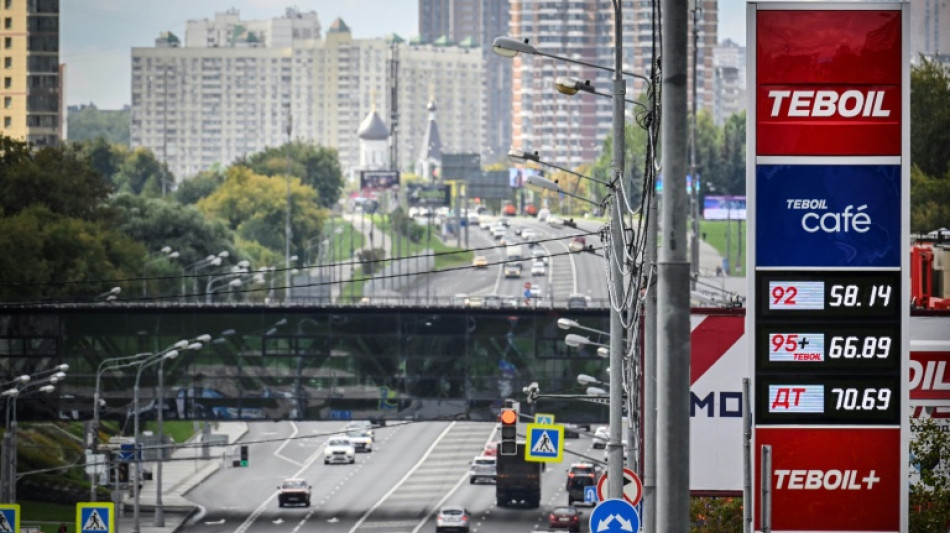
Ukraine's energy strikes hit Russians at the pump / Photo: Alexander NEMENOV - AFP

 Stocks dip, oil rises as traders eye chances of Iran deal

 Oil falls, stocks steady as Trump hails 'good' Iran talks

 Canada judge to decide prison term for suicide poison seller

 Meta leans into AI, smart glasses amid privacy pushback
 Oil prices fall after Trump hails 'good' talks with Iran

 AI political ads warp reality ahead of US midterms

 Oil prices retreat as markets welcome US-Iran talks

 French prosecutors probe secret filming of women with smart glasses

 Trump renames AI "super intelligence," rejects international oversight
 How is the EU approaching record fuel prices?

 11 hurt as teen opens fire outside school in western Turkey

 UN chief says 'Big Oil' treats atmosphere as open sewer
 Memoir by Diana's brother goes on sale after rocking UK monarchy

 Stocks climb as oil slides, AI buzz returns

 MEXC Launches “Real Stocks, Real Friends” with Rewards for Bringing Friends to Wall Street

 Stocks rise on AI buzz, oil prices cool
 In Bangladesh, Pakistan's Jinnah photo stirs anger

 China's robot dancers limber up for America's Got Talent final

 Green policies just good politics, says UK minister

 El Nino weather pattern enters record territory: scientist

 US networks halt Trump coverage in revolt over White House ban

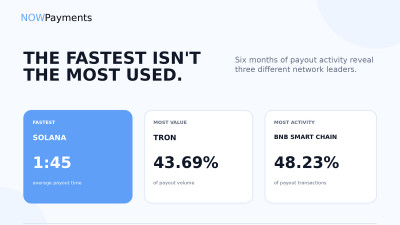 NOWPayments Releases Cross-Chain Payout Data Revealing Key Performance Benchmarks Across TRON, BNB Chain, and Solana

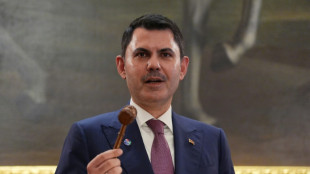 COP31 host says AI climate footprint to be a summit priority
 Global stocks rally on lower oil prices, US-China hopes

 Spanish PM says unregulated AI could be 'devastating'

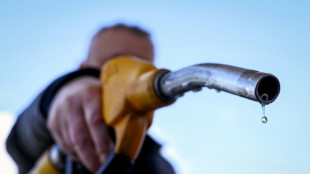
Watching the price tick higher as he filled up his car, Russian pensioner Oleg railed against the recent surge in petrol prices, pushed higher by Ukrainian strikes on Russia's oil infrastructure.
Kyiv has been targeting Russian refineries for months, calling the attacks fair retribution for Moscow's own barrages and an attempt to cut off energy revenues that fund Russia's army.
Over the summer, a wave of strikes hit processing capacity at several key facilities, pushing fuel prices higher and leading to shortages.
"Little-by-little, but very frequently, the price of fuel is going up. Everybody has noticed," Oleg, 62, told AFP.
Since ordering troops into Ukraine in February 2022, the Kremlin has tried to shelter Russians from the economic fallout of its offensive.
Sanctions have failed to deliver the killer blow the West had hoped.
But in one of the world's top oil producers, where consumers are used to paying much less for fuel than in Europe, price increases have many worried.
"Since the start of summer, even the start of the year, prices have been noticeably rising," said Artem, a 56-year-old who declined to give his last name.
"You know, for ordinary people, an extra 200 or 300 rubles ($2-3) starts to be felt," he added.
- 'Disruptions' -
While average salaries in Russia have risen strongly since the start of the conflict, they were still only around $1,000 a month in 2024.
And that has been matched by steep inflation, still running at more than eight percent, according to official statistics.
Wholesale prices for Russia's standard AI-95 fuel are close to a record high, according to market data.
At gas stations in Moscow, a litre costs 66 rubles ($0.77) -- up 6.7 percent so far this year.
Other regions are seeing shortages.
From the Far East to the Crimean peninsula, annexed by Moscow in 2014, social media has been flooded with videos of long queues at gas stations.
The pro-government Izvestia media outlet this week reported "supply disruptions" in more than 10 regions.
Ukrainian drone strikes have hit "major refineries in the European part of Russia -- in the Samara, Ryazan, Volgograd, Saratov, Rostov, Krasnodar and Komi regions," military blogger Alexander Kots reported on Telegram.
Last month Ukraine said it struck the Syzran refinery -- over 800 kilometres from the border and described by Kyiv as state oil giant Rosneft's "most significant" facility.
There are no official statistics on how much capacity has been taken offline, and state media do not typically report on successful Ukrainian attacks.
The Kommersant business daily quoted analyst Maxim Dyachenko as saying there has been a 10 percent drop in output.
- 'More expensive' -
The strikes have compounded the impact of seasonal maintenance shutdowns as well as higher demand from the agricultural sector and more people holidaying by car.
Some, like Alexander, do not accept Ukraine's attacks are to blame.
"One, two, three strikes. They can't affect the overall demand or prices," he told AFP.
Nevertheless, the Kremlin has been forced to respond, extending a ban on petrol exports.
That plays into Ukraine's hands, with Kyiv and the West seeking to cut Russia's energy revenues.
US President Donald Trump has already hit India with higher tariffs for its purchases of Russia's unrefined crude oil.
He is threatening the same to China and wants the EU to join him.
Given the geopolitical backdrop, Vladimir, a 50-year-old Muscovite, said he does not mind having to pay a bit extra at the pump.
"The country needs money," he told AFP. "Rising gas prices are a way to increase the state's revenue."
Y.Uduike--CPN