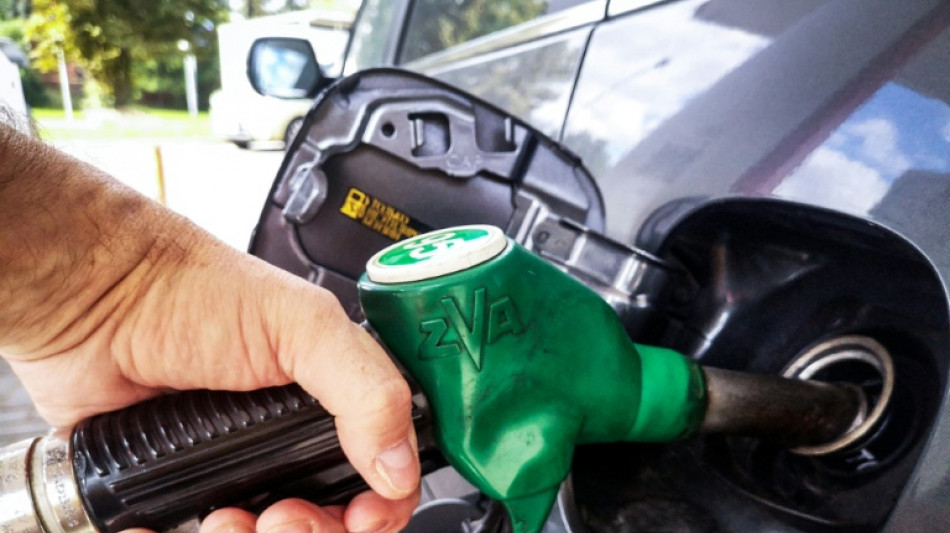
Fossil energy 'significant' driver of climate-fuelled heatwaves: study / Photo: Alexander NEMENOV - AFP/File

 أليكس بودي والبروفيسور الدكتور شتيفان هاوبت يتفقان على التعاون من أجل مجموعة فنية أسطورية في رومانيا
 Alex Bodi și prof. dr. Stefan Haupt încheie un acord de cooperare pentru o colecție de artă legendară în România

 Blueberry Strengthens MENA Presence with CMA Category 5 License and Dubai Office Launch

 In first, French presidential candidate gives birth during campaign

 A Full Moon for Every Child: STARTRADER's STARCARES Brings Support to SOS Children's Village Ho Chi Minh City

 Mongolian herders enlist new tech against harsher, drier climate

 Tata turmoil shines light on India succession woes
 OMP and PwC Alliance Moves Process Manufacturers from Siloed Supply Chain Planning to Unified Decisions

 Chile's Atacama Desert blossoms with life after El Nino rains

 Drug cocktail killed former child star Hayden Panettiere: coroner
 Trump rejects international regulation of AI
 Oil prices slide, AI stock buzz fades

 Quoin Pharmaceuticals Announces FDA Fast Track Designation for QRX003 for the Treatment of Peeling Skin Syndrome
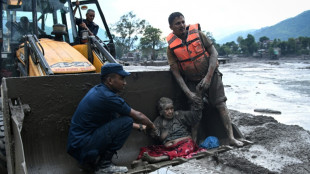
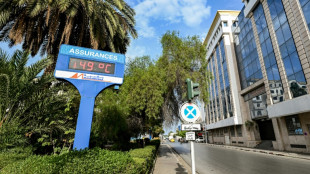 Tunisia says 2026 summer hottest on record

 Houthis accuse Saudi Arabia of deadly strikes as thousands flee

 STARTRADER Expands Its Chinese Equity CFD Range with CXMT and Unitree Robotics

 MEXC Expands Opportunity Compass with Stock Trading Handbook to Help Crypto Users Build Investment Knowledge

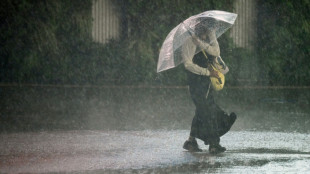 Typhoon Dujuan leaves four dead in Japan, 45,000 houses without power

 Stocks rise on AI buzz, drop in oil prices

 UK king braces as memoir by Diana's brother goes on sale

 Infantino proposes consulting federations to reform FIFA
 South Africa arrests three more suspects, after nine women murdered

 Paramount settles with US states to clear Warner Bros. mega-merger

 Climate crisis a job for world leaders, not just activists: UK FM
 COP31 host says AI's climate footprint to be a summit priority
Fossil fuel and cement producers have contributed "significantly" to the growing number and intensity of climate-change-driven heatwaves, according to a study published on Wednesday in Nature.
An international team of scientists analysed more than 200 heatwaves around the world between 2000 and 2023 and found that climate change had made each of them more likely and more ferocious.
But they also took their attribution study one step further by teasing out the role of 180 major producers of polluting oil, gas, coal and cement.
They found emissions linked to these large companies contributed half of the increase in heatwave intensity compared to the pre-industrial era and also increased their probability.
The role of the 14 largest "carbon majors" -- including Saudi Aramco, Gazprom, Chevron and BP -- appears to be very significant, weighing as much as the 166 other companies studied.
The pollution from these firms has essentially been large enough to spark heatwaves, researchers said.
"Each producer alone can be enough to make heatwaves possible that would have been virtually impossible without climate change," said Yann Quilcaille of ETH Zurich, who led the study published in Nature.
Attribution studies generally measure the degree of influence of climate change on a particular extreme weather event.
To do this, scientists compare the current climate with a simulation of a climate that has not been warmed by human activities.
The latest study expanded the scope to a total of 213 heatwaves.
Researchers found that the influence of climate change had grown over time: it made heatwaves on average 20 times more likely between 2000 and 2009 and 200 times more likely from 2010 to 2019.
A quarter of the events studied (55 out of 213) were at least 10,000 times more likely. In other words, they would have been virtually impossible without global warming.
"We also show that emissions associated with the largest producers of fossil fuels and cement contribute significantly to heatwaves," Quilcaille told AFP.
Emissions from just one of these carbon majors would have been enough to cause events deemed 10,000 times more likely, they found.
- 'Leap forward' -
The authors took into account the entire value chain of the companies as well as the use of the products by customers. For example, they attributed to each oil group the emissions associated with the petrol it sold.
Pascal Yiou, from France's Laboratory for Climate and Environmental Sciences (LSCE), who was not involved in the study, told AFP it was "a summary of the current state of knowledge in heatwave attribution", playing down the effort to attribute the role of major polluters.
But Quilcaille said the study could aid corporate responsibility legal cases, which have not so far been able to draw on increasingly precise research linking carbon emissions with specific events.
In one, a Peruvian farmer sued German energy company RWE, accusing it of being indirectly responsible for the melting of a glacier near his home. In May, a German court rejected the case but recognised the principle of polluters' global responsibility for climate damage.
In a commentary published in Nature, Karsten Haustein, of the University of Leipzig, said the new research was a "leap forward" for climate litigation and diplomacy.
"It is another reminder that denial and anti-science rhetoric will not make climate liability go away, nor will it reduce the ever-increasing risk to life from heatwaves across our planet," said Haustein, who was not involved in the study.
H.Müller--CPN