WHO backs weight-loss drugs, urges cheap generics / Photo: Armend NIMANI - AFP/File

 Archaelogical 'breakthrough' could confirm origins of Paris
 Fendi brings disco bling, Italian style, to Milan Fashion Week
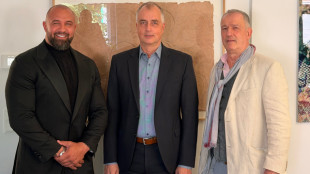 アレックス・ボディ氏とシュテファン・ハウプト教授、ルーマニアの伝説的な美術コレクションをめぐり提携に合意
 Stocks dip, oil rises as traders eye chances of Iran deal

 Oil falls, stocks steady as Trump hails 'good' Iran talks

 Canada judge to decide prison term for suicide poison seller

 Meta leans into AI, smart glasses amid privacy pushback
 Oil prices fall after Trump hails 'good' talks with Iran
 AI political ads warp reality ahead of US midterms

 Oil prices retreat as markets welcome US-Iran talks
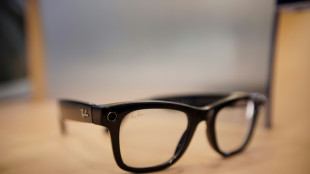 French prosecutors probe secret filming of women with smart glasses

 Trump renames AI "super intelligence," rejects international oversight
 How is the EU approaching record fuel prices?
 11 hurt as teen opens fire outside school in western Turkey
 UN chief says 'Big Oil' treats atmosphere as open sewer
 Memoir by Diana's brother goes on sale after rocking UK monarchy

 Stocks climb as oil slides, AI buzz returns

 MEXC Launches “Real Stocks, Real Friends” with Rewards for Bringing Friends to Wall Street

 Stocks rise on AI buzz, oil prices cool
 In Bangladesh, Pakistan's Jinnah photo stirs anger
 China's robot dancers limber up for America's Got Talent final

 Green policies just good politics, says UK minister
 El Nino weather pattern enters record territory: scientist

 US networks halt Trump coverage in revolt over White House ban
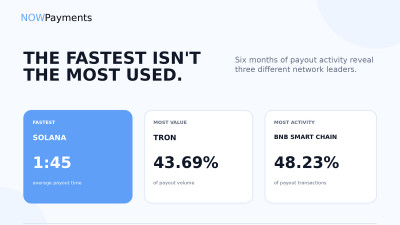 NOWPayments Releases Cross-Chain Payout Data Revealing Key Performance Benchmarks Across TRON, BNB Chain, and Solana

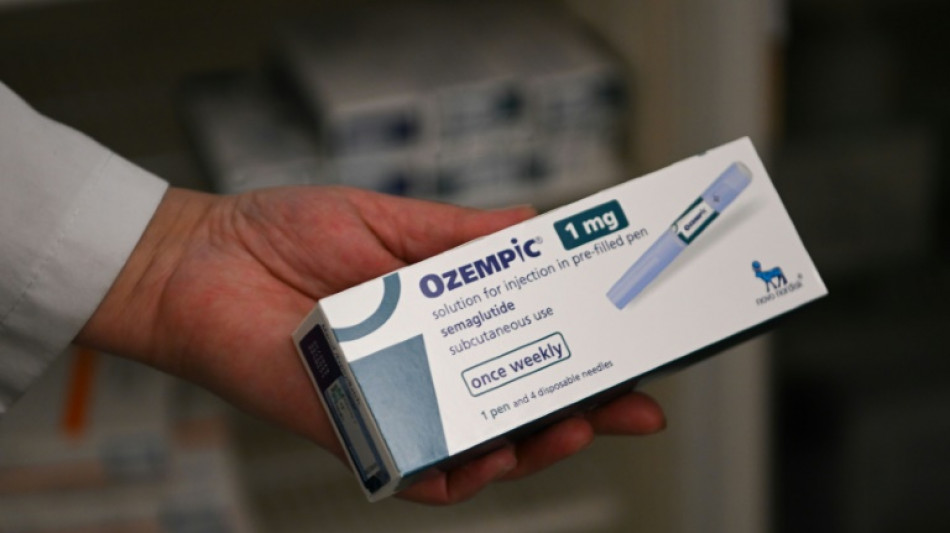
The World Health Organization recommended a range of blockbuster weight-loss drugs to treat diabetes and obesity globally for the first time on Friday, calling for cheap generic versions to be made available for people in developing countries.
The new generation of appetite-suppressing drugs called GLP-1 agonists -- which include the brands Ozempic, Wegovy and Mounjaro -- have exploded in popularity due to their ability to help people significantly lose weight.
More than 3.7 million people died from illnesses related to being overweight or obese in 2021 according to WHO figures -- more than top infectious killers malaria, tuberculosis and HIV combined.
However the sky-high prices of GLP-1 drugs, which can cost over $1,000 a month in the United States, have raised concerns they will not be made available in poorer nations where they could save the most lives.
On Friday, the WHO added semaglutide -- the active ingredient in Danish pharma giant Novo Nordisk's Ozempic and Wegovy -- and the liraglutide used in US company Eli Lilly's Mounjaro to its list of essential medicines for adults worldwide.
To ensure these "life-saving" injectable drugs reach people who need them most, the UN agency said in a statement it encouraged "generic competition to drive down prices".
Andrew Hill, a pharmacology researcher at Liverpool University, pointed to research showing that generic semaglutide could be mass produced in India for as little as $4 a month.
"What we're asking is for Novartis and Eli Lilly to do the responsible thing and make their treatments available on a worldwide scale at an affordable, generic price," he told AFP.
The patent for semaglutide will run out in some countries including Canada, India and China next year, which could also result in a surge in generic production.
GLP-1 drugs, which have some side effects including nausea, were originally developed for diabetes, but research has increasingly suggested they could help with a broad range of health problems including addiction.
A study published in the JAMA medical journal this week found that patients with heart problems taking the drugs had more than a 40 percent lower risk of being hospitalised or dying prematurely.
One in eight people worldwide are now obese, while in 2022 more than 800 million people were living with diabetes, according to the WHO.
The WHO also named a range of cancer drugs to its essential medicines list.
A.Zimmermann--CPN