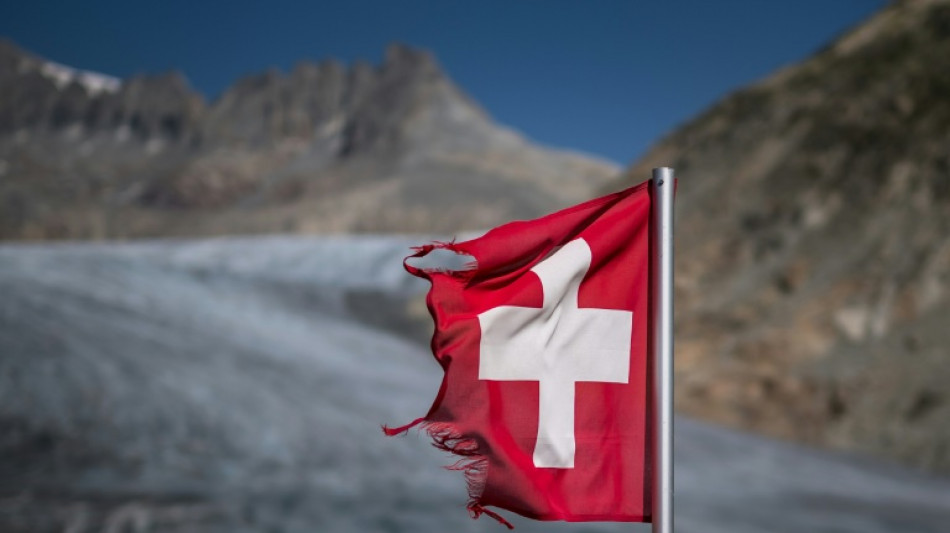
Swiss will try to negotiate way out of stiff US tariffs / Photo: Fabrice COFFRINI - AFP/File

 Forex Expo Dubai 2026 Breaks Guinness World Record Again With 23,816 Attendees

 Asian markets fall on US-China jitters as leaders meet
 As Moscow steps up attacks, Kyiv residents brace for harsh winter

 Markets mixed as China's Xi arrives for US talks

 Archaeological 'breakthrough' could confirm origins of Paris

 Australian PM says OpenAI hacked government health website

 Rio breaks record for rainiest September amid powerful El Nino
 Mandela Digital Extends Early Access Programme to 11 February 2027 Following Strong Response

 McDonald's to boost franchisees as inflation weighs on consumers
 Archaelogical 'breakthrough' could confirm origins of Paris
 Fendi brings disco bling, Italian style, to Milan Fashion Week
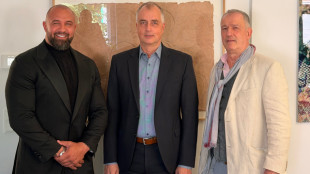
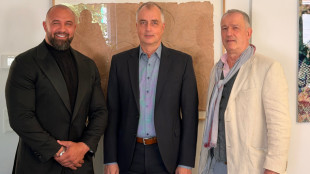
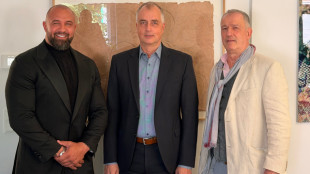 アレックス・ボディ氏とシュテファン・ハウプト教授、ルーマニアの伝説的な美術コレクションをめぐり提携に合意
 Stocks dip, oil rises as traders eye chances of Iran deal

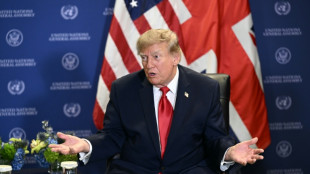 Oil falls, stocks steady as Trump hails 'good' Iran talks
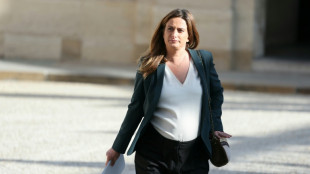
 Canada judge to decide prison term for suicide poison seller

 Meta leans into AI, smart glasses amid privacy pushback
 Oil prices fall after Trump hails 'good' talks with Iran

 AI political ads warp reality ahead of US midterms

 Oil prices retreat as markets welcome US-Iran talks

 French prosecutors probe secret filming of women with smart glasses

 Trump renames AI "super intelligence," rejects international oversight
 How is the EU approaching record fuel prices?
 11 hurt as teen opens fire outside school in western Turkey

 UN chief says 'Big Oil' treats atmosphere as open sewer

 Memoir by Diana's brother goes on sale after rocking UK monarchy

The Swiss government said Friday it would negotiate with the United States to try to avoid the tough 39-percent US tariff rate that would harm key industries.
As part of a slew of new tariffs unveiled late Thursday on nearly 70 countries, Washington said it planned to charge a 39-percent tariff rate on Swiss goods, higher than the 31-percent rate that it had been threatening to implement.
The new rate is set to go into effect on August 7, and would also prove painful for Switzerland's manufacturing and watchmaking industries.
The Swiss government said it remains in contact with US authorities and "still hopes to find a negotiated solution", in a statement on X.
"The Federal Council notes with great regret the intention of the US to unilaterally burden Swiss imports with considerable import duties despite the progress made in bilateral talks and Switzerland's very constructive position," it added.
Senior Swiss officials had held numerous discussions with their US counterparts in an attempt to reach a deal with the administration of US President Donald Trump, like Britain and the European Union have.
President Karin Keller-Sutter, who is also finance minister, spoke with Trump on Thursday.
"The trade deficit remains the centre" of Trump's preoccupation and they could not reach an agreement on a framework trade deal, she said on X.
- 'Surprisingly high tariff rate' -
The United States is a key trading partner for Switzerland, taking 18.6 percent of its total exports last year, according to Swiss customs data.
Pharmaceuticals dominated at 60 percent of Swiss goods exports to the United States, followed by machinery and metalworking at 20 percent and watches at eight percent.
Economist Adrian Prettejohn at Capital Economics said "the surprisingly high tariff rate on Switzerland of 39 percent that the US announced yesterday is likely be negotiated down in future and, importantly, pharmaceutical goods still appear to be exempt for the time being."
Trump has vowed to impose tariffs of up to 200 percent on pharmaceuticals, but those are being considered separately from the reciprocal tariffs he is imposing on trading partners.
However, the European Union succeeded in getting Washington to agree that the 15-percent tariff ceiling it agreed would also apply to a potential levy on pharmaceuticals.
Separately, Trump on Thursday told major pharmaceutical firms Thursday to lower prices or face punishment, as he moved to give Americans relief from high medicine costs.
Swiss pharmaceutical giants Roche and Novartis have both announced plans to invest tens of billions of dollars in the United States in the coming five years as they try to head off tariffs.
The 39-percent tariff rate, if it remains in place, would knock around 0.6 percent off Swiss GDP, Capital Economics' Prettejohn estimated.
He said the impact would be considerably more if pharmaceuticals lose their tariff exemption.
The trade balance between Switzerland and the United States is heavily in Switzerland's favour, at 40 billion Swiss francs ($49 billion) last year.
Trump has paid particular attention to trade deficits, considering them a sign that the United States is being taken advantage of by its trading partners.
Switzerland is however the sixth country in terms of foreign direct investment into the United States, particularly in research and development.
The trade association representing the small and medium-sized firms in Switzerland's machine and metal-working industry urged the government to take advantage of the negotiating window before the entry into force on August 7 of the new tariffs, which it warned would have serious long-term consequences.
O.Ignatyev--CPN