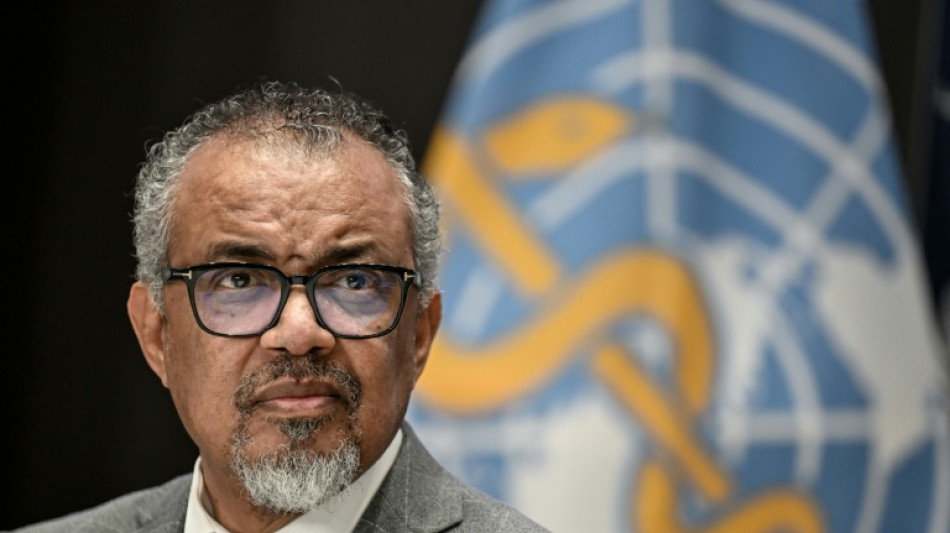
WHO chief says turmoil creates chance for reset / Photo: Fabrice COFFRINI - AFP

 AI 'warning shots' focus Beijing on national security risks

 Philippine tribe in limbo over US-led tech hub
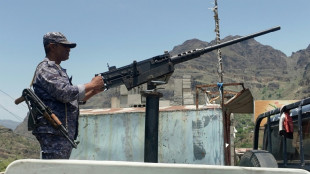 Saudi-led coalition says Houthis fired ballistic missile at Riyadh
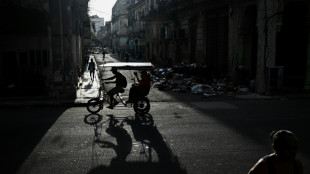 Cuba works to restore power after another blackout
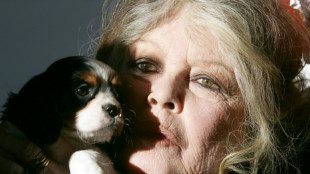 Brigitte Bardot widower slams sale of star's belongings

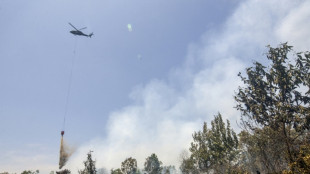 Indonesia accepts Malaysia's help to tackle wildfires
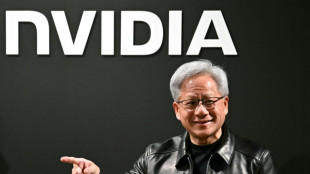 Nvidia, OpenAI CEOs to attend Xi dinner at White House

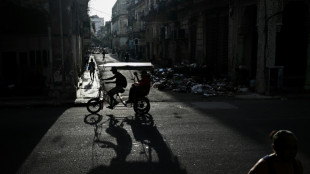 Cuba hit with seventh major blackout of the year
 Nigeria miners struggled to breathe in cell before 37 died: survivors

 Warren Buffett steps down as Berkshire Hathaway chairman

 Isolated Syrian-Druze city blames Damascus for shortages

 Kerry James Marshall: American 'blackness' painter celebrated in Europe

 Infantino 'must go', says German FA vice-president

 Japan's busiest rail station tests robot bins

 Backpackers fret over Australian visa crackdown

 Bank of Japan hikes rates to 31-year high to battle inflation

 AI doomsday warnings unlikely to slow IPOs but questions linger

 In Brazil's Amazon, the hunt for oil fuels hopes and fears

 Baby orangutans in India expose 'frightening' scale of trafficking

 Oversight Board blasts 'inadequate' Meta safeguards for AI deepfakes

 Harry makes first public appearance since return to UK

 Princess Diana's brother makes new explosive claims against Charles

 Trump admin overhauls key protection for endangered species

 Mbappe draws political fire over Ceuta t-shirt controversy

 Third malaria death in Germany from outbreak tied to Frankfurt airport

The head of the World Health Organization said Monday that the dramatic cuts of 2025 as the United States headed for the exit created the chance to build a leaner, re-focused WHO.
Washington, traditionally the UN health agency's biggest donor, has slashed foreign aid spending under President Donald Trump, who on his first day back in office in January 2025 handed the WHO his country's one-year notice of withdrawal.
WHO chief Tedros Adhanom Ghebreyesus told the agency's annual executive board meeting that 2025 was "undeniably one of the most difficult years in our organisation's history", with many donors tightening their belts.
"Significant cuts to our funding left us with no choice but to reduce the size of our workforce," he said.
More than a thousand staff have departed but Tedros said such a shock was something the WHO had seen coming, having tried to pivot away from over-reliance on major donors.
And its reorientation was all but finalised, he said.
"We have now largely completed the prioritisation and realignment. We have reached a position of stability and we are moving forward," Tedros insisted.
"Although we have faced a significant crisis in the past year, we have also viewed it as an opportunity. It's an opportunity for a leaner WHO to become more focused on its core mission."
He urged member states to keep gradually increasing their membership fees, to reduce the WHO's reliance on voluntary contributions.
The aim is for membership fees to eventually cover 50 percent of the agency's budget, to secure its "long-term stability, sustainability and independence".
"I don't mean independence from member states. Of course, WHO belongs to you and always will," he stressed.
"I mean non-dependence on a handful of donors; I mean non-dependence on inflexible, unpredictable funding; I mean a WHO that's no longer a contractor to the biggest donors.
"I mean an impartial, science-based organisation that's free to say what the evidence says, without fear or favour."
The executive board meeting, which opened Monday and runs until Saturday, will discuss the withdrawal notifications of the United States and Argentina.
Unlike any other member state, the United States reserved the right to withdraw when it joined the organisation in 1948 -- on condition of one year's notice, and meeting its financial obligations in full for that fiscal year.
While the notice is now up, Washington has not paid its 2024 or 2025 dues, owing around $260 million.
U.Ndiaye--CPN