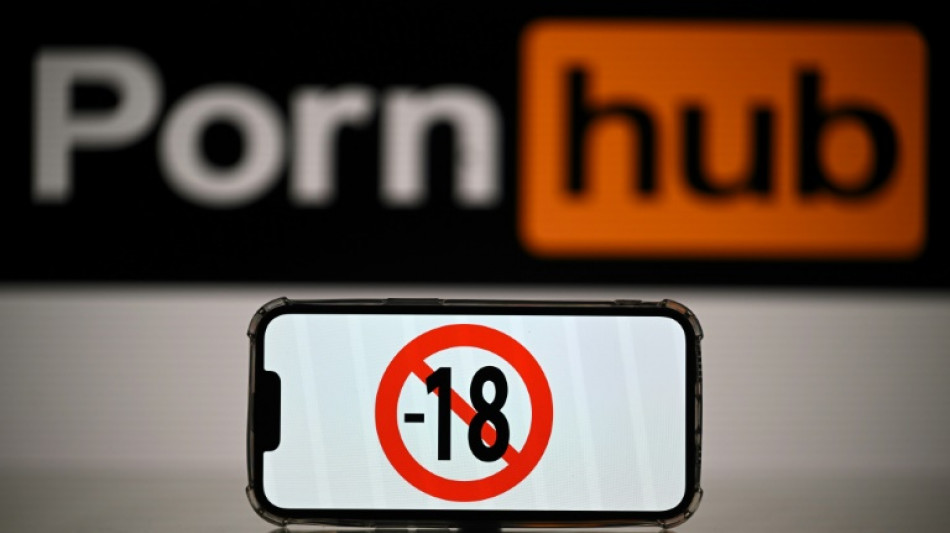
UK starts online checks to stop children accessing harmful content / Photo: Lionel BONAVENTURE - AFP/File

 South Lebanon children return to school destroyed by Israel strike

 European stock markets climb as oil prices drop

 Asian markets mixed after recent oil surge
 Cash for nature protection: hotelier's offer to Principe islanders

 India rape cases turn focus back onto women's safety

 Rich nations should foot climate bill, says Nepal minister
 Italy bans burqas in schools, caps numbers of foreign students per class

 Napoli hoping to build new stadium, says owner
 What happens if the US bans diesel exports
 Oscar-winner Cotillard fears being moved by AI actor

 Stocks fall, oil prices rise as global bonds back under pressure

 Streamex Converts Interest Into Capital as GLDY Investment Strategy Secures $1M+ Institutional Allocation

 STARTRADER Named Best Fintech Forex Broker at Forex Expo Dubai 2026

 German think tanks urge Merz to stick with reforms after election defeats

 France's top-selling newspaper to slash jobs

 BaazEX Enters the Asian Trading Market With a New Approach to Online Forex Trading.

 Sao Tome voters want to stop exodus of 'neglected' youth

 Mexican cartels target Australia with their African meth

 Rapper-turned-PM faces first big test after Nepal disaster

 Meta launches camera-free AI glasses amid privacy pushback
 Anthropic touts AI-led biology discovery

 Stocks fall on soaring bond yields, higher oil prices

 ArcPoint Expands Globally with Institutional Intelligence Platform for Modern Investors

 Outgoing UN chief makes final climate push at New York summit

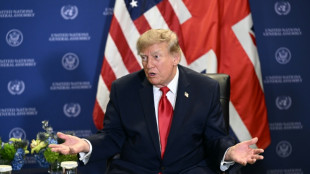 Stocks dip, oil soars despite Trump hailing "productive" Iran talks

New UK age verification measures to prevent children accessing harmful online content came into force on Friday, with campaigners hailing them a "milestone" in their years-long battle for stronger regulations.
Under the new rules, to be enforced by Britain's media watchdog, websites and apps hosting potentially harmful content will be held responsible for age checks using measures such as facial imagery and credit cards.
Around 6,000 pornography sites have agreed to implement the curbs, according to Melanie Dawes, chief executive of British regulator Ofcom.
Other platforms such as X, which is facing a dispute over similar restrictions in Ireland, must also protect children from illegal pornographic, hateful and violent content, she noted.
"We've done the work that no other regulator has done," Dawes told BBC Radio.
"These systems can work. We've researched that," she said.
Around 500,000 youngsters aged eight to 14 encountered pornography online last month, according to Ofcom.
The long-awaited new rules, which aim to prevent minors from encountering content relating to suicide, self-harm, eating disorders as well as porn, stem from a 2023 Online Safety Act.
It imposes legal responsibilities on tech companies to better safeguard children and adults online and mandates sanctions for those who fall short.
Rule-breakers face fines of up to £18 million ($23 million) or 10 percent of their worldwide revenue, "whichever is greater", according to the government.
Criminal action can also be taken against senior managers who fail to ensure companies follow Ofcom information requests.
The measures are coming into force now after the sector and the regulator were given time to prepare.
- 'Different internet' -
Children will "experience a different internet for the first time," technology secretary Peter Kyle told Sky News, adding he had "very high expectations" for the changes.
In an interview with parenting forum Mumsnet, he also said sorry to youngsters who had been exposed to harmful content.
"I want to apologise to any kid who's over 13 who has not had any of these protections," Kyle said.
Rani Govender, of the child protection charity NSPCC, said it was "a really important milestone that we're finally seeing tech companies having to take responsibility for making their services safe for children".
Children are frequently "stumbling across this harmful and dangerous content," she told BBC News.
"There will be loopholes," Govender noted, insisting it was still "right that we're introducing much stronger rules to make sure that that can't continue to happen".
Prime Minister Keir Starmer's government is also considering introducing a daily two-hour limit for children on social media apps.
Kyle said he would announce more plans for regulating the sector for under-16s "in the near future".
L.Peeters--CPN