Trump's trade math baffles economists / Photo: Brendan SMIALOWSKI - AFP

 Kenya's economy faces climate change risks: World Bank

 ArcelorMittal confirms long-stalled French steel plant revamp

 AstraZeneca profit jumps as cancer drug sales grow

 Trump tariffs hurt French wine and spirits exports

 Back to black: Philips posts first annual profit since 2021
 'Family and intimacy under pressure' at Berlin film festival

 Unions rip American Airlines CEO on performance

 Three missing employees of Canadian miner found dead in Mexico

 Epstein accomplice Maxwell seeks Trump clemency before testimony

 Emergency measures kick in as Cuban fuel supplies dwindle under US pressure
 AI chatbots give bad health advice, research finds
 Bank of France governor Francois Villeroy de Galhau to step down in June

 Japan restarts world's biggest nuclear plant again
 'Want to go home': Indonesian crew abandoned off Africa demand wages

 Trump says China's Xi to visit US 'toward the end of the year'

 US astronaut to take her 3-year-old's cuddly rabbit into space

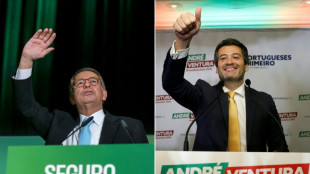 Storm-battered Portugal votes in presidential election run-off

 De Beers sale drags in diamond doldrums

 Pakistan's capital picks concrete over trees, angering residents

 Chile's climate summit chief to lead plastic pollution treaty talks

 Opinions of Zuckerberg hang over social media addiction trial jury selection

 Dow surges above 50,000 for first time as US stocks regain mojo

 EU nations back chemical recycling for plastic bottles
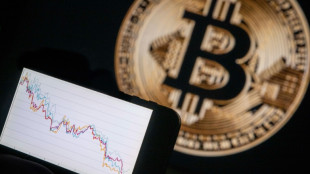
 Stocks rebound though tech stocks still suffer
 German exports to US plunge as tariffs exact heavy cost

Trade economists were scratching their heads on Thursday at the formula used by the White House to measure trade imbalances and inflict punishment on all its global trading partners.
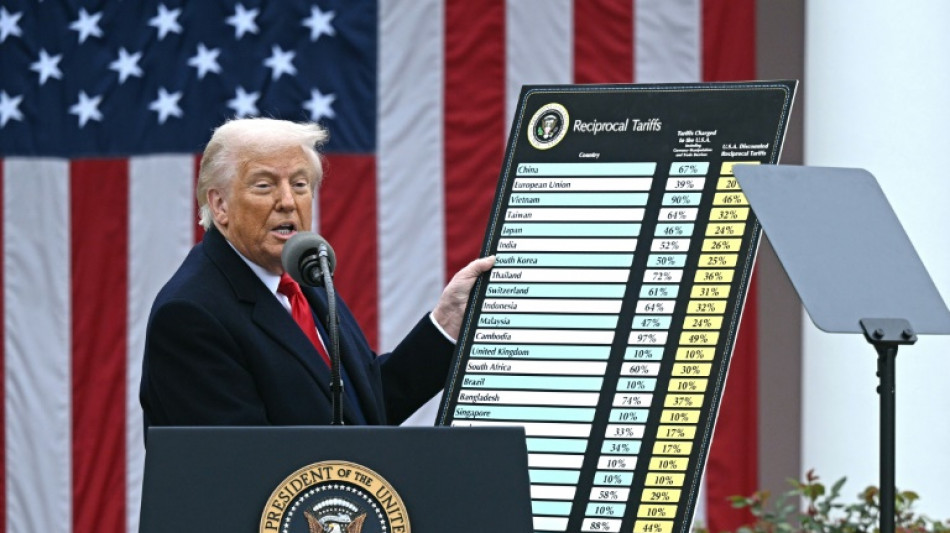
Handed a chart in the White House Rose Garden, US President Donald Trump presented the rationale for how his administration would impose reciprocal tariffs on partners ranging from major powers like China and Europe to the smallest nations.
The figures presented bear little resemblance to actual tariff levels, however.
While Trump's chart claims China imposes a 67 percent tariff on American products, World Trade Organization data shows China's average tariff in 2024 was just 4.9 percent.
Similar discrepancies exist for the European Union (39 percent versus 1.7 percent) and India (52 percent versus 6.2 percent).
Administration officials explained they incorporated factors beyond tariffs, including environmental standards and "currency manipulation and trade barriers."
The US trade representative published a formula with Greek letters to provide some academic credibility to the calculations -- and one that actually did not include tariff levels as a factor.
Following Trump's trade philosophy, the formula takes a country's trade deficit with the US as evidence of unfairness.
Officials then divided this deficit by the value of goods imported from that country to determine what they call "the tariff rate necessary" to balance the bilateral deficits.
Two other variables were included -- price elasticity of import demand and elasticity of import prices -- but were set such that they cancelled each other out.
Trump said the administration then halved the resulting figure because "we're nice," while imposing a flat 10 percent tax on countries with which the US maintains a trade surplus.
"There's so much wrong with this approach that it's hard to know where to start," Nobel laureate Paul Krugman, a trade economist and frequent Trump critic, wrote on his blog.
Trump's focus on trade deficits reflects his view that they represent American job losses to foreign production -- a zero-sum standpoint that contradicts established international economic principles since World War II.
To most economists, Trump's deficit-obsessed beliefs dismiss the intricacies of the US economy, the world’s biggest, where a company like Apple manufactures 90 percent of its products abroad, but delivers huge wealth domestically.
T.Morelli--CPN