Covid-flu joint booster jab possible late 2023: Moderna

 Kenya's economy faces climate change risks: World Bank
 Dow hits fresh record as oil prices tumble
 Iran denies negotiating with US, drawing Trump backlash

 Key dates for the Boeing 737 MAX

 England, Wales had driest July on record: Met Office

 Oil prices slide on hopes of deal to end Mideast war
 BitMart、説明を迫られる:SNC SCANDIC COINの出金は8日経っても依然としてTXIDなし

 Seoul issues first 'severe heatwave warning' under new system

 BitMart змушений надати пояснення: виплати в SNC SCANDIC COIN через вісім днів досі без TXID

 BitMart 面臨解釋壓力:SNC SCANDIC COIN 提現八天後仍無 TXID

 Iran denies negotiating with US after Trump announces talks

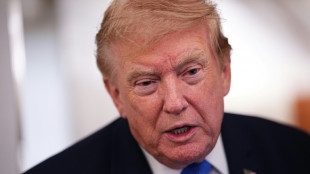 US, Japan join forces to boost yen

 Oil prices sink on Middle East hopes, yen extends gains after joint intervention

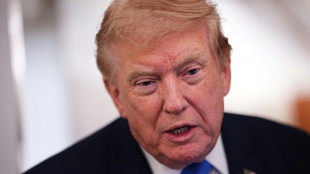 Trump says US support for Japanese yen a 'signal of friendship'
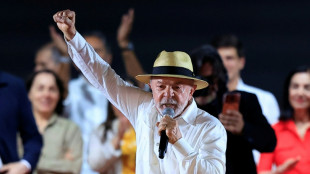
 Handbag tosses and high-heeled sprints: Amsterdam celebrates Drag Olympics

 Baltics transform from Soviet stagnation to startup hubs

 Five of Cuba's 15 provinces without power as grid fails again
 OPEC+ tipped to raise production again but new quotas loom

 South Korea baseball league cancels two games over heatwave

 India PM Modi says he forgives protesters who abused him

 US plans steep water cuts for southwest amid Colorado River crisis

 Oil giants report blowout profits on war, warn high gas prices could persist

 Google launches new satellite image AI tool, alarming researchers

 US Fed dissenters call for rate hikes over sustained inflation

 New York sues online prediction markets giant Kalshi

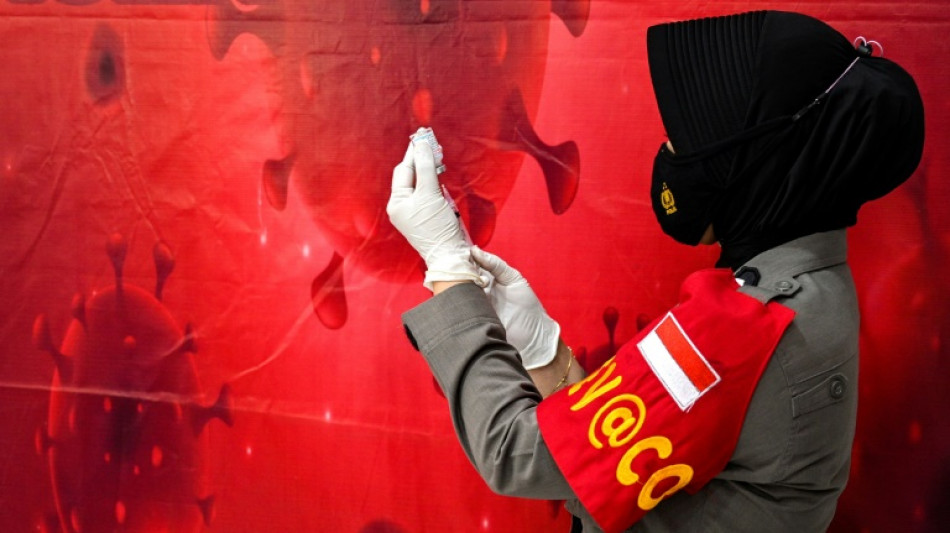
Moderna aims to roll out a combined Covid-flu-RSV booster vaccine in late 2023, the US pharmaceutical firm said Monday, hoping a joint jab would encourage people to get an annual shot.
The single vaccine for Covid-19, influenza and respiratory syncytial virus -- a common virus that causes the cold, but can be more serious for infants and elderly people -- could appear on the market before 2024.
"Best-case scenario will be the fall of '23," Moderna chief executive Stephane Bancel told a virtual World Economic Forum roundtable session.
"I don't think it would happen in every country, but we believe it's possible to happen in some countries next year.
"Our goal is to be able to have a single annual booster so that we don't have compliance issues where people don't want to get two to three shots a winter, but to get one dose."
- Trials in progress -
Bancel said the RSV programme was in Phase III trials -- the final stage of human testing -- while the flu programme should be entering Phase III in the second quarter of this year.
Moderna's experimental flu shot, targeting four major strains, is based on the same mRNA method used in its Covid-19 jabs.
The technology provokes an immune response by delivering genetic molecules containing the code for key parts of a pathogen into human cells.
While Moderna's Covid-19 vaccine was based on the original strain of the virus, it was working on finishing an Omicron-specific jab within weeks, ahead of trials, said Bancel.
"We're hoping in the March timeframe we should be able to have data to share with regulators to figure out the next step forward."
- Hunt for 'holy grail' -
Beyond a vaccine specific to Omicron -- which is rapidly becoming the world's dominant strain -- laboratories are also pursuing a vaccine that works against all current and future Covid-19 mutations.
"There's some private sector partners that are pursuing it," said Richard Hatchett, chief executive of the Coalition for Epidemic Preparedness Innovations, which funds vaccine research and development.
"That would be the holy grail because we really don't want to be in position where we're chasing the new variants that are going to come.
"We don't want to be in a position where we're having to vaccinate everybody in the world every three or six months, or even annually, ideally."
Top US pandemic advisor Anthony Fauci added: "We really don't want to get into the whack-a-mole approach towards every new variant... because you'd be chasing it forever."
Bancel meanwhile said that Moderna had shipped 807 million doses of Covid-19 vaccine in 2021, of which a quarter went to middle- and low-income countries.
Thanks to extra capacity coming on stream before the end of March, the company hopes to be able to make two to three billion doses this year.
M.Anderson--CPN