
Study warns US emissions progress may flatline / Photo: Brandon Bell - GETTY IMAGES NORTH AMERICA/AFP/File

 أليكس بودي والبروفيسور الدكتور شتيفان هاوبت يتفقان على التعاون من أجل مجموعة فنية أسطورية في رومانيا

 Alex Bodi și prof. dr. Stefan Haupt încheie un acord de cooperare pentru o colecție de artă legendară în România

 Blueberry Strengthens MENA Presence with CMA Category 5 License and Dubai Office Launch

 In first, French presidential candidate gives birth during campaign

 A Full Moon for Every Child: STARTRADER's STARCARES Brings Support to SOS Children's Village Ho Chi Minh City

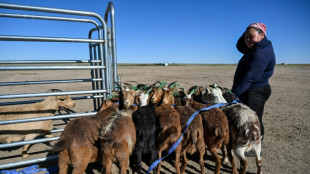 Mongolian herders enlist new tech against harsher, drier climate

 Tata turmoil shines light on India succession woes

 OMP and PwC Alliance Moves Process Manufacturers from Siloed Supply Chain Planning to Unified Decisions

 Chile's Atacama Desert blossoms with life after El Nino rains

 Drug cocktail killed former child star Hayden Panettiere: coroner

 Trump rejects international regulation of AI

 Oil prices slide, AI stock buzz fades

 Quoin Pharmaceuticals Announces FDA Fast Track Designation for QRX003 for the Treatment of Peeling Skin Syndrome

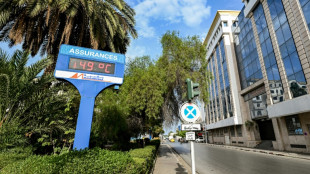 Tunisia says 2026 summer hottest on record

 Houthis accuse Saudi Arabia of deadly strikes as thousands flee

 STARTRADER Expands Its Chinese Equity CFD Range with CXMT and Unitree Robotics

 MEXC Expands Opportunity Compass with Stock Trading Handbook to Help Crypto Users Build Investment Knowledge

 Typhoon Dujuan leaves four dead in Japan, 45,000 houses without power

 Stocks rise on AI buzz, drop in oil prices

 UK king braces as memoir by Diana's brother goes on sale

 Infantino proposes consulting federations to reform FIFA

 South Africa arrests three more suspects, after nine women murdered
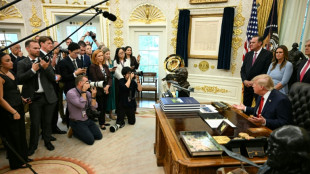
 Paramount settles with US states to clear Warner Bros. mega-merger

 Climate crisis a job for world leaders, not just activists: UK FM

 COP31 host says AI's climate footprint to be a summit priority

After years of steady decline, US greenhouse gas emissions risk leveling off under Trump administration policies that promote fossil fuels and restrict renewables, according to an analysis released Wednesday.
In its most pessimistic scenario, the Rhodium Group projected that emissions from the world's largest economy would decline slightly for the rest of the decade, then flatten out between 2030 and 2040 at just under 4.9 billion metric tons of carbon dioxide equivalent.
The research organization modeled low, mid, and high emissions pathways by weighing factors including economic growth, fossil fuel prices, and clean energy costs and performance.
"The first seven months of the second Trump administration and 119th Congress have seen the most abrupt shift in energy and climate policy in recent memory," the authors wrote in their latest annual Taking Stock report.
"After the Biden administration adopted meaningful policies to drive decarbonization, Congress and the White House are now enacting a policy regime that is openly hostile to wind, solar, and electric vehicles and seeks to promote increased fossil fuel production and use."
US emissions have been steadily falling since peaking in the mid-2000s at more than six billion tons, thanks to several factors.
The biggest driver has been coal's decline, replaced first by natural gas and more recently renewables. Efficiency gains in vehicles, appliances, and industry, alongside supportive policies, have also played a role.
According to the Rhodium Group, greenhouse gases are now projected to decline 26-35 percent by 2035 relative to 2005 levels -- a "meaningful shift" from last year's report, which forecast a far steeper 38–56 percent drop.
Since returning to office, President Donald Trump has pursued an agenda centered on boosting fossil fuels and restricting renewables.
A recent tax-and-spending law passed by Republicans in Congress repealed green energy tax credits enacted under former president Joe Biden, while the administration has also been rescinding approvals for wind projects already under construction.
Renewables will continue to grow substantially through 2030 as companies claim expiring clean electricity tax credits, the report forecast, but deployment then diverged under the three different emissions scenarios.
Transportation emissions are projected to fall more modestly, by 8–20 percent in 2040 compared to 2024, with zero-emission vehicle sales shares rising only slightly.
Meanwhile, oil and gas production is increasingly geared toward exports. The Rhodium Group estimated liquefied natural gas -- heavily promoted by the Trump administration as part of foreign trade deals -- will grow by 94–150 percent in 2040 compared to 2024.
S.F.Lacroix--CPN