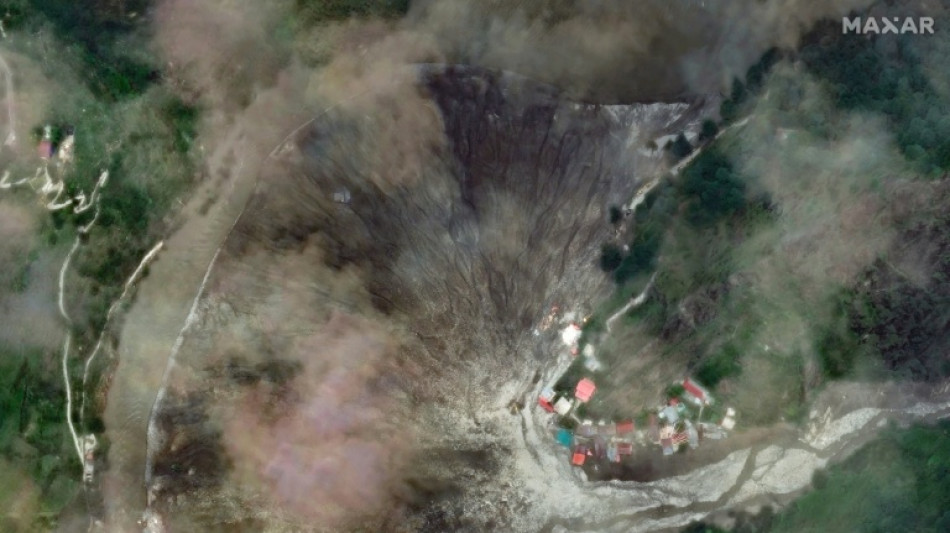
Toll of India Himalayan flood likely to be at least 70 / Photo: Handout - Satellite image ©2025 Maxar Technologies/AFP/File

 Markets mixed as China's Xi arrives for US talks

 Archaeological 'breakthrough' could confirm origins of Paris

 Australian PM says OpenAI hacked government health website

 Rio breaks record for rainiest September amid powerful El Nino

 Mandela Digital Extends Early Access Programme to 11 February 2027 Following Strong Response

 McDonald's to boost franchisees as inflation weighs on consumers

 Archaelogical 'breakthrough' could confirm origins of Paris

 Fendi brings disco bling, Italian style, to Milan Fashion Week

 アレックス・ボディ氏とシュテファン・ハウプト教授、ルーマニアの伝説的な美術コレクションをめぐり提携に合意

 Stocks dip, oil rises as traders eye chances of Iran deal

 Oil falls, stocks steady as Trump hails 'good' Iran talks

 Canada judge to decide prison term for suicide poison seller

 Meta leans into AI, smart glasses amid privacy pushback
 Oil prices fall after Trump hails 'good' talks with Iran

 AI political ads warp reality ahead of US midterms

 Oil prices retreat as markets welcome US-Iran talks
 French prosecutors probe secret filming of women with smart glasses

 Trump renames AI "super intelligence," rejects international oversight

 How is the EU approaching record fuel prices?

 11 hurt as teen opens fire outside school in western Turkey

 UN chief says 'Big Oil' treats atmosphere as open sewer
 Memoir by Diana's brother goes on sale after rocking UK monarchy

 Stocks climb as oil slides, AI buzz returns

 MEXC Launches “Real Stocks, Real Friends” with Rewards for Bringing Friends to Wall Street

 Stocks rise on AI buzz, oil prices cool
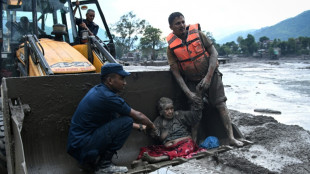
Indian officials say at least 68 people are unaccounted for a week after a deadly wall of icy water swept away a Himalayan town and buried it in mud.
On top of four people reported to have been killed, it takes the likely overall toll of the August 5 disaster to more than 70 dead.
Videos broadcast by survivors showed a terrifying surge of muddy water sweeping away multi-storey apartment blocks.
Disaster officials said Tuesday that they were searching for corpses in the wreckage of the tourist town of Dharali in Uttarakhand state.
Gambhir Singh Chauhan, from the National Disaster Response Force, said sniffer dogs had identified several sites indicating there was a body but when "when digging started, water came out from below".
Chauhan said teams were also using ground penetrating radar in the grim search.
More than 100 people were initially reported as missing.
But with roads swept away and mobile phone communications damaged, it has taken rescuers days to cross-check the list.
The local government now lists 68 people as missing, including 44 Indians and 22 Nepalis. Nine soldiers are on the list.
Deadly floods and landslides are common during the monsoon season from June to September, but experts say climate change, coupled with poorly planned development, is increasing their frequency and severity.
Climate change experts warned that the disaster was a "wake-up call" to the effects of global warming.
No official cause of the flood has been given, but scientists have said it was likely that intense rains triggered a collapse of debris from a rapidly melting glacier.
Himalayan glaciers, which provide critical water to nearly two billion people, are melting faster than ever before due to climate change, exposing communities to unpredictable and costly disasters.
The softening of permafrost increases the chances of landslides.
C.Peyronnet--CPN