Deadly Indian Himalayan flood likely caused by glacier collapse, experts say / Photo: Biju BORO - AFP

 As Moscow steps up attacks, Kyiv residents brace for harsh winter

 Markets mixed as China's Xi arrives for US talks

 Archaeological 'breakthrough' could confirm origins of Paris

 Australian PM says OpenAI hacked government health website

 Rio breaks record for rainiest September amid powerful El Nino

 Mandela Digital Extends Early Access Programme to 11 February 2027 Following Strong Response

 McDonald's to boost franchisees as inflation weighs on consumers

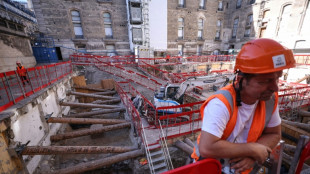 Archaelogical 'breakthrough' could confirm origins of Paris

 Fendi brings disco bling, Italian style, to Milan Fashion Week

 アレックス・ボディ氏とシュテファン・ハウプト教授、ルーマニアの伝説的な美術コレクションをめぐり提携に合意

 Stocks dip, oil rises as traders eye chances of Iran deal

 Oil falls, stocks steady as Trump hails 'good' Iran talks

 Canada judge to decide prison term for suicide poison seller

 Meta leans into AI, smart glasses amid privacy pushback
 Oil prices fall after Trump hails 'good' talks with Iran

 AI political ads warp reality ahead of US midterms

 Oil prices retreat as markets welcome US-Iran talks
 French prosecutors probe secret filming of women with smart glasses

 Trump renames AI "super intelligence," rejects international oversight

 How is the EU approaching record fuel prices?

 11 hurt as teen opens fire outside school in western Turkey

 UN chief says 'Big Oil' treats atmosphere as open sewer
 Memoir by Diana's brother goes on sale after rocking UK monarchy

 Stocks climb as oil slides, AI buzz returns

 MEXC Launches “Real Stocks, Real Friends” with Rewards for Bringing Friends to Wall Street

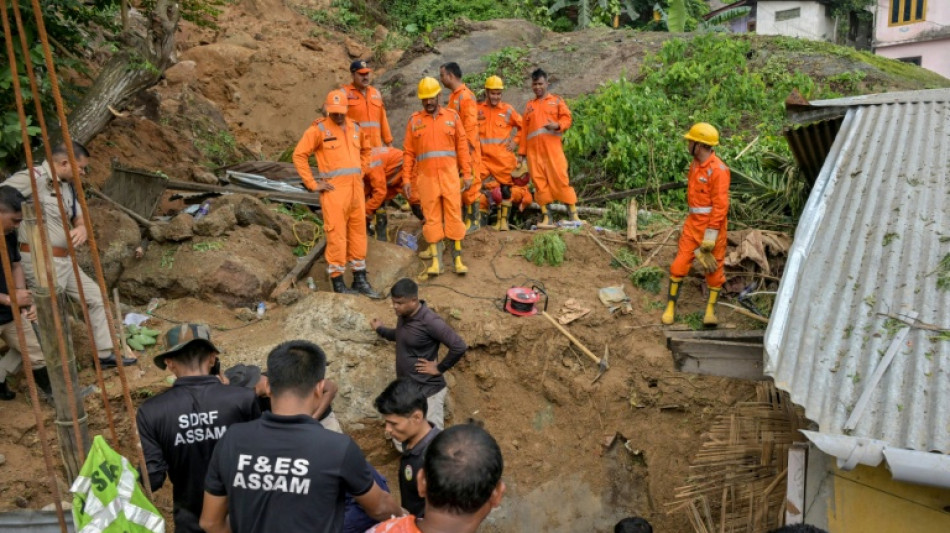
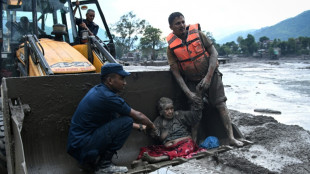
A deadly wall of muddy water that swept away an Indian Himalayan town this week was likely caused by a rapidly melting glacier exacerbated by the rising effects of climate change, experts said on Thursday.
Scores of people are missing after water and debris tore down a narrow mountain valley, smashing into the town of Dharali in Uttarakhand state on Tuesday.
Several people could be seen in videos running before being engulfed as waves uprooted entire buildings, leaving others smothered in freezing sludge.
At least four people have been confirmed killed, but at least 50 others are missing.
Government officials said shortly after the disaster that the flood was caused by an intense "cloudburst" of rain.
However, experts assessing the damage suggested that it was only the final trigger, adding to days of prolonged rains that had already soaked and loosened the ground.
P.K. Joshi, of New Delhi's Jawaharlal Nehru University, an expert on Himalayan hazards, said it appeared the flood was caused by the collapse of debris -- known as moraine -- that had dammed a lake of meltwater from a retreating glacier.
"Given the persistent rainfall over preceding days and the sudden discharge observed, a glacial lake outburst flood (GLOF) or collapse of a moraine-dammed lake is suspected as the primary trigger," Joshi told AFP.
That would have contributed to a "sudden high energy flash flood", he said, noting that glacial terrain upstream of the town included "unstable sediment zones".
Cloud cover has obstructed satellite imagery to check for the exact source of the debris, and Joshi cautioned that there was not enough satellite data for a "definitive confirmation".
- 'Disaster severity' -
Safi Ahsan Rizvi, an adviser to the National Disaster Management Authority, also said that it was "likely" that the cause was a "glacio-fluvial debris landslide".
Sandip Tanu Mandal, a glaciologist at New Delhi's Mobius Foundation, also pointed to the "possibility of a GLOF", caused by "significant water accumulation in the lake due to increased melting and rainfall".
Mandal noted that while heavy, the amount of rain immediately before the flood was "not very significant" in comparison to the vast volumes of water that poured down the valley.
That would indicate the source was a potentially collapsing lake.
Himalayan glaciers, which provide critical water to nearly two billion people, are melting faster than ever before due to climate change, exposing communities to unpredictable and costly disasters, scientists warn.
The softening of permafrost increases the chances of landslides.
Joshi said the latest disaster "highlights the complex and interconnected nature of Himalayan hazards".
Rapid development and building downstream meant that the damage caused was multiplied.
"The land use patterns in the floodplain exacerbated the disaster severity," Joshi said.
A.Leibowitz--CPN