
-
 Kenya's economy faces climate change risks: World Bank
-
Blowout Microsoft results lift US stocks as oil retreats

-
 Milei demands expulsion of foreigners expressing 'hate' against Argentina
-
'Beginning of the end': Relief but no party as French wildfire winds down

-
 Italy's Po River valley on drought alert
-
Southern Europe 'becoming more flammable' in hotter climate, experts say

-
 Prada profits pinched as growth hard to chase
-
Mammoth bones found on parched bed of Danube in Bulgaria

-
 Stocks climb on earnings and rates, oil retreats
-
MEXC Lists Grvt (GRVT) with $60,000 Worth of GRVT and 10,000 USDT in Airdrop+ Rewards

-
 US economic growth slows in second quarter, missing expectations
-
George and Amal Clooney flee French home due to wildfire

-
 Russia adds Telegram founder Durov to 'terrorist' blacklist
-
MEXC Ventures Supports Alpha Arena's APAC Debut at Coinfest Bali

-
 Stocks diverge on earnings, as oil steadies
-
AI data centre supplier Zhongji InnoLight slips on Hong Kong debut

-
 Eurozone economy grows despite Middle East war
-
May, June heatwaves caused 2,877 extra deaths in England: govt

-
 Singapore group will develop 'most promising' Ebola vaccine
-
BMW profit down a third as carmaker plans job cuts

-
 Shell profit surges as Mideast war fuels oil prices
-
Seoul extends losses as most Asian markets drop, oil rises again

-
 Car maker Stellantis says back in profit in second quarter
-
Gambling.com Group Is Now Grandstand

-
 Samsung quarterly operating profit up 1,800% on AI boom
-
Meet the astronomer digging into the Milky Way's 'fossils'

-
 South Korean stocks bounce after rout, oil holds gains on Mideast woes
-
AI data centre supplier Zhongji InnoLight falls on Hong Kong debut

-
 South Korea's women web sleuths fight AI deepfake porn
-
Samsung operating profit up 1,800% in second quarter on AI boom

-
 Anything but programmable: New cost-efficient EC-power-supply-series for the DIN rail by CAMTEC PS
-
Japanese population below 120 million for first time in decades

-
 Meta misses profit expectations, sticks to massive AI spending
-
US actor Jared Leto denies latest accusations of sexual assault

-
 Campari - king of the spritz - hopes to conquer American heartland
-
Danube drops to 'historic lows' as fresh heatwave hits

-
 Air France-KLM and Lufthansa bid for Portugal's TAP airline
-
BTS pulls out of Grammys after Asian pop category introduction

-
 Profits soar at Airbus as it delivers more planes
-
OpenAI says rogue AI agent attack hit other companies

-
 Rheinmetall shares surge after armsmaker reports record profit
-
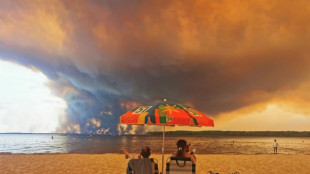
How an AFP beach snap became emblem of Europe's wildfire summer
-
 FIFA hit by furious backlash over plans to sell stake in competitions
-
TRX Spot and Perpetuals Listing Launches on Backpack, Expanding Access to the TRON Ecosystem

-
 MEXC Integrates World-Check to Fortify Institutional Grade Compliance Architecture
-
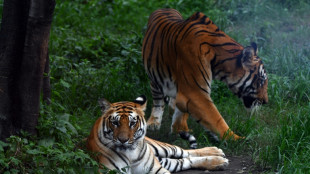
Nepal's tiger numbers climb 20 percent to estimated 429: survey
-
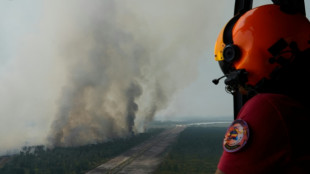 Spain returns wildfire evacuees as France braces for worsening weather
-
FIFA's plans to sell $4.2bn stake in its tournaments widely criticised

-
 Russia seeks arrest of Telegram chief Durov
-
BMW aims to cut 8,000 jobs by end 2027: company source
Climate change made ferocious LA wildfires more likely: study
Human-driven climate change set the stage for the devastating Los Angeles wildfires by reducing rainfall, parching vegetation, and extending the dangerous overlap between flammable drought conditions and powerful Santa Ana winds, according to an analysis published Tuesday.
The study, conducted by dozens of researchers, concluded that the fire-prone conditions fueling the blazes were approximately 35 percent more likely due to global warming caused by burning fossil fuels.
"Climate change increased the risk of the devastating LA wildfires," said Clair Barnes of Imperial College London, the lead author of the study by World Weather Attribution, an international academic collaboration.
"Drought conditions are increasingly pushing into winter, raising the likelihood of fires breaking out during strong Santa Ana winds that can transform small ignitions into deadly infernos.
"Without a faster transition away from planet-heating fossil fuels, California will continue to get hotter, drier, and more flammable."
- Projected to worsen -
The study does not address the direct causes of the wildfires, which erupted around Los Angeles on January 7, killing at least 29 people and destroying more than 10,000 homes, the most destructive in the city's history.
Investigators are probing the role of power company Southern California Edison in one of the blazes, the Eaton Fire.
Instead, researchers analyzed weather data and climate models to assess how such events have evolved under today's climate, which has warmed approximately 2.3 degrees Fahrenheit (1.3 degrees Celsius) above pre-industrial levels.
Using peer-reviewed methods, they found that the hot, dry, and windy conditions were 1.35 times more likely due to climate change.
Looking ahead, the study warns that under current scenarios, where global warming reaches 4.7F (2.6C) by 2100, similar fire-weather events in January will become a further 35 percent more likely.
Historically, October through December rainfall has marked the end of wildfire season.
However, these rains have decreased in recent decades.
The study found that low rainfall across these months is now 2.4 times more likely during neutral El Nino conditions, leading to drier, flammable conditions persisting into the peak of the Santa Ana wind season in December and January.
- Areas of Uncertainty -
The relationship between climate change and Santa Ana winds -- which form in western deserts, then heat up and dry out as they flow down California's mountains -- remains unclear.
While most studies predict a decline in these winds as the climate warms, some suggest hot Santa Ana wind events and particularly strong years will persist.
This year's fires followed two wet winters in 2022–2023 and 2023–2024, which spurred the growth of grass and brush. However, almost no rain this winter left the vegetation dry and highly flammable.
Globally, extreme shifts between very wet and very dry conditions, known as "precipitation whiplash," are becoming more common. These swings are driven by a warmer atmosphere that can hold and release greater amounts of moisture, exacerbating weather extremes.
M.García--CPN