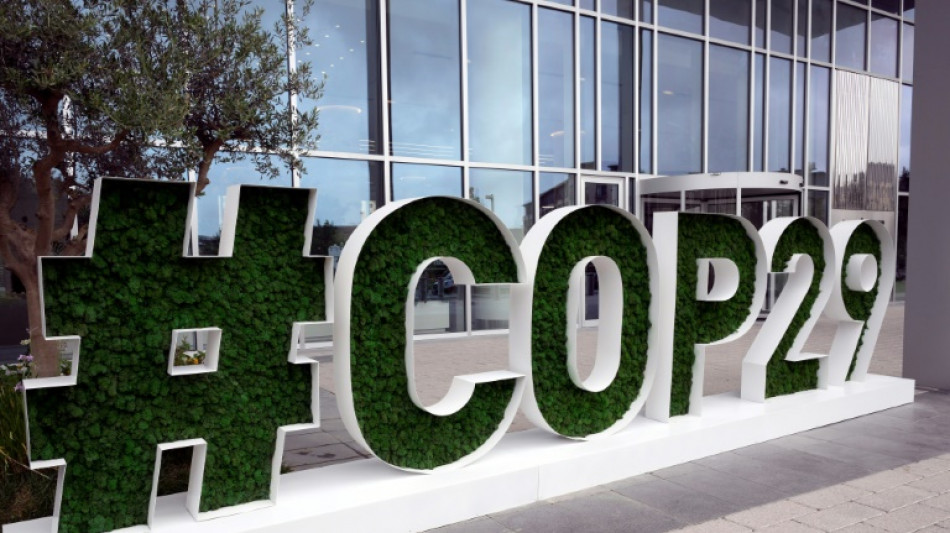
Little progress at key meet ahead of COP29 climate summit / Photo: TOFIK BABAYEV - AFP/File

 Kenya's economy faces climate change risks: World Bank

 Amazon beats expectations with cloud and AI growth

 Blowout Microsoft results lift US stocks as oil retreats

 'Beginning of the end': Relief but no party as French wildfire winds down

 Southern Europe 'becoming more flammable' in hotter climate, experts say

 Mammoth bones found on parched bed of Danube in Bulgaria

 MEXC Lists Grvt (GRVT) with $60,000 Worth of GRVT and 10,000 USDT in Airdrop+ Rewards

 George and Amal Clooney flee French home due to wildfire

 MEXC Ventures Supports Alpha Arena's APAC Debut at Coinfest Bali

 AI data centre supplier Zhongji InnoLight slips on Hong Kong debut

 May, June heatwaves caused 2,877 extra deaths in England: govt

 BMW profit down a third as carmaker plans job cuts

 Seoul extends losses as most Asian markets drop, oil rises again

 Gambling.com Group Is Now Grandstand

 Meet the astronomer digging into the Milky Way's 'fossils'

 AI data centre supplier Zhongji InnoLight falls on Hong Kong debut

 Samsung operating profit up 1,800% in second quarter on AI boom

 Japanese population below 120 million for first time in decades

 US actor Jared Leto denies latest accusations of sexual assault

 Danube drops to 'historic lows' as fresh heatwave hits
 BTS pulls out of Grammys after Asian pop category introduction

 OpenAI says rogue AI agent attack hit other companies
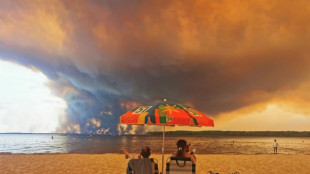 How an AFP beach snap became emblem of Europe's wildfire summer

 TRX Spot and Perpetuals Listing Launches on Backpack, Expanding Access to the TRON Ecosystem

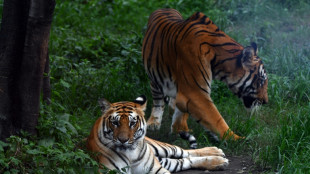 Nepal's tiger numbers climb 20 percent to estimated 429: survey
A key meeting ahead of the UN COP29 climate summit ended Friday in frustration with countries making little progress over how to fund a new finance deal for poorer nations.
Delegates were urged to put aside differences and move negotiations forward during the two-day "pre-COP" in Azerbaijan, which is hosting the major climate talks in November.
Not all countries were represented so smaller gains, rather than concrete breakthroughs, were hoped for during the Baku meet.
But the gathering wrapped with nations no closer to resolving the same sticking points that have hindered the talks for months, attendees told AFP.
"Despite some hopeful talk of coming together, countries remain quite far apart," said Iskander Erzini Vernoit, co-founder and director at the IMAL Initiative for Climate and Development, who was present in Baku.
At COP29, countries are supposed to agree on a new goal for "climate finance" that meets the needs of the world's poorest countries in dealing with global warming.
The existing amount of $100 billion a year is considered insufficient and rich countries are under pressure to raise their contributions by at least a factor of 10.
Donors have still not said how much they are willing to pay, frustrating those advocating for a larger financial commitment from the countries most responsible for climate change to date.
"It is outrageous that just weeks before COP29, developed countries did not say how much money they are willing provide for this new finance goal," said Mariana Paoli from Christian Aid.
Some developed countries want the pact to offer mixed layers of finance: one from governments, another from multilateral lenders, and private capital.
But Paoli said without developed countries agreeing to pay from their coffers without strings attached "any number at COP will be a meaningless figure".
Most climate finance comes as loans, and developing countries say it worsens their debt problems.
They are pushing for unconditional grants to finance clean energy and climate adaptation measures, and want funding for disaster relief known as "loss and damage" included in any new deal.
Rebecca Thiessen from the NGO coalition CAN said it was "positive" to hear rich nations at Baku talk of a pact in trillions instead of billions.
"The scale of need has been recognised, but no figure has been put on the table," she said.
D.Avraham--CPN