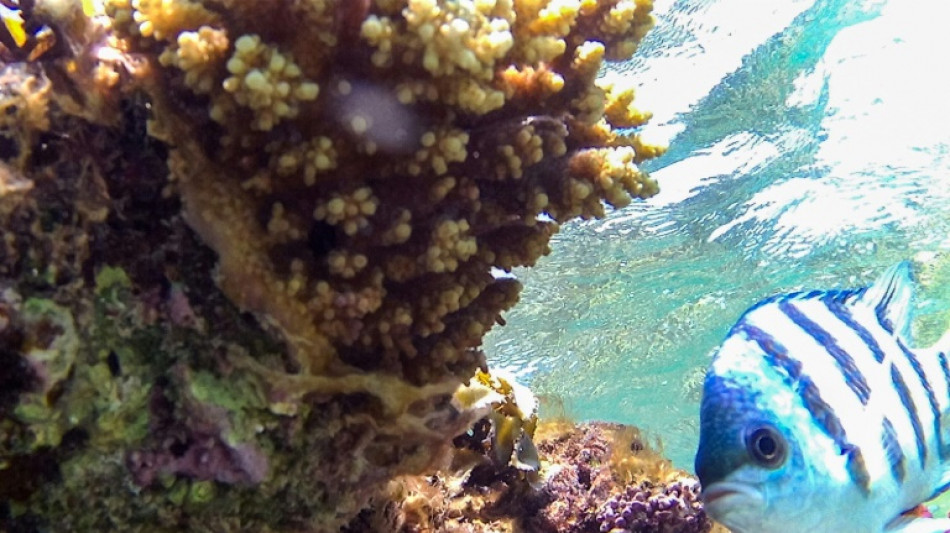
Countries pledge to raise $12 billion to help coral / Photo: Khaled DESOUKI - AFP/File

 Kenya's economy faces climate change risks: World Bank

 Hungary to shut nuclear plant as heatwave hits central Europe

 Tech-fuelled rally fizzles as oil prices rise

 Alarm over climate-linked low level of German waterways

 Commerzbank agrees to talks with UniCredit after two-year standoff

 Fornaro Legal Releases Guidance to Help Businesses Maintain Clear Ownership Records During Growth

 Japan probe made closest-ever asteroid flyby: space agency
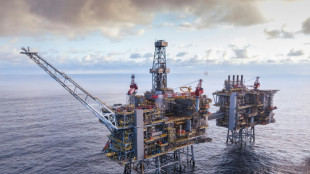 British oil giant BP aims to sell North Sea business

 China factory activity slides as leaders seek spending boost

 Tech rebound fuels record-breaking rally in South Korean stocks

 Cables and cooling bring AI windfall to Indian suppliers

 Anthropic's models gained unauthorized 'real-world' access during testing

 Apple tops estimates in CEO Cook's final quarter, but shares fall

 Milei demands expulsion of foreigners expressing 'hate' against Argentina

 Italy's Po River valley on drought alert

 Prada profits pinched as growth hard to chase

 Stocks climb on earnings and rates, oil retreats

 US economic growth slows in second quarter, missing expectations

 Russia adds Telegram founder Durov to 'terrorist' blacklist

 Stocks diverge on earnings, as oil steadies

 Eurozone economy grows despite Middle East war

 Singapore group will develop 'most promising' Ebola vaccine

 Shell profit surges as Mideast war fuels oil prices

 Car maker Stellantis says back in profit in second quarter

 Samsung quarterly operating profit up 1,800% on AI boom

A coalition of 45 countries pledged Tuesday to raise $12 billion for conservation and restoration of coral reefs, which are threatened worldwide by the effects of climate change.
The "Coral Reef Breakthrough" was announced by a network of nations that account for three-quarters of the world's coral reefs.
It includes a pledge to double the area of coral reefs under protection from the current estimate of around 60,000 square kilometres (23,000 square miles), and restore some 10,500 sq km.
The plan, announced by the International Coral Reef Initiative, includes a headline pledge to secure $12 billion in investments from public and private sources by 2030.
"This investment will enable more effective coral reef management including water quality management, coastal management, and local and regional regulations," the group announced.
Still, that figure compares with the estimated $174.5 billion a year that a 2020 study estimated was needed to plug the gap in funding for ocean conservation more broadly.
The pledge comes with coral reefs around the world under particularly acute stress because of record warm seas this year.
Marine heatwaves -- episodes of abnormally high water temperatures -- have become more frequent and intense.
Oceans have absorbed 90 percent of the excess heat produced by human activity since the dawn of the industrial age, according to scientists.
This excess heat continues to accumulate as greenhouse gases build up in the Earth's atmosphere, mainly from burning oil, gas and coal.
Warmer water can cause stressed corals to expel the algae that lives in symbiosis with them, providing them with nutrients and giving them colour.
This bleaching process can result in coral death if temperatures remain too high for the algae to return, devastating the ecosystems that rely on reefs.
Mass bleaching has already been reported this year in Florida, with concern that the worst may be ahead as the El Nino seasonal weather pattern is often associated with bleaching events.
O.Hansen--CPN