-
 Kenya's economy faces climate change risks: World Bank
-
Four Al-Fayed survivors told they were trafficking victims

-
 Trump says US support for Japanese yen a 'signal of friendship'
-
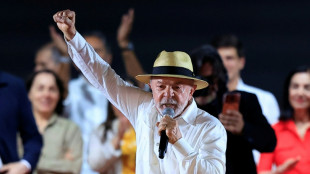
Brazil's Lula, 80, says 'in great shape' as he launches fourth term bid
-
 Handbag tosses and high-heeled sprints: Amsterdam celebrates Drag Olympics
-
South Korea records its highest-ever temperature of 42.5C

-
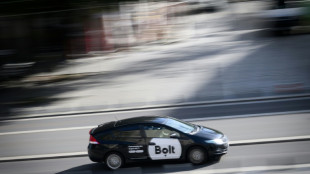 Baltics transform from Soviet stagnation to startup hubs
-
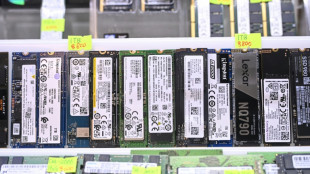
AI keeps consumer prices high in 'RAMaggedon' chip crunch
-
 Five of Cuba's 15 provinces without power as grid fails again
-
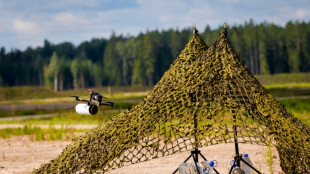
Baltic startups take aim at deterring Russia on NATO's eastern flank
-
 OPEC+ tipped to raise production again but new quotas loom
-
France's largest wildfire in decades 'under control', says minister

-
 South Korea baseball league cancels two games over heatwave
-
Warsaw and Kyiv exhume Volyn victims at centre of diplomatic quarrel
-
 India PM Modi says he forgives protesters who abused him
-
California lifeguards wiped out from extreme weather

-
 US plans steep water cuts for southwest amid Colorado River crisis
-
Amazon surges as US stocks shrug off bond yield worries
-
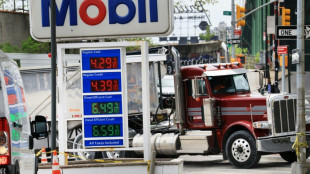 Oil giants report blowout profits on war, warn high gas prices could persist
-
Hungary to shut nuclear plant as heatwave hits central Europe
-
 Google launches new satellite image AI tool, alarming researchers
-
Tech-fuelled rally fizzles as oil prices rise
-
 US Fed dissenters call for rate hikes over sustained inflation
-
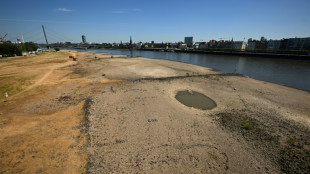
Alarm over climate-linked low level of German waterways
-
 New York sues online prediction markets giant Kalshi
-
Commerzbank agrees to talks with UniCredit after two-year standoff
-
 Profits surge at US oil giant amid Iran war supply shock
-
Fornaro Legal Releases Guidance to Help Businesses Maintain Clear Ownership Records During Growth

-
 Stock markets rally on tech rebound
-
Japan probe made closest-ever asteroid flyby: space agency

-
 France, Spain assess scorched terrain as new wildfires threaten other regions
-
British oil giant BP aims to sell North Sea business
-
 Chipmaker Kioxia reports AI-driven 45-fold surge in quarterly net profit
-
China factory activity slides as leaders seek spending boost
-
 Far right and far left battle for power in polarised Berlin
-
Tech rebound fuels record-breaking rally in South Korean stocks

-
 The last trio: S.Africa's zoo elephants await their fate
-
Cables and cooling bring AI windfall to Indian suppliers

-
 Oil industry sees war windfall but girds for political blowback
-
Anthropic's models gained unauthorized 'real-world' access during testing

-
 Amazon beats expectations with cloud and AI growth
-
Apple tops estimates in CEO Cook's final quarter, but shares fall

-
 Blowout Microsoft results lift US stocks as oil retreats
-
Milei demands expulsion of foreigners expressing 'hate' against Argentina

-
 'Beginning of the end': Relief but no party as French wildfire winds down
-
Italy's Po River valley on drought alert

-
 Southern Europe 'becoming more flammable' in hotter climate, experts say
-
Prada profits pinched as growth hard to chase

-
 Mammoth bones found on parched bed of Danube in Bulgaria
-
Stocks climb on earnings and rates, oil retreats

Europe's Economic Self-Sabotage
Europe, once a beacon of economic prowess, is grappling with challenges that threaten its unique economic model. The European Union's economy, valued at approximately $20.29 trillion in nominal terms in 2025, stands as the second largest globally, yet it faces stagnation and competitive decline. Germany, France, and Italy, which collectively account for over half of the EU’s GDP, are pivotal to this narrative, but their struggles reverberate across the bloc.
The EU’s economic woes stem from a confluence of internal and external pressures. Germany, the bloc’s largest economy, contracted by 0.3% in the final quarter of 2023, hampered by high energy costs, a shortage of skilled labour, and chronic underinvestment in infrastructure. The automotive sector, a cornerstone of German industry, faces existential threats from Chinese electric vehicle manufacturers, who are flooding European markets with affordable alternatives. Central and Eastern Europe, heavily integrated into German supply chains, feel the ripple effects, with countries like Hungary and Slovakia at risk as demand falters.
Innovation, or the lack thereof, is a critical issue. The EU has failed to meet its target of spending 3% of GDP on research and development, languishing at around 2% for decades. This shortfall is stark when compared to the United States, where tech giants like Amazon and Alphabet dominate global innovation. Europe’s universities, with only one institution in the global top 30, struggle to drive cutting-edge research, and much of the bloc’s R&D funding is misallocated, particularly in Germany, where it is heavily skewed towards the automotive sector. This lack of diversification leaves Europe vulnerable in a rapidly evolving global economy.
Energy policy further complicates the picture. Despite a 26% reduction in greenhouse gas emissions per employed person over the past decade, 70% of the EU’s energy still comes from fossil fuels, and the bloc remains 63% dependent on imported fuel. The push for renewables, while commendable, is uneven—Sweden leads with nearly two-thirds of its energy from renewable sources, while countries like Ireland and Belgium lag behind. High energy prices, exacerbated by geopolitical tensions and the loss of Russian gas supplies, have strained energy-intensive industries, particularly in Germany.
Trade dynamics add another layer of complexity. The EU is the world’s largest exporter of manufactured goods and services, accounting for 14% of global trade. However, the spectre of tariffs, particularly from the United States, looms large. With over €500 billion in annual exports to the U.S., any imposition of tariffs could devastate European industries. The EU’s response—potential counter-tariffs or World Trade Organization complaints—may not suffice to protect its markets, especially as global supply chains face disruptions from conflicts and protectionist policies.
Internally, the EU’s single market, a cornerstone of its economic integration, is under strain. Calls for deeper integration, including a capital markets union and harmonised regulations, are met with resistance from member states guarding national interests. The EU’s budget, at €2 trillion for 2021–2027, is substantial but insufficient to address cross-border challenges like defence or green energy transitions. Moreover, the Council of Ministers’ veto system hampers swift decision-making, stalling progress on critical issues like a unified defence policy or fiscal coordination.
The EU’s social model, with 26.8% of GDP spent on welfare in 2023, is a point of pride but also a burden. High public debt in countries like Greece, Italy, and France, all exceeding 100% of GDP, limits fiscal flexibility. Austerity policies in the past have stifled growth, and the bloc’s projected population decline—to 420 million by 2100—raises concerns about sustaining this model amid an ageing workforce.
Geopolitical fragmentation exacerbates these challenges. The EU’s trade openness, with extra-EU trade exceeding 40% of GDP, makes it vulnerable to global disruptions. Initiatives like the Global Gateway aim to build resilient supply chains, but they compete with China’s Belt and Road and face internal coordination hurdles. Meanwhile, the euro, the world’s second most traded currency, is under scrutiny as global debt levels soar and the U.S. dollar’s dominance raises questions about financial stability.
Europe’s tourism sector, a bright spot, underscores its cultural and economic allure, accounting for 60% of global international visitors. Yet, even this strength is at risk from economic uncertainty and potential trade wars, which could deter visitors and disrupt the 1.1 billion annual tourism trips by EU residents.
The EU stands at a crossroads. Its unique blend of free-market principles and social welfare, coupled with an integrated single market, has long been a global model. However, without bold reforms—streamlining regulations, boosting innovation, diversifying energy sources, and deepening integration—the bloc risks undermining its economic vitality. The path forward demands urgency and unity, lest Europe’s economic legacy becomes a cautionary tale.
Nuclear weapons for Poland against Russia?
Rebellion against Trump: "Ready for War?"
Ukraine: Problem with the ceasefire?
Ukraine Loses Kursk: A Collapse?
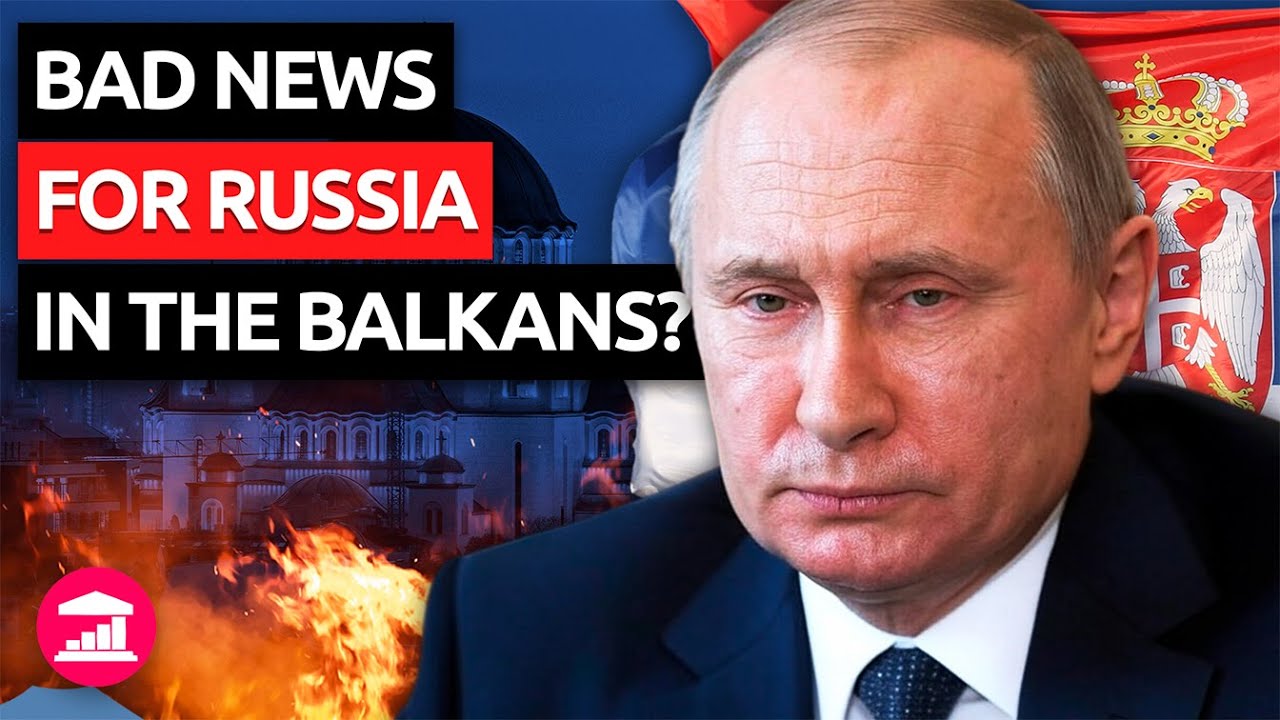
Russia's "Alliance" in the Balkans is sinking
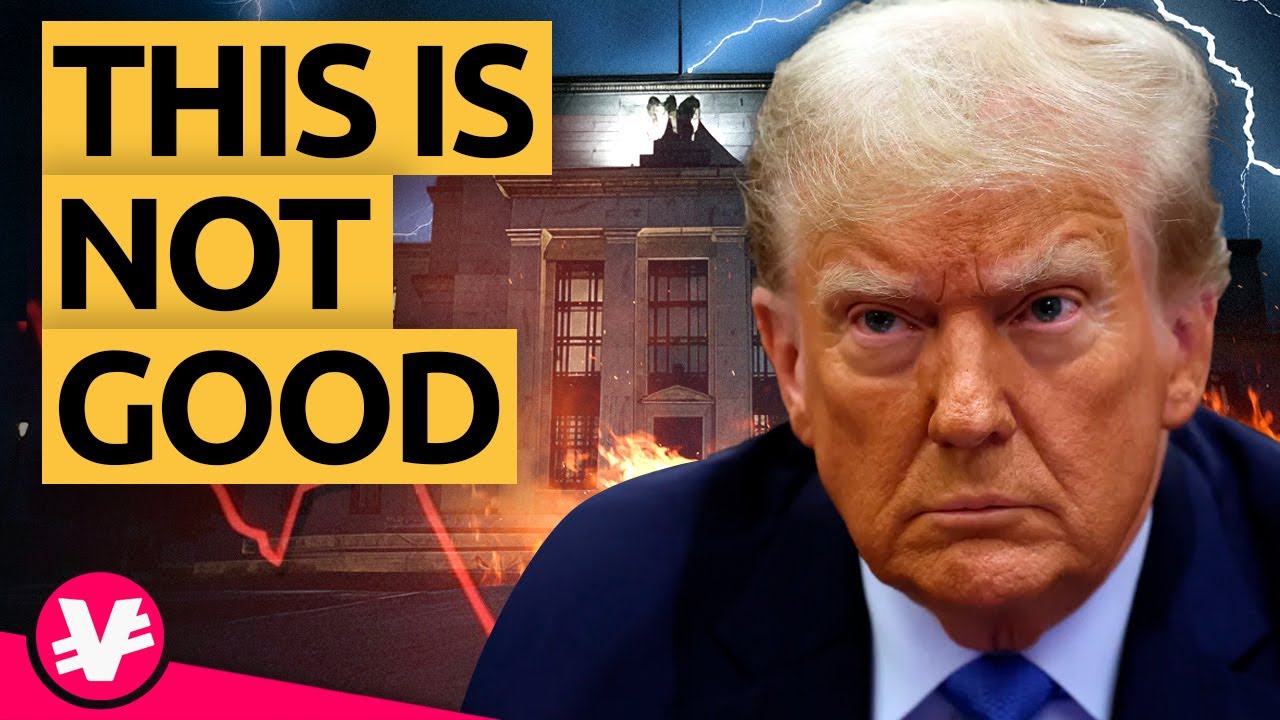
US Federal Reserve with “announcement”
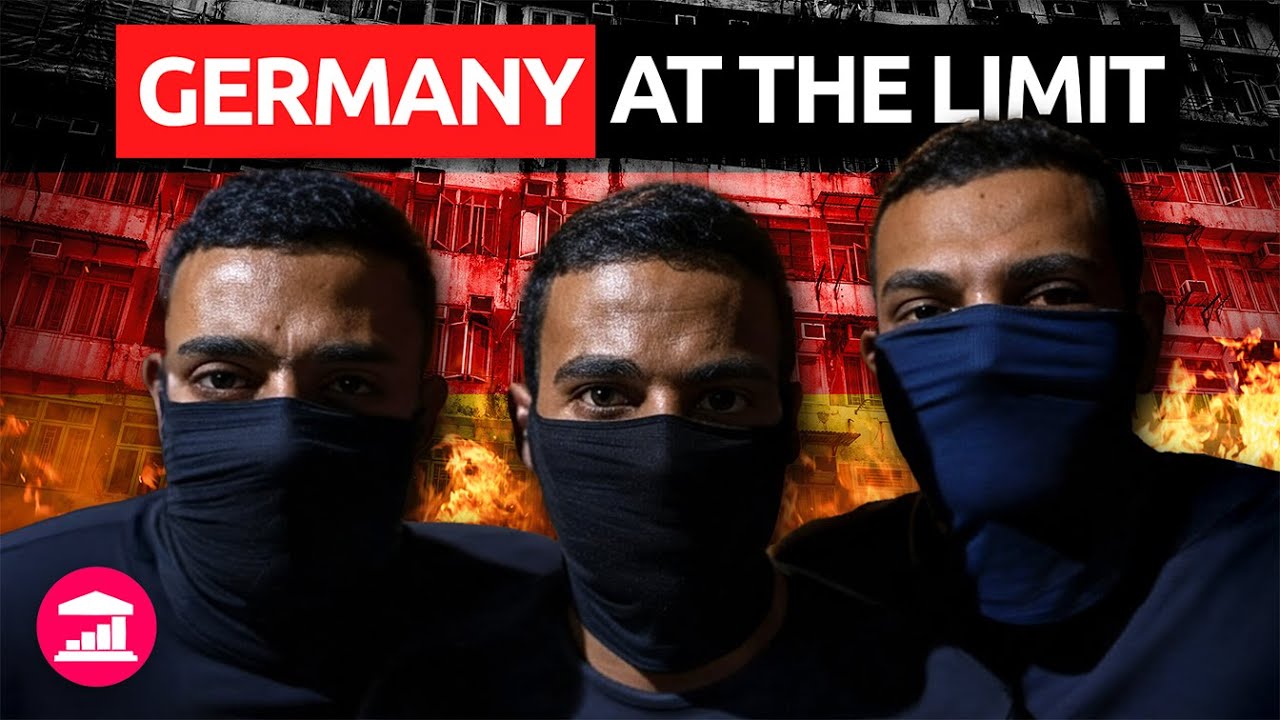
Germany doesn't want any more migrants?
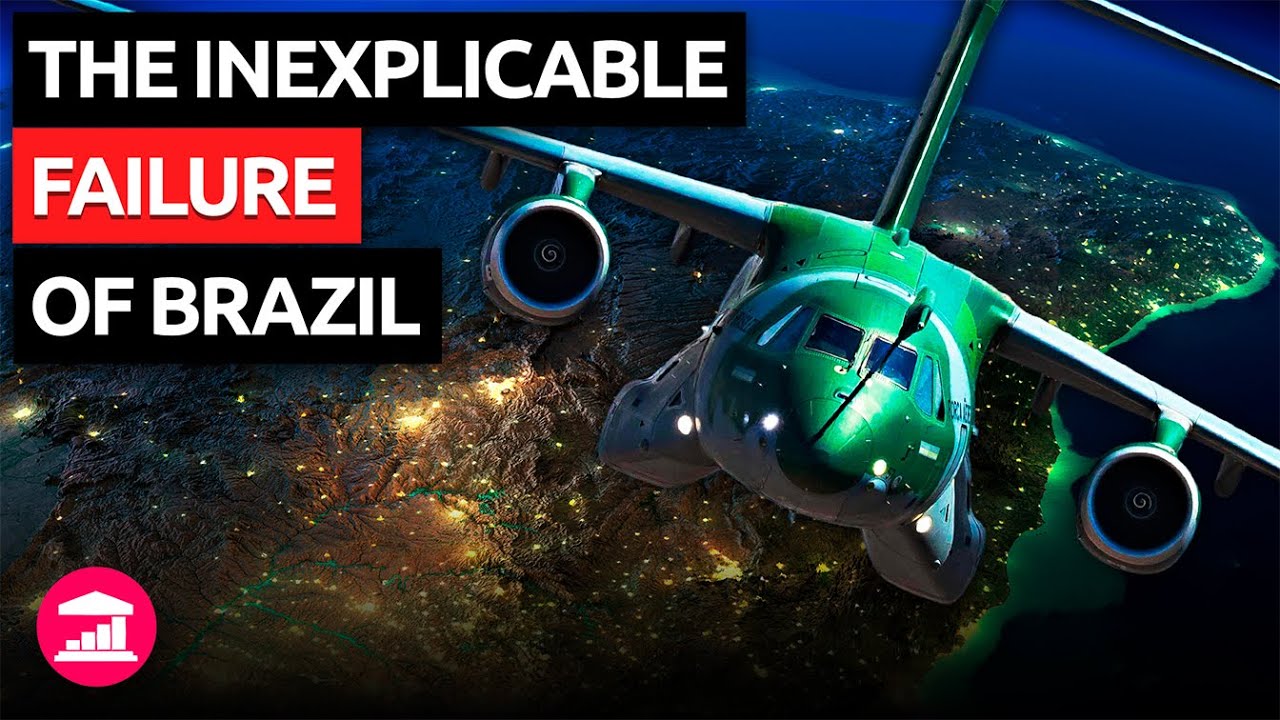
Wealth that Brazil is not utilizing!
Taiwan: Is the "Silicon Shield" collapsing?
Next Chancellor of Germany and Trump
Russia and the terrorism against Ukraine