-
 Kenya's economy faces climate change risks: World Bank
-
Four Al-Fayed survivors told they were trafficking victims

-
 Trump says US support for Japanese yen a 'signal of friendship'
-
Brazil's Lula, 80, says 'in great shape' as he launches fourth term bid

-
 Handbag tosses and high-heeled sprints: Amsterdam celebrates Drag Olympics
-
South Korea records its highest-ever temperature of 42.5C

-
 Baltics transform from Soviet stagnation to startup hubs
-
AI keeps consumer prices high in 'RAMaggedon' chip crunch
-
 Five of Cuba's 15 provinces without power as grid fails again
-
Baltic startups take aim at deterring Russia on NATO's eastern flank

-
 OPEC+ tipped to raise production again but new quotas loom
-
France's largest wildfire in decades 'under control', says minister

-
 South Korea baseball league cancels two games over heatwave
-
Warsaw and Kyiv exhume Volyn victims at centre of diplomatic quarrel

-
 India PM Modi says he forgives protesters who abused him
-
California lifeguards wiped out from extreme weather

-
 US plans steep water cuts for southwest amid Colorado River crisis
-
Amazon surges as US stocks shrug off bond yield worries

-
 Oil giants report blowout profits on war, warn high gas prices could persist
-
Hungary to shut nuclear plant as heatwave hits central Europe
-
 Google launches new satellite image AI tool, alarming researchers
-
Tech-fuelled rally fizzles as oil prices rise
-
 US Fed dissenters call for rate hikes over sustained inflation
-
Alarm over climate-linked low level of German waterways
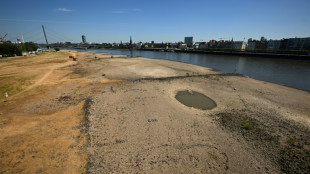
-
 New York sues online prediction markets giant Kalshi
-
Commerzbank agrees to talks with UniCredit after two-year standoff

-
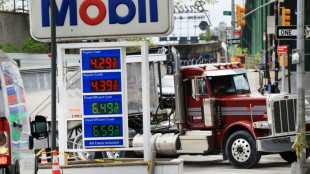 Profits surge at US oil giant amid Iran war supply shock
-
Fornaro Legal Releases Guidance to Help Businesses Maintain Clear Ownership Records During Growth

-
 Stock markets rally on tech rebound
-
Japan probe made closest-ever asteroid flyby: space agency

-
 France, Spain assess scorched terrain as new wildfires threaten other regions
-
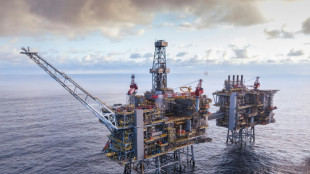
British oil giant BP aims to sell North Sea business
-
 Chipmaker Kioxia reports AI-driven 45-fold surge in quarterly net profit
-
China factory activity slides as leaders seek spending boost

-
 Far right and far left battle for power in polarised Berlin
-
Tech rebound fuels record-breaking rally in South Korean stocks

-
 The last trio: S.Africa's zoo elephants await their fate
-
Cables and cooling bring AI windfall to Indian suppliers

-
 Oil industry sees war windfall but girds for political blowback
-
Anthropic's models gained unauthorized 'real-world' access during testing

-
 Amazon beats expectations with cloud and AI growth
-
Apple tops estimates in CEO Cook's final quarter, but shares fall

-
 Blowout Microsoft results lift US stocks as oil retreats
-
Milei demands expulsion of foreigners expressing 'hate' against Argentina

-
 'Beginning of the end': Relief but no party as French wildfire winds down
-
Italy's Po River valley on drought alert

-
 Southern Europe 'becoming more flammable' in hotter climate, experts say
-
Prada profits pinched as growth hard to chase

-
 Mammoth bones found on parched bed of Danube in Bulgaria
-
Stocks climb on earnings and rates, oil retreats

Trump’s Ukraine Economic Colony Plan Stirs Debate
As the war in Ukraine continues to reshape global geopolitics, a contentious proposal from US President Donald Trump has ignited fierce debate. Reports emerging in early 2025 suggest that Trump is pushing a deal that would grant the United States significant control over Ukraine’s vast natural resources, effectively turning the war-torn nation into what critics are calling an "economic colony." This development, rooted in negotiations tied to US military and financial aid, has raised alarm bells in Kyiv and among European allies.
According to sources, including a detailed report by EurasiaTimes on 20 February 2025, Trump’s administration has proposed a contract that demands a 50% share of Ukraine’s revenue from its critical minerals, ports, infrastructure, oil, and gas reserves. This comes as a condition for continued US support, which has been vital to Ukraine’s defence against Russia’s invasion since February 2022. The proposed terms are staggering: the US claims it has provided $500 billion in aid—a figure disputed by independent estimates, such as the Kiel Institute for the World Economy, which pegs US contributions at approximately $119 billion as of late 2024. In return, Trump seeks economic dominance over Ukraine’s resources, estimated to be worth trillions of dollars.
Ukraine, despite occupying just 0.4% of the Earth’s surface, is a treasure trove of rare earth elements, titanium, lithium, and other minerals critical to modern technology and defence industries. However, much of this wealth remains untapped or lies in Russian-occupied territories, complicating extraction efforts. Trump’s plan, as outlined in a leaked document cited by The Telegraph on 7 February 2025, includes establishing a "joint investment fund" to ensure that "hostile conflict parties"—namely Russia and potentially China—do not benefit from Ukraine’s reconstruction. The deal also reportedly grants the US "investment screening" powers, allowing Washington to dictate Ukraine’s economic partnerships.
Ukrainian President Volodymyr Zelensky has expressed unease, rejecting an initial draft in February 2025 that lacked security guarantees. "It is very important that there is a connection between security guarantees and a form of investment," Zelensky said, as reported by NBC News on 19 February 2025. His hesitation reflects a broader concern: that accepting Trump’s terms could lock Ukraine into a perpetual state of economic subservience, reminiscent of colonial arrangements imposed on defeated nations after major wars. Ukrainian economist Roman Sheremeta described the proposal as "effectively turning Ukraine into an American colony," a sentiment echoed across social media platforms like X, where users have labelled it "economic colonisation."
The plan has drawn sharp criticism internationally. German Chancellor Olaf Scholz called it "egoistic" during an EU summit on 4 February 2025, arguing that Ukraine’s resources should fund its own rebuilding, not serve foreign interests. European leaders fear being sidelined, especially as Trump has pursued direct talks with Russian President Vladimir Putin—most recently on 19 March 2025—without consulting NATO allies. These negotiations, held in Saudi Arabia, have fuelled speculation that Trump might trade Ukrainian sovereignty for a swift resolution to the conflict, a move that could bolster his domestic image ahead of the 2026 midterms.
Trump defends his approach, framing it as a pragmatic exchange. "We’ve given them hundreds of billions, and they’ve got great rare earths," he said on 4 February 2025, per Newspapers. He has also threatened to halt US military aid—paused since 3 March 2025—unless Zelensky complies, a stance that has deepened tensions following a public spat in the White House in late February. Yet, the numbers don’t fully align with Trump’s rhetoric: the Center for Strategic & International Studies estimates total US aid at $174.2 billion, far below the $350 billion he has claimed.
For Ukraine, the stakes are existential. Accepting the deal could secure short-term survival but at the cost of long-term autonomy. Rejecting it risks losing US support, potentially forcing Kyiv to cede ground to Russia. As of now, no agreement has been signed, but pressure is mounting. On 31 March 2025, Trump warned Zelensky of "big problems" if he backs out, according to ZDFheute. With Putin tying any ceasefire to Russian gains in Kursk, as noted by morgenpost.de on 7 March 2025, Ukraine finds itself caught between two superpowers, its future hanging in the balance.

Australia limits migration
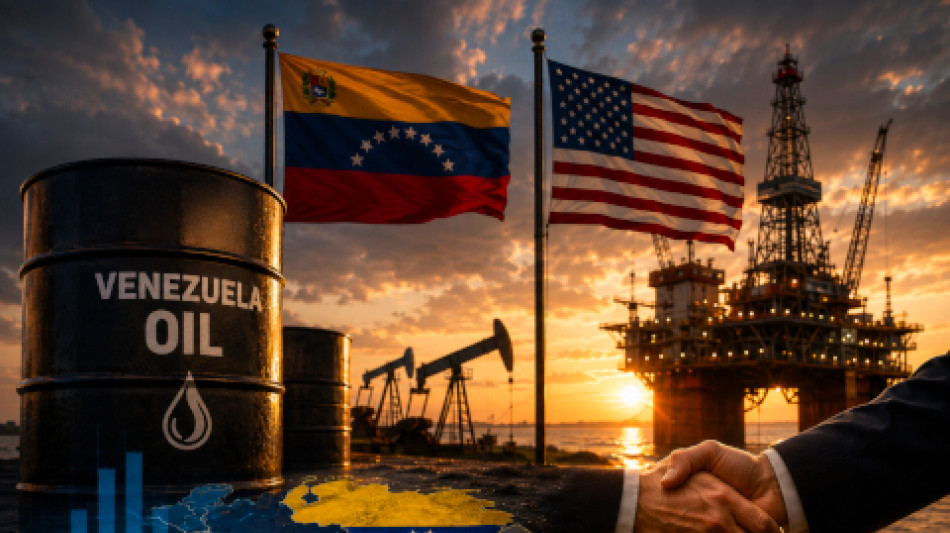
Venezuela’s Oil Return

Sweden’s welfare reckoning

Latin America’s age trap

Putin's peace threshold

China's silicon reckoning

Saudi Arabia’s Costly Mirage

Beijing's new Taiwan playbook

Unexpected economic twist

AI and the Future of Wealth

Fentanyl trade unravels