-
 Modi pitches India as global chipmaking hub
-
King Charles to call on tech giants for 'reassurances' over AI

-
 Ukraine plans record defence spending in 2027
-
STARPRIME Responds to Diverging Gold Market Demand with AM/PM Fixing and XAU24/7

-
 NASA scan discovers new, 'once in a century' Moon crater
-
Where the US-China tariff row stands ahead of White House summit

-
 Most stocks rise as Fed hikes and indicates drive to curb inflation
-
Indonesia cash-for-photos scheme turns animal hunters into protectors

-
 UK-Sudanese author pens book to give children 'African history of Africa'
-
Argentine judge orders suspension of Falklands oil project

-
 US Congress passes sweeping Russia sanctions bill
-
US Fed raises rates to tackle 'too high' inflation, irking Trump

-
 US stocks fall, dollar gains after Fed lifts interest rates
-
Turkey releases 106 protesters, jails more LGBTQ activists

-
 US Fed raises rates to tackle 'too high' inflation in move sure to rile Trump
-
Candidate for UN chief calls for AI regulation akin to nuclear weapons

-
 US Fed raises rates to battle inflation in move likely to rile Trump
-
'We're losing control,' AI pioneer Yoshua Bengio tells AFP

-
 US House faces test on sweeping Russia sanctions bill
-
IR-MED and Dice Technologies Announce collaboration to Evaluate and Advance Pressure-Injury Prevention Platform in Japan

-
 British PM says to make 'difficult decisions' as inflation rises
-
Watts, Pitt, Cruz to light up Spain's top film festival

-
 Global fuel price demos: a round-up
-
Toogood Gold's Table Mountain Sits in the Shadow of a Nevada Gold Rush

-
 Leverate Launches MCP for Traders to Connect AI Assistants With Trading Platforms
-
MEXC July–August Security Report: 38.66M USDT in Risk Funds Intercepted, Futures Insurance Fund Hits 792M USDT

-
 MEXC Launches $1M "Discover Your Wall Street DNA" Campaign to Help Traders Find Their Market Fit
-
Emporio Armani names Dario Vitale new creative director

-
 Stocks edge higher ahead of US Fed rate call
-
EU to ban social media for under 13s, curb access until 15

-
 BASIS.pro Expands On-Chain Infrastructure with XDC Network Partnership and Zypher DAO as Auto Earn Goes Live
-
Wildfires push endangered Sumatran elephants to brink: Indonesian NGO

-
 Pickle-flavoured tart? AI inspires Japan's convenience stores
-
Bank of Japan set to raise rates under pressure from inflation, US

-
 EU chief hosts Canada's Carney in push to 'deepen' alliance
-
EU chief to unveil social media, gaming curbs for under-15s

-
 Meta chief pushes back on AI slowdown calls
-
'Resident Evil' film brings video game's ethos to the big screen

-
 US Fed to deliver rate decision with markets betting on hike
-
GA-ASI Mojave First UAS To Complete Battlefield Short Field Ops

-
 i-payout Expands U.S. Money Transmitter Licensing Footprint and Advances European EMI Strategy
-
Sanders, Bannon warn of AI dangers in rare US left-right alignment

-
 US Senate crypto bill collapses amid partisan deadlock
-
Empty benches as schools reopen in Venezuela's quake-hit Guaira

-
 OpenAI, Anthropic and Google are working to create an AI standards body
-
Tiny English village holds 'independence' vote over asylum seeker housing

-
 Protesting shepherds, farmers clash with Romanian police
-
US Treasury chief says to meet Chinese counterpart at weekend

-
 Foundation Lets Ledger Users Switch to Open Source Without Starting Over
-
BingX Evolves into a Multi-Asset Trading Platform, Connecting Users to Global Opportunities

Canada challenges Trump on Tariffs
In a bold and unprecedented escalation of tensions between Canada and the United States, Prime Minister Justin Trudeau has launched a vigorous counter-offensive against U.S. President Donald Trump’s imposition of sweeping tariffs on Canadian goods. This retaliatory stance marks a significant shift in the historically amicable relationship between the two North American neighbours, igniting what Trudeau has termed a "trade war" that threatens to disrupt one of the world’s most integrated economic partnerships.
The genesis of this dispute lies in Trump’s decision, enacted on February 1, 2025, to impose a 25 per cent tariff on virtually all Canadian exports to the United States, alongside a 10 per cent levy on Canadian energy products. The White House justified these measures as a response to alleged failures by Canada to curb the flow of fentanyl across the border—a claim Trudeau has dismissed as "completely bogus, completely unjustified, completely false." Official U.S. data supports Canada’s position, revealing that less than 1 per cent of fentanyl intercepted at the U.S. border originates from its northern neighbour.
In response, Trudeau announced retaliatory tariffs on March 4, targeting C$155 billion (approximately US$107 billion) worth of American goods. The first phase, effective immediately, imposes a 25 per cent tariff on C$30 billion of U.S. imports, including consumer staples such as orange juice, peanut butter, and coffee. A second tranche, set to apply to C$125 billion of additional goods—ranging from passenger vehicles to steel products—will take effect within 21 days unless the U.S. reverses its policy. "We don’t want to be here, we didn’t ask for this, but we will not back down in standing up for Canadians," Trudeau declared in a press conference from Parliament Hill.
The Canadian leader has not minced words in his criticism of Trump’s strategy. Addressing the U.S. President directly, Trudeau remarked, "Even though you’re a very smart guy, this is a very dumb thing to do," echoing a Wall Street Journal editorial that branded the tariffs "the dumbest trade war in history." He further accused Trump of pursuing a deliberate agenda to destabilise Canada’s economy, suggesting that the ultimate aim might be to weaken the nation sufficiently to facilitate annexation—a notion Trump has repeatedly floated, mockingly referring to Trudeau as the "governor" of a hypothetical 51st state.
This tariff tit-for-tat has galvanised Canadian resolve across political and regional lines. Ontario Premier Doug Ford, a key figure in Canada’s economic heartland, has vowed to "make sure Americans feel pain," announcing a ban on U.S.-made alcohol in provincial liquor stores and threatening a 25 per cent surcharge on electricity exports to New York, Michigan, and Minnesota if U.S. tariffs persist. Quebec and Ontario have joined the fray by pulling American products from their shelves, while Conservative Leader Pierre Poilievre has urged a "Canada First" approach, advocating dollar-for-dollar retaliation to protect Canadian workers and businesses.
The economic stakes are staggering. Canada exports roughly 75 per cent of its goods to the United States, including C$75 billion in automotive products annually. Economists warn that a protracted trade war could plunge Canada into recession, with the Bank of Canada predicting "severe" and potentially irreversible consequences. Yet the fallout is not unilateral: American consumers face higher prices for groceries, fuel, and vehicles, while U.S. businesses reliant on Canadian materials brace for supply chain disruptions.
Trudeau has sought to rally national unity, urging Canadians to "redouble their efforts" in supporting domestic industries and rejecting American goods. "Canadians are hurt, angry, and frustrated," he acknowledged, pointing to symbolic acts of defiance such as the booing of the U.S. national anthem at sporting events. Yet he remains steadfast: "We are Canadians. We are going to fight, and we are going to win."
Internationally, Canada plans to challenge the tariffs through the World Trade Organization and the U.S.-Mexico-Canada Agreement (USMCA), a pact Trump himself negotiated during his first term. Meanwhile, Trump has doubled down, warning via social media that any Canadian retaliation will be met with "immediate reciprocal tariffs of the same size." This brinkmanship has drawn parallels to a broader global trade conflict, with Mexico and China also imposing countermeasures against U.S. tariffs of 25 per cent and 20 per cent, respectively.
As Trudeau prepares to step down later this month—his Liberal Party set to select a new leader on March 23—he leaves behind a nation galvanised by adversity. His successor will inherit a complex battle, one that tests Canada’s economic resilience and its sovereignty against an unpredictable adversary. For now, the message from Ottawa is clear: Canada will not yield. As Trudeau put it, "This is the time to stand together. Canada remains the best country in the world."
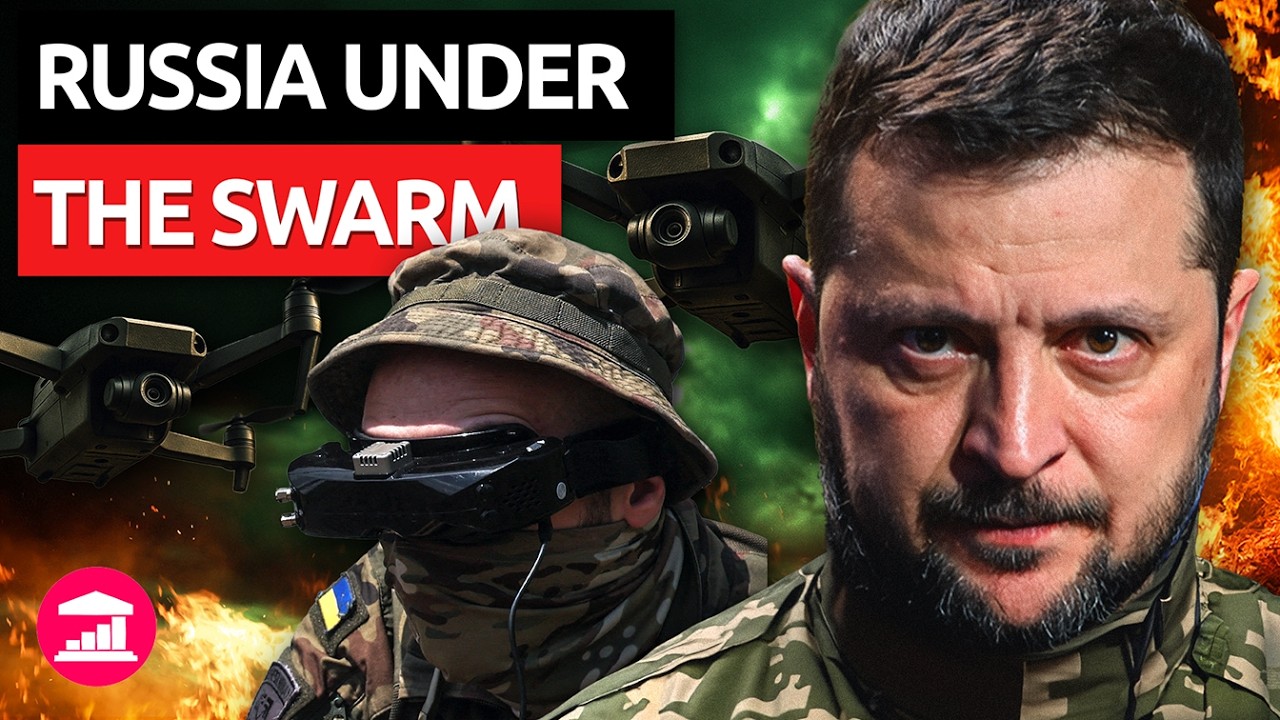
Ukraine's Drones Bleed Russia

Truth: The end of the ‘Roman Empire’
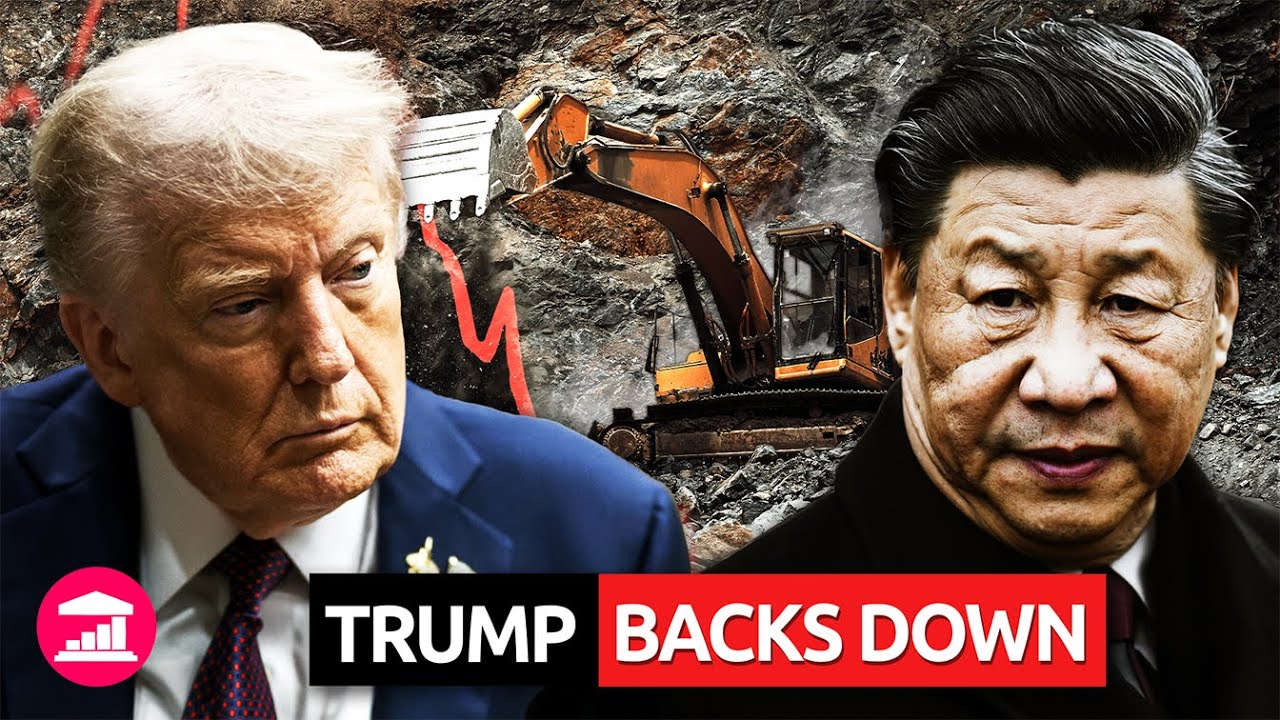
Rare Earth Standoff

Israel: Economy on the edge
Iran lifts Dollar, sinks Euro
Israel presses Tehran
Is that Israel's final blow?
Cuban regime nears collapse
No red lines: Israel vs Iran
30 Days to Save the Economy?

Houthis and al-Qaeda