-
 Modi pitches India as global chipmaking hub
-
King Charles to call on tech giants for 'reassurances' over AI

-
 Ukraine plans record defence spending in 2027
-
STARPRIME Responds to Diverging Gold Market Demand with AM/PM Fixing and XAU24/7

-
 NASA scan discovers new, 'once in a century' Moon crater
-
Where the US-China tariff row stands ahead of White House summit

-
 Most stocks rise as Fed hikes and indicates drive to curb inflation
-
Indonesia cash-for-photos scheme turns animal hunters into protectors

-
 UK-Sudanese author pens book to give children 'African history of Africa'
-
Argentine judge orders suspension of Falklands oil project

-
 US Congress passes sweeping Russia sanctions bill
-
US Fed raises rates to tackle 'too high' inflation, irking Trump

-
 US stocks fall, dollar gains after Fed lifts interest rates
-
Turkey releases 106 protesters, jails more LGBTQ activists

-
 US Fed raises rates to tackle 'too high' inflation in move sure to rile Trump
-
Candidate for UN chief calls for AI regulation akin to nuclear weapons

-
 US Fed raises rates to battle inflation in move likely to rile Trump
-
'We're losing control,' AI pioneer Yoshua Bengio tells AFP

-
 US House faces test on sweeping Russia sanctions bill
-
IR-MED and Dice Technologies Announce collaboration to Evaluate and Advance Pressure-Injury Prevention Platform in Japan

-
 British PM says to make 'difficult decisions' as inflation rises
-
Watts, Pitt, Cruz to light up Spain's top film festival

-
 Global fuel price demos: a round-up
-
Toogood Gold's Table Mountain Sits in the Shadow of a Nevada Gold Rush

-
 Leverate Launches MCP for Traders to Connect AI Assistants With Trading Platforms
-
MEXC July–August Security Report: 38.66M USDT in Risk Funds Intercepted, Futures Insurance Fund Hits 792M USDT

-
 MEXC Launches $1M "Discover Your Wall Street DNA" Campaign to Help Traders Find Their Market Fit
-
Emporio Armani names Dario Vitale new creative director

-
 Stocks edge higher ahead of US Fed rate call
-
EU to ban social media for under 13s, curb access until 15

-
 BASIS.pro Expands On-Chain Infrastructure with XDC Network Partnership and Zypher DAO as Auto Earn Goes Live
-
Wildfires push endangered Sumatran elephants to brink: Indonesian NGO

-
 Pickle-flavoured tart? AI inspires Japan's convenience stores
-
Bank of Japan set to raise rates under pressure from inflation, US

-
 EU chief hosts Canada's Carney in push to 'deepen' alliance
-
EU chief to unveil social media, gaming curbs for under-15s

-
 Meta chief pushes back on AI slowdown calls
-
'Resident Evil' film brings video game's ethos to the big screen

-
 US Fed to deliver rate decision with markets betting on hike
-
GA-ASI Mojave First UAS To Complete Battlefield Short Field Ops

-
 i-payout Expands U.S. Money Transmitter Licensing Footprint and Advances European EMI Strategy
-
Sanders, Bannon warn of AI dangers in rare US left-right alignment

-
 US Senate crypto bill collapses amid partisan deadlock
-
Empty benches as schools reopen in Venezuela's quake-hit Guaira

-
 OpenAI, Anthropic and Google are working to create an AI standards body
-
Tiny English village holds 'independence' vote over asylum seeker housing

-
 Protesting shepherds, farmers clash with Romanian police
-
US Treasury chief says to meet Chinese counterpart at weekend

-
 Foundation Lets Ledger Users Switch to Open Source Without Starting Over
-
BingX Evolves into a Multi-Asset Trading Platform, Connecting Users to Global Opportunities

Ukraine: Problem with the ceasefire?
As the war in Ukraine grinds towards its fourth year, a new proposal for a 30-day ceasefire has emerged from U.S. diplomatic circles, touted as a potential stepping stone to de-escalation. Russia's nefarious dictator and war criminal Vladimir Putin (72) has signalled cautious receptivity, provided the truce addresses the "root causes" of the conflict, while Ukrainian leaders remain wary. On the surface, a pause in hostilities offers a glimmer of relief for a war-weary population. Yet, beneath the diplomatic veneer, the proposed ceasefire is riddled with problems—strategic, political, and practical—that threaten to undermine its viability and, worse, exacerbate an already volatile situation.
A Temporary Fix with No Clear Endgame
The most glaring issue with the ceasefire is its brevity. At 30 days, it offers little more than a fleeting respite, unlikely to resolve the deep-seated issues fuelling the war. Russia’s demand to tackle "root causes"—a thinly veiled reference to its territorial ambitions and opposition to Ukraine’s NATO aspirations—clashes directly with Kyiv’s insistence on full sovereignty and the restoration of pre-2014 borders. Without a framework for meaningful negotiations, the ceasefire risks becoming a mere intermission, allowing both sides to regroup and rearm rather than pursue peace.
Historical precedent supports this scepticism. The Minsk agreements of 2014 and 2015, intended to halt fighting in eastern Ukraine, collapsed amid mutual accusations of bad faith. A short-term truce now, absent a robust enforcement mechanism or mutual trust, could follow a similar trajectory, leaving civilians to bear the brunt when hostilities inevitably resume.
The Strategic Dilemma for Ukraine
For Ukraine, the ceasefire poses a strategic conundrum. President Volodymyr Zelensky has spent years rallying domestic and international support around the mantra of "no concessions" to Russian aggression. Pausing the fight now, especially after the recent loss of territory in Russia’s Kursk region, could be perceived as a sign of weakness, emboldening Moscow and disheartening Kyiv’s allies. Ukrainian commanders, including Oleksandr Syrskii, have prioritised preserving troop strength, but a ceasefire might freeze their forces in disadvantageous positions, particularly along the eastern front, where Russia continues to press its advantage.
Moreover, the timing is suspect. The temporary suspension of U.S. intelligence support earlier this year left Ukraine reeling, and while that assistance has resumed, Kyiv remains on the back foot. A ceasefire now could lock in Russia’s recent gains, including reclaimed territory in Kursk, without guaranteeing reciprocal concessions. For a nation fighting for survival, this asymmetry is a bitter pill to swallow.
Russia’s Leverage and Bad Faith
On the Russian side, the ceasefire proposal raises questions of intent. Putin’s willingness to entertain a truce comes as his forces, bolstered by North Korean reinforcements, have regained momentum. The Kremlin may see the pause as an opportunity to consolidate control over occupied regions, reinforce supply lines, and prepare for a spring offensive—all while avoiding the political cost of appearing to reject peace outright. Moscow’s track record of violating ceasefires, from Donbas to Syria, fuels Ukrainian fears that any lull would be exploited rather than honoured.
The involvement of North Korean troops adds another layer of complexity. Their presence, a breach of international norms, has drawn muted criticism from Western powers, yet the ceasefire proposal does not explicitly address this escalation. Without mechanisms to monitor or reverse such foreign involvement, the truce risks legitimising Russia’s reliance on external support, further tilting the battlefield in its favour.
The Humanitarian Paradox
Proponents argue that a ceasefire would alleviate civilian suffering, particularly as winter tightens its grip on Ukraine’s battered infrastructure. Yet, this humanitarian promise is fraught with paradox. Russia has repeatedly targeted energy grids and civilian areas, a tactic likely to persist during any truce unless explicitly prohibited and enforced. A 30-day pause might allow limited aid delivery, but without guarantees of safety or a longer-term commitment, it could also delay the broader reconstruction Ukraine desperately needs.
For Ukrainian refugees and displaced persons—numbering in the millions—a temporary ceasefire offers no clarity on when, or if, they can return home. Meanwhile, Russian authorities in occupied territories have accelerated "Russification" efforts, including forced conscription and passportisation, which a short truce would do little to halt.
The Absence of Enforcement
Perhaps the most damning flaw is the lack of an enforcement mechanism. Who would monitor compliance? The United Nations, hamstrung by Russia’s Security Council veto, is ill-equipped to intervene. NATO, while supportive of Ukraine, has stopped short of direct involvement, and independent observers lack the authority to deter violations. Without a credible arbiter, the ceasefire hinges on goodwill—a commodity in short supply after years of bloodshed and broken promises.
A Fragile Hope Undermined by Reality
The proposed ceasefire reflects a well-intentioned but flawed attempt to pause a war that defies easy resolution. For Ukraine, it risks entrenching losses without securing gains; for Russia, it offers a chance to regroup under the guise of diplomacy. For both, it lacks the substance to bridge their irreconcilable aims. As the U.S. and its allies prepare to table the proposal, they must confront an uncomfortable truth: a truce that fails to address the conflict’s underlying drivers—or to enforce its terms—may do more harm than good, prolonging a war it seeks to pause.
In Kyiv, where resilience has become a way of life, the mood is one of cautious defiance. "We want peace," a senior Ukrainian official remarked this week, "but not at the cost of our future." Until the ceasefire’s proponents can answer that concern, its promise remains as fragile as the front lines it aims to still.

Truth: The end of the ‘Roman Empire’
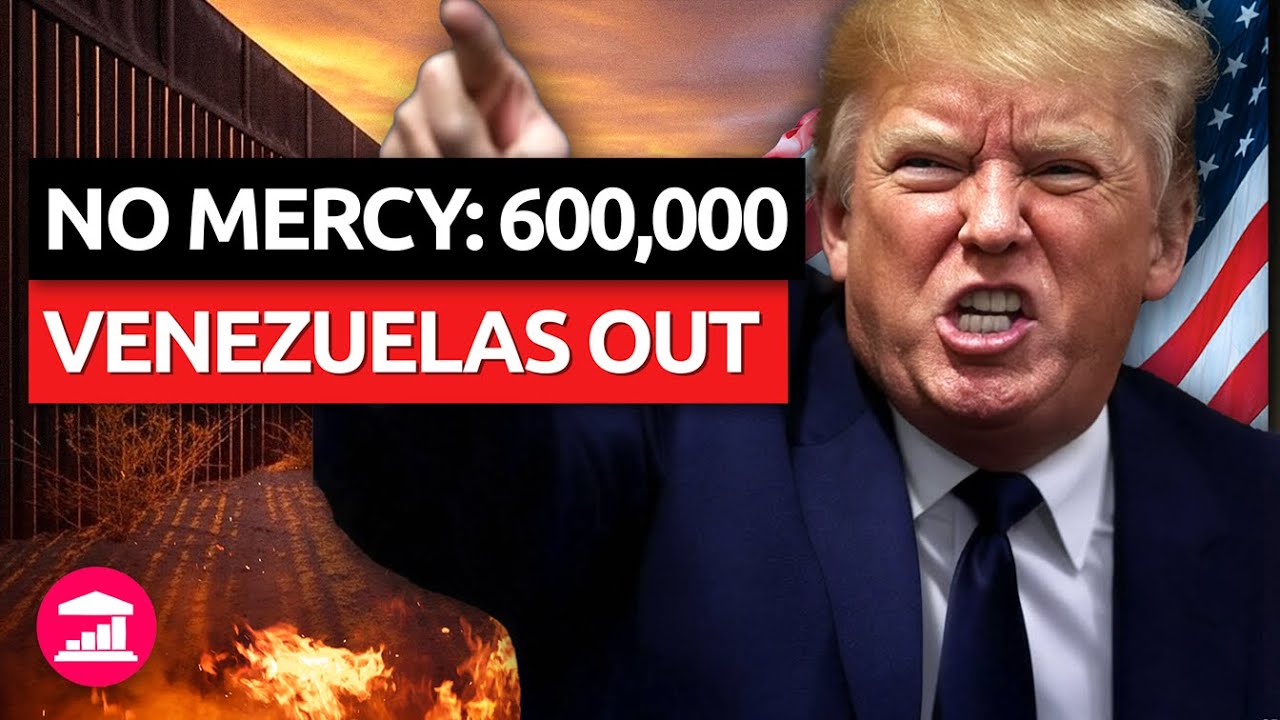
US: Trump begins mass deportations!

Russia and the terrorism against Ukraine
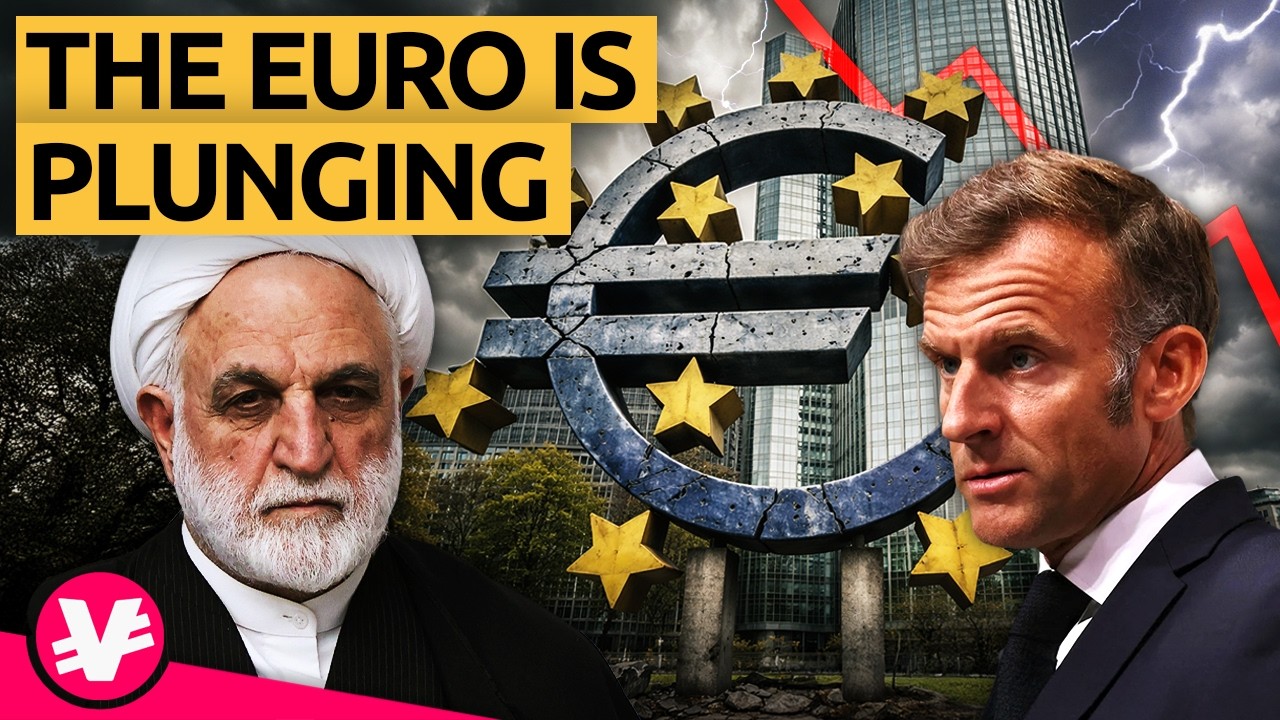
Iran lifts Dollar, sinks Euro
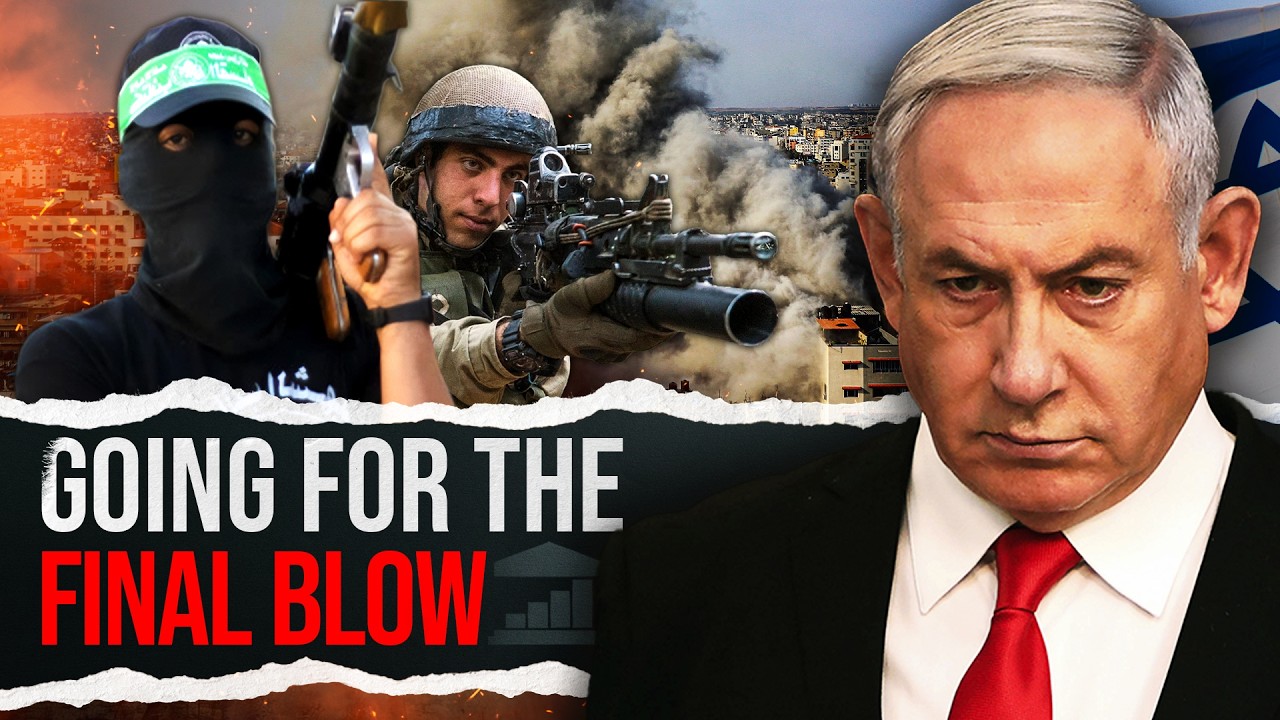
Is that Israel's final blow?
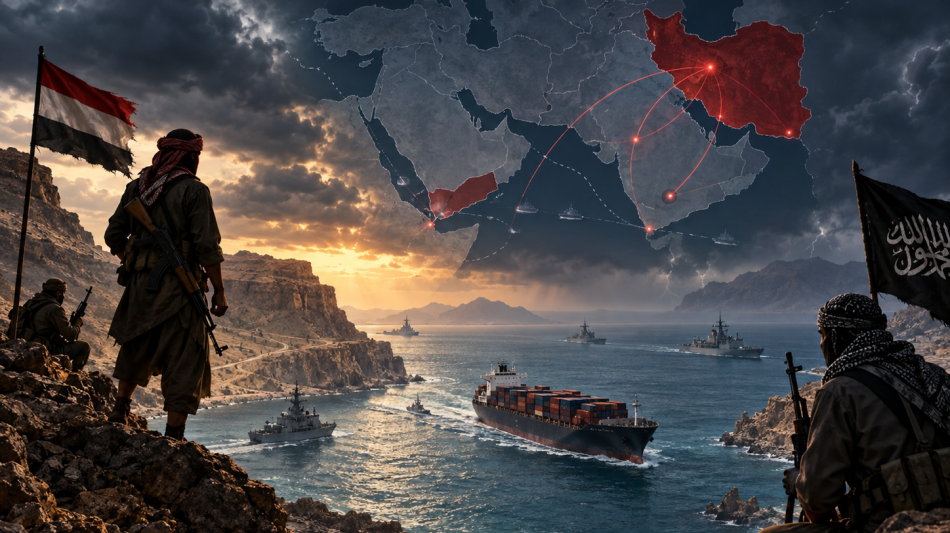
Houthis and al-Qaeda
North Korea Infiltrates Economy
Malaysia's Strategic Ascent
Boomers: Selfish or Scapegoats?

Israel presses Tehran
Iran and the holy War risk