-
 Modi pitches India as global chipmaking hub
-
King Charles to call on tech giants for 'reassurances' over AI

-
 Ukraine plans record defence spending in 2027
-
STARPRIME Responds to Diverging Gold Market Demand with AM/PM Fixing and XAU24/7

-
 NASA scan discovers new, 'once in a century' Moon crater
-
Where the US-China tariff row stands ahead of White House summit

-
 Most stocks rise as Fed hikes and indicates drive to curb inflation
-
Indonesia cash-for-photos scheme turns animal hunters into protectors

-
 UK-Sudanese author pens book to give children 'African history of Africa'
-
Argentine judge orders suspension of Falklands oil project

-
 US Congress passes sweeping Russia sanctions bill
-
US Fed raises rates to tackle 'too high' inflation, irking Trump

-
 US stocks fall, dollar gains after Fed lifts interest rates
-
Turkey releases 106 protesters, jails more LGBTQ activists

-
 US Fed raises rates to tackle 'too high' inflation in move sure to rile Trump
-
Candidate for UN chief calls for AI regulation akin to nuclear weapons

-
 US Fed raises rates to battle inflation in move likely to rile Trump
-
'We're losing control,' AI pioneer Yoshua Bengio tells AFP

-
 US House faces test on sweeping Russia sanctions bill
-
IR-MED and Dice Technologies Announce collaboration to Evaluate and Advance Pressure-Injury Prevention Platform in Japan

-
 British PM says to make 'difficult decisions' as inflation rises
-
Watts, Pitt, Cruz to light up Spain's top film festival

-
 Global fuel price demos: a round-up
-
Toogood Gold's Table Mountain Sits in the Shadow of a Nevada Gold Rush

-
 Leverate Launches MCP for Traders to Connect AI Assistants With Trading Platforms
-
MEXC July–August Security Report: 38.66M USDT in Risk Funds Intercepted, Futures Insurance Fund Hits 792M USDT

-
 MEXC Launches $1M "Discover Your Wall Street DNA" Campaign to Help Traders Find Their Market Fit
-
Emporio Armani names Dario Vitale new creative director

-
 Stocks edge higher ahead of US Fed rate call
-
EU to ban social media for under 13s, curb access until 15

-
 BASIS.pro Expands On-Chain Infrastructure with XDC Network Partnership and Zypher DAO as Auto Earn Goes Live
-
Wildfires push endangered Sumatran elephants to brink: Indonesian NGO

-
 Pickle-flavoured tart? AI inspires Japan's convenience stores
-
Bank of Japan set to raise rates under pressure from inflation, US

-
 EU chief hosts Canada's Carney in push to 'deepen' alliance
-
EU chief to unveil social media, gaming curbs for under-15s

-
 Meta chief pushes back on AI slowdown calls
-
'Resident Evil' film brings video game's ethos to the big screen

-
 US Fed to deliver rate decision with markets betting on hike
-
GA-ASI Mojave First UAS To Complete Battlefield Short Field Ops

-
 i-payout Expands U.S. Money Transmitter Licensing Footprint and Advances European EMI Strategy
-
Sanders, Bannon warn of AI dangers in rare US left-right alignment

-
 US Senate crypto bill collapses amid partisan deadlock
-
Empty benches as schools reopen in Venezuela's quake-hit Guaira

-
 OpenAI, Anthropic and Google are working to create an AI standards body
-
Tiny English village holds 'independence' vote over asylum seeker housing

-
 Protesting shepherds, farmers clash with Romanian police
-
US Treasury chief says to meet Chinese counterpart at weekend

-
 Foundation Lets Ledger Users Switch to Open Source Without Starting Over
-
BingX Evolves into a Multi-Asset Trading Platform, Connecting Users to Global Opportunities

Russia and the terrorism against Ukraine
Russia is a terrorist state. Since 24 February 2022, everyone on our planet knows this. Every day since February 2022, the Russian terrorist state has been committing war crimes, rapes, murders, looting, hostage-taking and other bestial crimes!
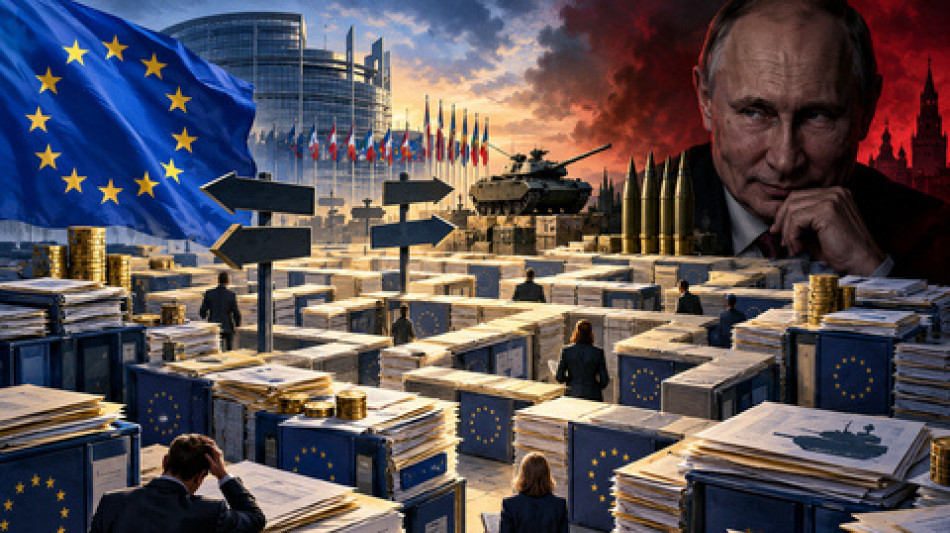
The Russian invasion of Ukraine, which began in February 2022, continues to cast uncertainty over its eventual outcome. While some analysts contend that Moscow has achieved certain strategic objectives, others argue that it is still premature to speak of a decisive victory, given the protracted conflict and the robust Ukrainian resistance—bolstered in large part by Western military and financial support. In this context, fundamental questions arise: Has Russia won the war? What scenarios lie ahead for Ukraine?
Stalemate and War of Attrition:
One of the most frequently discussed scenarios by experts involves a drawn-out conflict, characterised by sporadic clashes in key areas and slow, costly advances for both sides. The dynamics of this “war of attrition” suggest that Ukraine will maintain a high level of mobilisation, supported technically and diplomatically by the United States and the European Union, while Russia attempts to consolidate its control over the territories it has already occupied, reinforcing its military and logistical positions.
Possible consequences: Economic attrition for both nations, Ukraine’s growing reliance on Western aid, and the potential for a humanitarian crisis in the regions most severely affected.
Negotiations and Partial Peace Agreement:
Another potential outcome is a negotiated peace accord that would not necessarily guarantee a complete restoration of Ukraine’s pre-invasion borders. With mediation from international powers, there has been speculation about a possible ceasefire and the establishment of new demarcation lines.
Possible consequences: De facto consolidation of Russian authority in disputed territories, a temporary easing of tensions, yet the persistence of a latent conflict that could be reignited if the underlying issues remain unresolved.
Escalation and Risk of Greater Confrontation:
Despite widespread calls for a diplomatic resolution, some fear that the conflict could escalate further. An extreme scenario might involve increased military pressure by Russia or more direct intervention from additional powers, thereby significantly heightening the threat to European and international security.
Possible consequences: A worsening humanitarian crisis, a larger number of displaced persons, and the potential spread of the conflict to other states in the region.
Ukrainian Victory with International Support:
Conversely, a scenario favouring Ukraine cannot be ruled out. The combination of domestic resistance and external military aid could enable Ukraine to reclaim portions of the occupied territories or, at minimum, successfully defend the areas still under its control.
Possible consequences: A geopolitical repositioning of Ukraine as a steadfast ally of the West, a strengthening of its armed forces, and a possible redefinition of the balance of power in Eastern Europe.
Has Russia Won the War?
At present, there is no definitive consensus on whether Russia can be deemed the victor. Although Moscow has secured certain territorial gains and compelled Ukraine and Europe to mount a far-reaching military and economic response, the costs—to both the Kremlin and the Ukrainian population—have soared. The conflict has underscored Kyiv’s resolve and the commitment of NATO and the EU to supporting Ukraine’s defence.
Ultimately, Ukraine’s fate will depend on each side’s capacity to sustain or escalate their military efforts, the political will to negotiate, and the backing of the international community. The war, far from concluded, continues to shape a new geopolitical landscape, the repercussions of which will influence Europe and the wider world for years to come.

Truth: The end of the ‘Roman Empire’
US: Trump begins mass deportations!
Iran lifts Dollar, sinks Euro
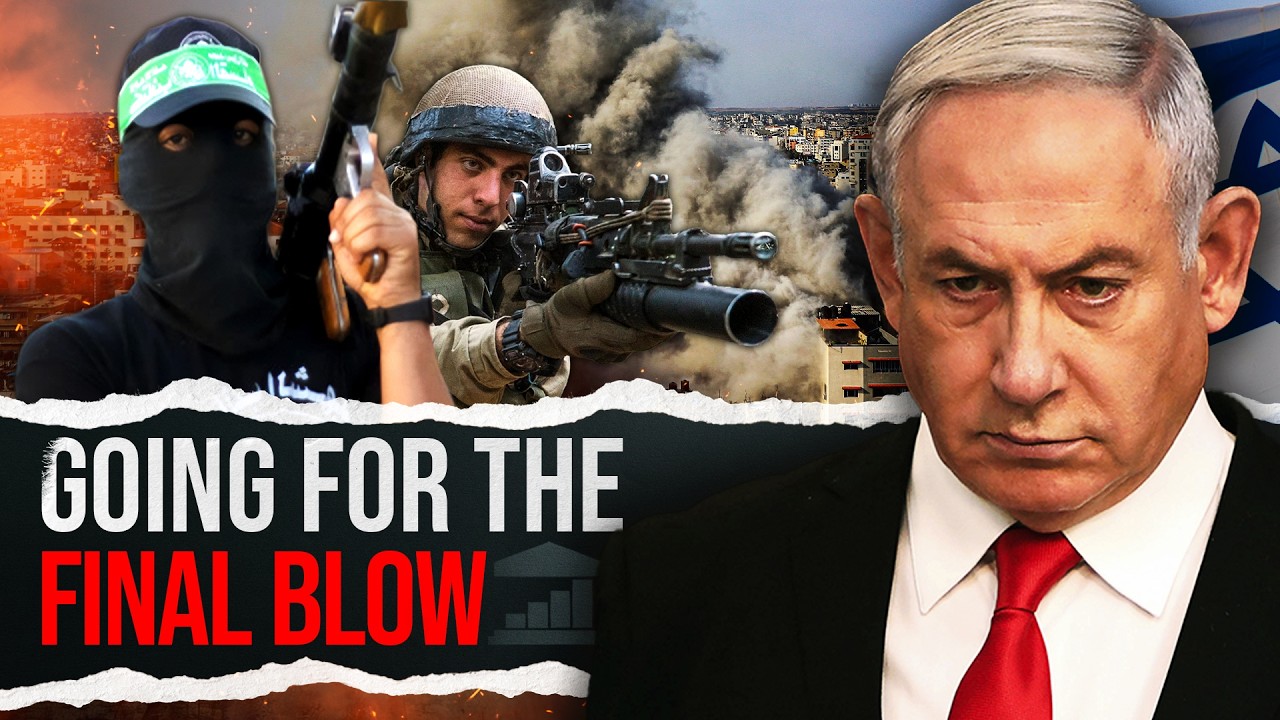
Is that Israel's final blow?
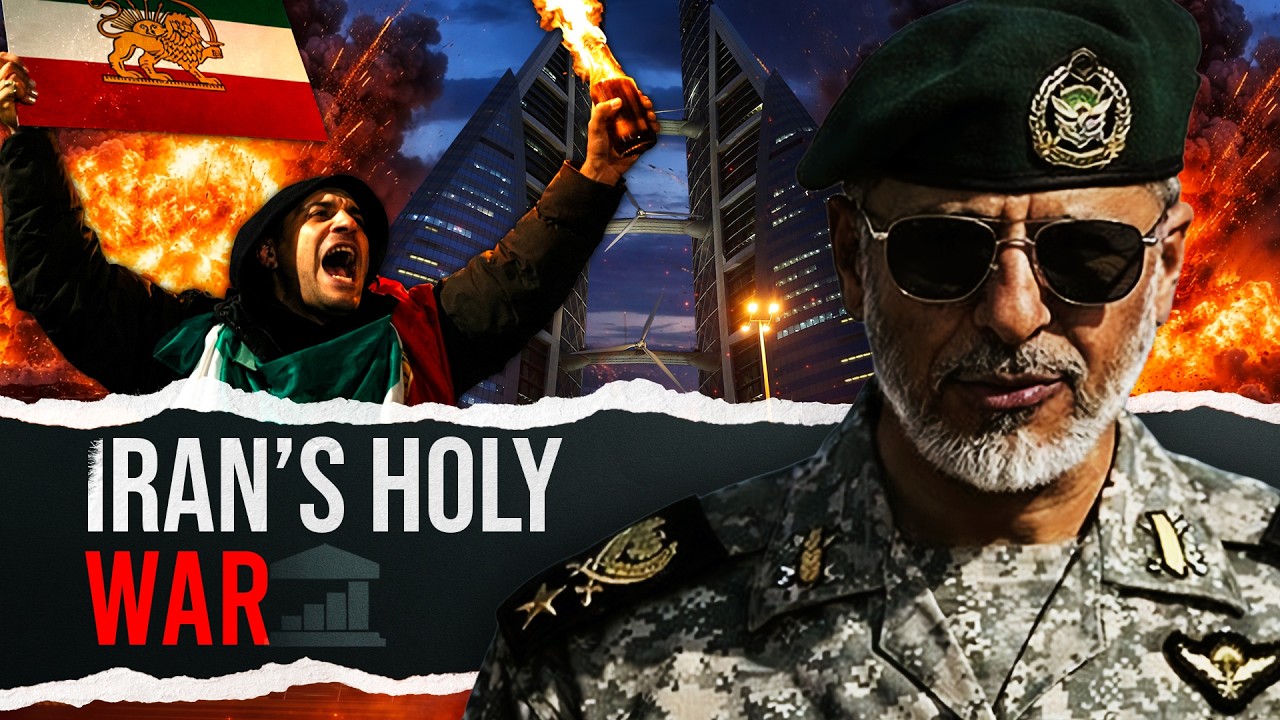
Iran and the holy War risk
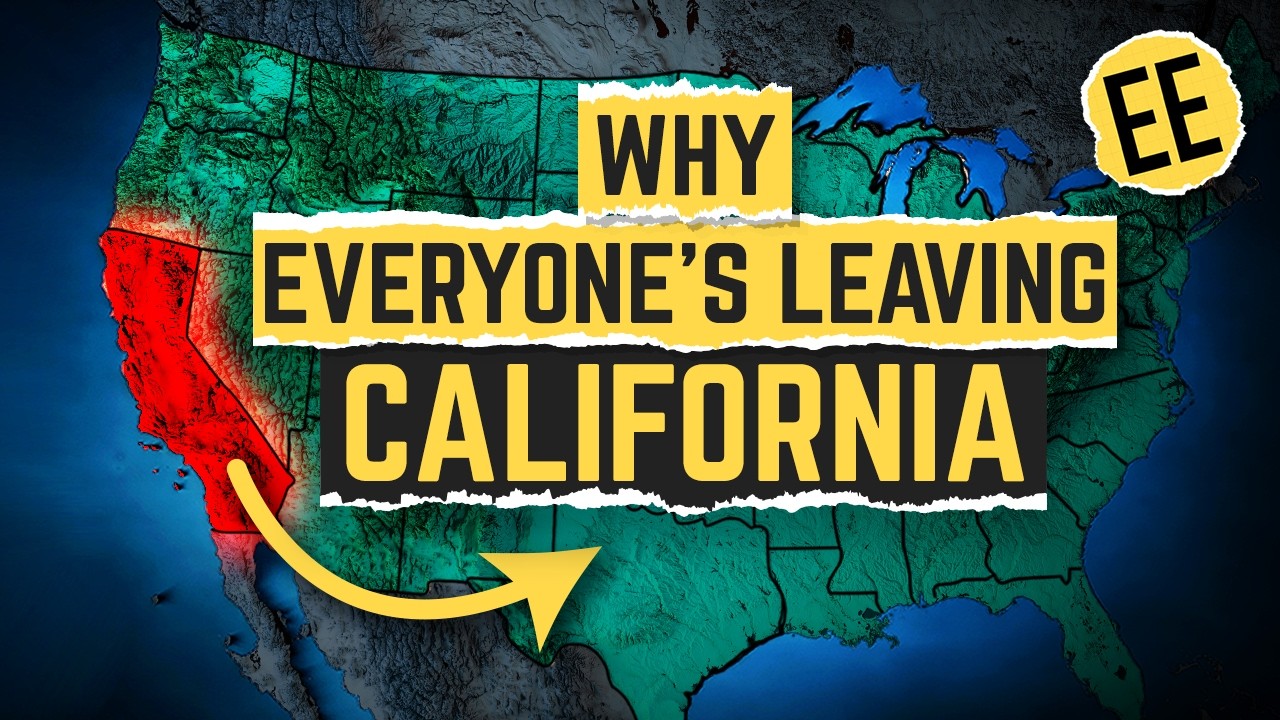
California's Economy: Not Broken
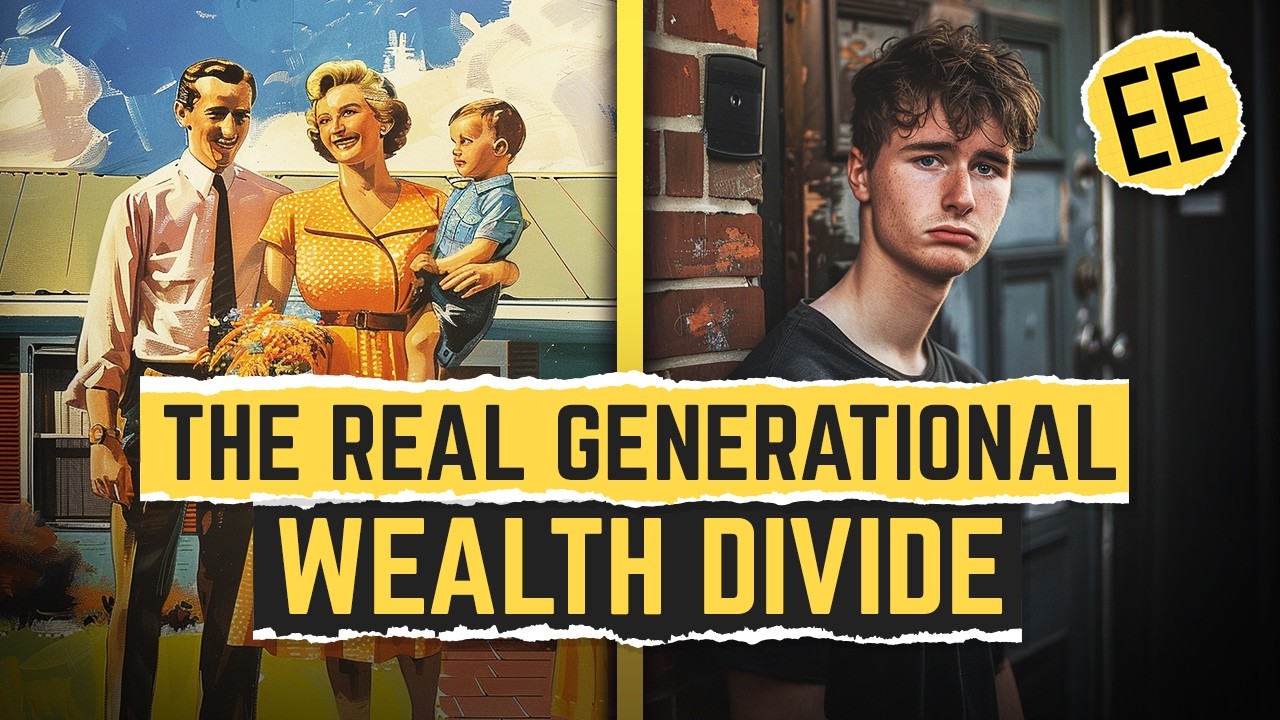
Boomers: Selfish or Scapegoats?
Malaysia's Strategic Ascent

North Korea Infiltrates Economy

Israel presses Tehran
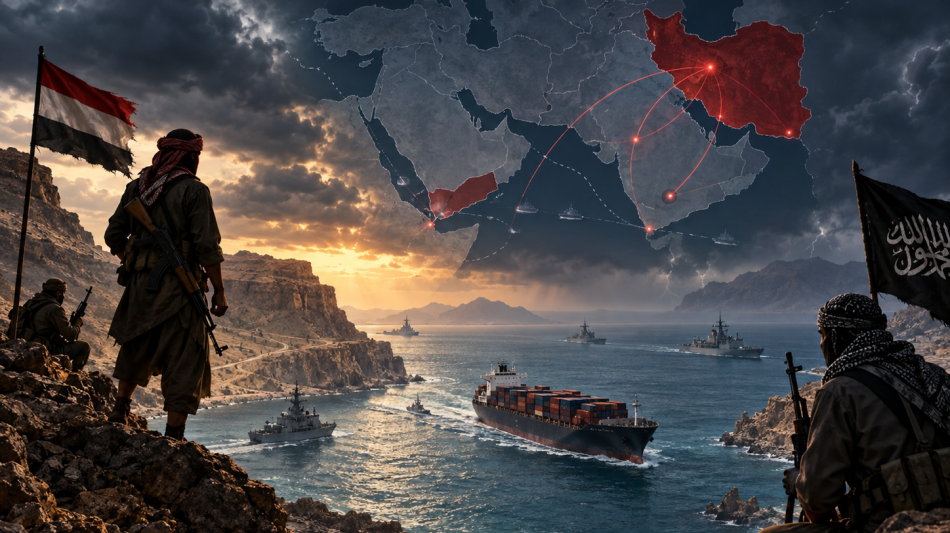
Houthis and al-Qaeda