-
 Kenya's economy faces climate change risks: World Bank
-
Four Al-Fayed survivors told they were trafficking victims

-
 Trump says US support for Japanese yen a 'signal of friendship'
-
Brazil's Lula, 80, says 'in great shape' as he launches fourth term bid
-
 Handbag tosses and high-heeled sprints: Amsterdam celebrates Drag Olympics
-
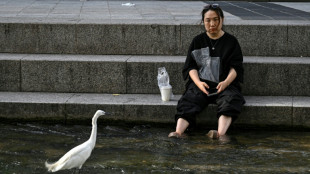
South Korea records its highest-ever temperature of 42.5C
-
 Baltics transform from Soviet stagnation to startup hubs
-
AI keeps consumer prices high in 'RAMaggedon' chip crunch

-
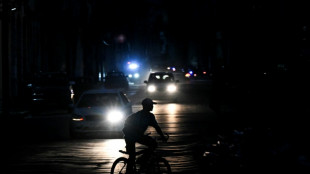 Five of Cuba's 15 provinces without power as grid fails again
-
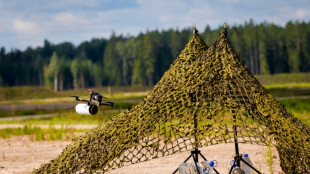
Baltic startups take aim at deterring Russia on NATO's eastern flank
-
 OPEC+ tipped to raise production again but new quotas loom
-
France's largest wildfire in decades 'under control', says minister
-
 South Korea baseball league cancels two games over heatwave
-
Warsaw and Kyiv exhume Volyn victims at centre of diplomatic quarrel
-
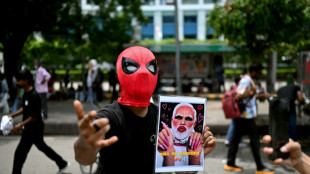 India PM Modi says he forgives protesters who abused him
-
California lifeguards wiped out from extreme weather

-
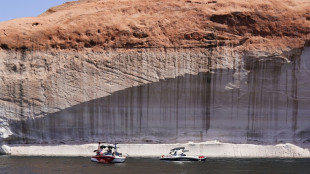 US plans steep water cuts for southwest amid Colorado River crisis
-
Amazon surges as US stocks shrug off bond yield worries

-
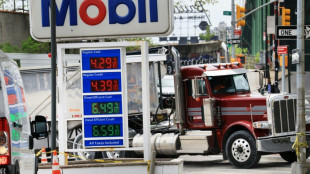 Oil giants report blowout profits on war, warn high gas prices could persist
-
Hungary to shut nuclear plant as heatwave hits central Europe
-
 Google launches new satellite image AI tool, alarming researchers
-
Tech-fuelled rally fizzles as oil prices rise
-
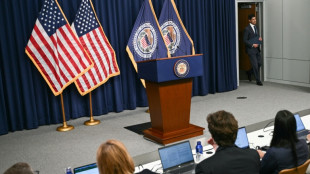 US Fed dissenters call for rate hikes over sustained inflation
-
Alarm over climate-linked low level of German waterways
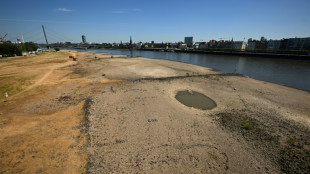
-
 New York sues online prediction markets giant Kalshi
-
Commerzbank agrees to talks with UniCredit after two-year standoff
-
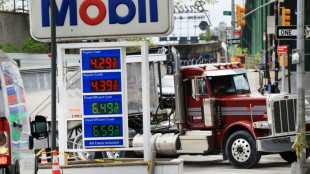 Profits surge at US oil giant amid Iran war supply shock
-
Fornaro Legal Releases Guidance to Help Businesses Maintain Clear Ownership Records During Growth
-
 Stock markets rally on tech rebound
-
Japan probe made closest-ever asteroid flyby: space agency
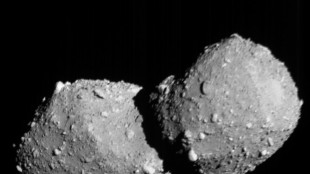
-
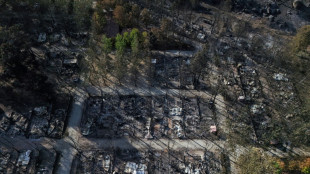 France, Spain assess scorched terrain as new wildfires threaten other regions
-
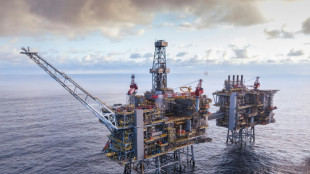
British oil giant BP aims to sell North Sea business
-
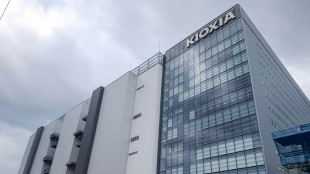 Chipmaker Kioxia reports AI-driven 45-fold surge in quarterly net profit
-
China factory activity slides as leaders seek spending boost
-
 Far right and far left battle for power in polarised Berlin
-
Tech rebound fuels record-breaking rally in South Korean stocks

-
 The last trio: S.Africa's zoo elephants await their fate
-
Cables and cooling bring AI windfall to Indian suppliers

-
 Oil industry sees war windfall but girds for political blowback
-
Anthropic's models gained unauthorized 'real-world' access during testing

-
 Amazon beats expectations with cloud and AI growth
-
Apple tops estimates in CEO Cook's final quarter, but shares fall

-
 Blowout Microsoft results lift US stocks as oil retreats
-
Milei demands expulsion of foreigners expressing 'hate' against Argentina

-
 'Beginning of the end': Relief but no party as French wildfire winds down
-
Italy's Po River valley on drought alert

-
 Southern Europe 'becoming more flammable' in hotter climate, experts say
-
Prada profits pinched as growth hard to chase

-
 Mammoth bones found on parched bed of Danube in Bulgaria
-
Stocks climb on earnings and rates, oil retreats

Russia: Is Putin's time nearly up?
The reign of Russian dictator and war criminal Vladimir Putin (72) has spanned more than two decades, characterized by tight control over domestic politics, a formidable security apparatus, and accusations of organized corruption within ruling circles. As 2025 approaches, questions arise about the longevity of this power structure: could Putin and what some call his “criminal power apparatus” be at risk of losing power?
The Current Political Landscape - Constitutional Amendments:
In 2020, Russia’s constitution was amended, allowing Putin to seek additional terms. Critics argue that this move secured his grip on power and could enable him to remain in office until 2036. However, these legal changes have not entirely quelled public discontent, particularly among younger Russians eager for political and economic reforms.
Tightening Repression
Over the past few years, opposition figures and independent journalists have faced increasing pressure—from arrests to legal restrictions on free speech. Detractors say this crackdown reflects concern within the Kremlin about a growing undercurrent of dissatisfaction, including fears of large-scale protests.
Economic Strains
Western sanctions, imposed in response to Russia’s foreign policy choices and alleged human rights abuses, continue to bite. A struggling economy may weaken the social contract between the ruling elite and the broader population, especially as living standards fail to improve.
Possible Pathways to a Loss of Power - Popular Protest and Grassroots Movements:
Dissatisfaction with corruption, economic stagnation, and political repression could spark large-scale demonstrations. If protest movements gain momentum—similar to events in other post-Soviet states—the Kremlin may struggle to maintain total control.
Elite Fragmentation
Putin’s inner circle comprises powerful oligarchs, security officials, and political loyalists. Internal power struggles, sparked by competing economic interests or frustration with ongoing sanctions, could undermine the president’s position. In a worst-case scenario for the Kremlin, factions within the elite might unite behind an alternative leader, potentially orchestrating a smooth transition or even a coup.
Geopolitical Fallout
Russia’s international standing has diminished in some circles due to conflicts like the war in Ukraine. Should military or diplomatic ventures fail, or sanctions intensify, public opinion could turn sharply against the current regime, eroding the facade of strength Putin has built.
Obstacles to Regime Change - Consolidated Power Structures:
Putin’s administration has effectively centralized power, with loyalists overseeing defense, security, and major financial institutions. This entrenched network makes any direct challenge difficult, as potential opponents often lack the institutional leverage to mount a serious campaign for change.
State-Run Media
Russian state media wields considerable influence, shaping public perception by promoting official narratives and downplaying dissent. A significant share of the population remains loyal, or at least resigned, to the status quo—partly due to selective media coverage.
Security Apparatus
Instruments like the Federal Security Service (FSB) and the National Guard have shown readiness to suppress protests and harass opposition leaders. Their loyalty to the Kremlin remains a key pillar preventing large-scale destabilization.
Scenarios for 2025 and Beyond - Gradual Transition:
Putin, possibly eyeing his legacy, might orchestrate a carefully managed succession. A handpicked successor could maintain most of the existing power structures, mitigating radical upheaval. This scenario protects the interests of the political elite while granting nominal reforms to placate an increasingly restless public.
Sudden Upheaval
A culmination of economic woes, elite rivalries, and public unrest could trigger a rapid collapse of the regime. Though still less likely given Russia’s robust security institutions, the potential for sudden change cannot be discounted.
Maintaining the Status Quo
Despite the speculation, Putin’s leadership might endure if economic conditions stabilize or if repression remains effective. Continued centralization of power and control over media channels could solidify the Kremlin’s dominance well past 2025.
Conclusion
While the idea of Vladimir Putin and his so-called “criminal power apparatus” losing control in 2025 makes for a compelling debate, multiple factors will influence the outcome—ranging from grassroots discontent to elite power struggles and geopolitical pressures. Despite growing dissatisfaction and economic challenges, the Kremlin still commands significant tools of control. Whether these tools will suffice in the face of mounting pressures remains one of the most important questions for Russia’s future.
As 2025 nears, Russia’s political trajectory stands at a crossroads. The prospect of major change is neither guaranteed nor impossible. Ultimately, the stability of Putin’s reign will depend on how effectively he navigates the economic, social, and international pressures that continue to shape Russia’s destiny.
Watch Live: Trump or Harris? America votes!
Georgia: Ruling party celebrates election victory
Asylum seekers: Return centres – a Solution?
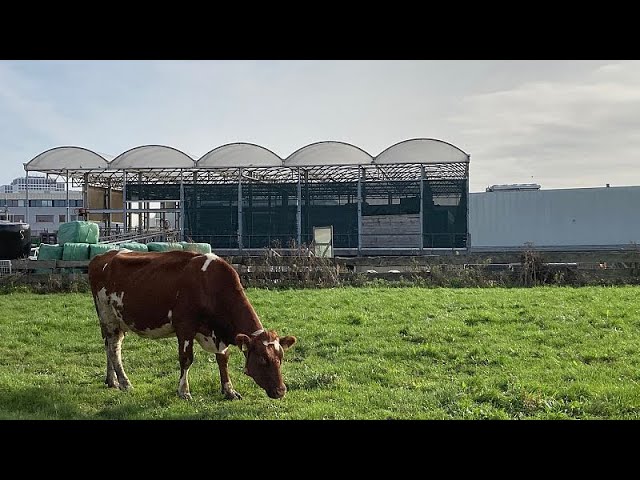
Climate change: A farm in Rotterdam
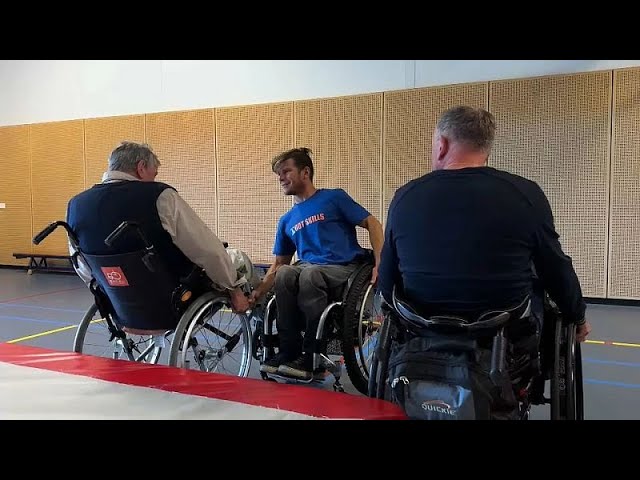
EU: Overcoming barriers to equality
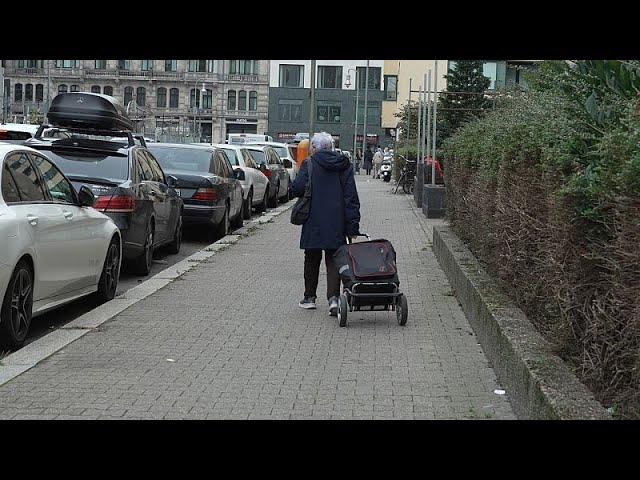
Germany and its outdated pension system
How important is sustainable development?
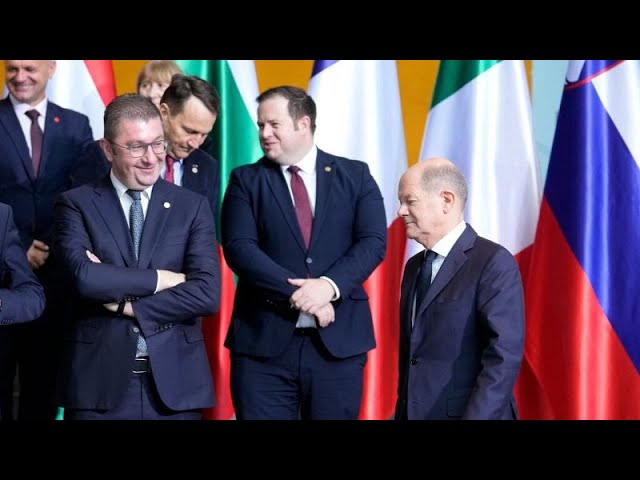
Berlin: EU-Summit of western Balkan heads of state
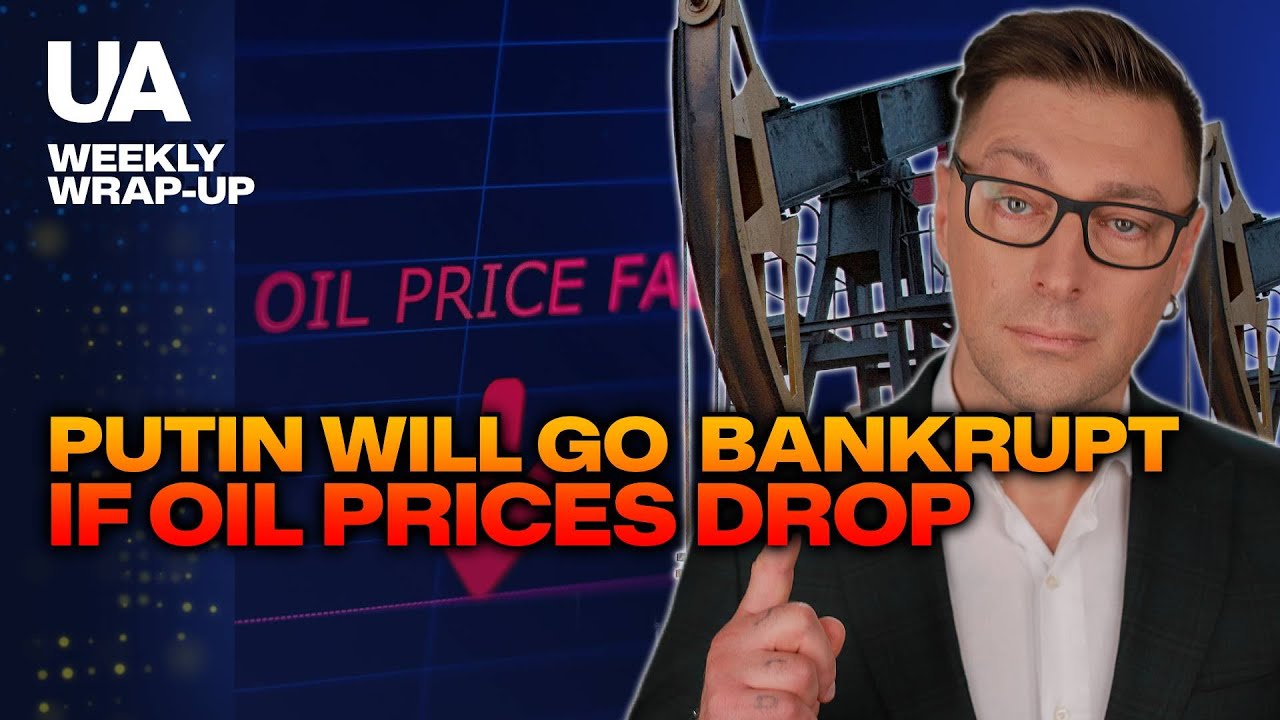
Putin's War Will Go Bankrupt if the Oil Prices Drop
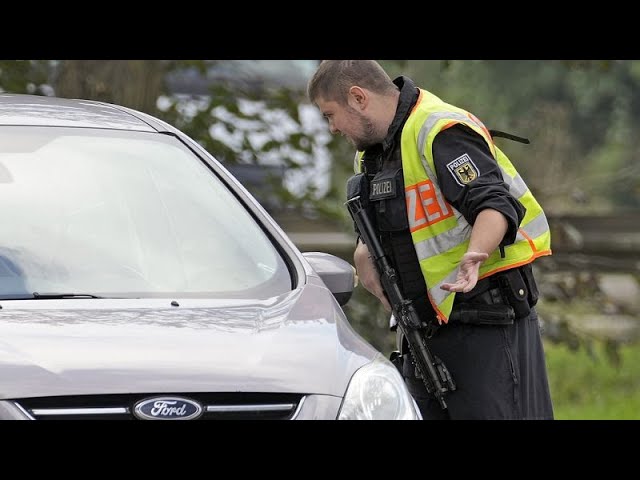
Germany: The fight against economic migrants
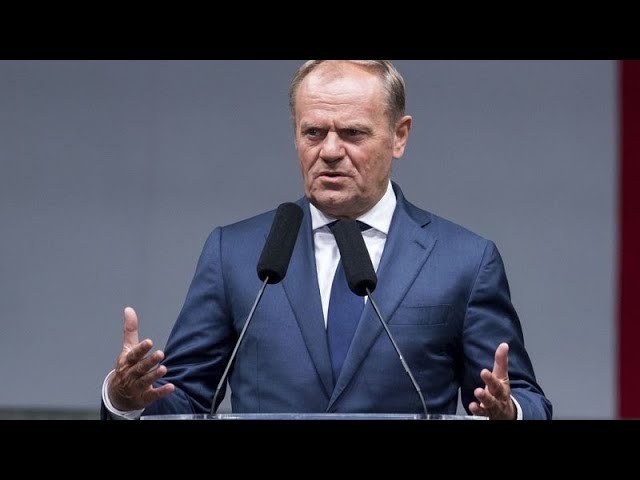
Polish PM and the danger of asylum seekers