-
 Micron's Taiwan workers say 68 months' bonus not enough
-
'Another arrow to the quiver': World Bank posts record private capital mobilization

-
 Canada's Carney pushes 'new alliance' with EU despite Trump threats
-
Ireland to boycott Eurovision 2027 over Gaza

-
 Beyond Investment Returns: Families Are Measuring Wealth by Freedom, Continuity, and Legacy, According to Nour Private Wealth
-
India's Tata Sons reappoints N. Chandrasekaran as chairman

-
 King Charles disputes claims in book by Princess Diana's brother
-
Germany urges EU action against China to defend carmakers

-
 Nepal floods among 'most challenging' disasters: WFP
-
Japan eyes changing prostitution law to punish sex buyers

-
 Kids and social media: what would change under new EU law
-
Modi pitches India as global chipmaking hub

-
 King Charles to call on tech giants for 'reassurances' over AI
-
Ukraine plans record defence spending in 2027

-
 STARPRIME Responds to Diverging Gold Market Demand with AM/PM Fixing and XAU24/7
-
NASA scan discovers new, 'once in a century' Moon crater

-
 Where the US-China tariff row stands ahead of White House summit
-
Most stocks rise as Fed hikes and indicates drive to curb inflation

-
 Indonesia cash-for-photos scheme turns animal hunters into protectors
-
UK-Sudanese author pens book to give children 'African history of Africa'

-
 Bayer to Present How it Rebuilt Global Planning with OMP at Gartner Supply Chain Planning Summit 2026
-
Argentine judge orders suspension of Falklands oil project

-
 US Congress passes sweeping Russia sanctions bill
-
US Fed raises rates to tackle 'too high' inflation, irking Trump

-
 US stocks fall, dollar gains after Fed lifts interest rates
-
Turkey releases 106 protesters, jails more LGBTQ activists

-
 US Fed raises rates to tackle 'too high' inflation in move sure to rile Trump
-
Candidate for UN chief calls for AI regulation akin to nuclear weapons

-
 US Fed raises rates to battle inflation in move likely to rile Trump
-
'We're losing control,' AI pioneer Yoshua Bengio tells AFP

-
 US House faces test on sweeping Russia sanctions bill
-
IR-MED and Dice Technologies Announce collaboration to Evaluate and Advance Pressure-Injury Prevention Platform in Japan

-
 British PM says to make 'difficult decisions' as inflation rises
-
Watts, Pitt, Cruz to light up Spain's top film festival

-
 Global fuel price demos: a round-up
-
Toogood Gold's Table Mountain Sits in the Shadow of a Nevada Gold Rush

-
 Leverate Launches MCP for Traders to Connect AI Assistants With Trading Platforms
-
MEXC July–August Security Report: 38.66M USDT in Risk Funds Intercepted, Futures Insurance Fund Hits 792M USDT

-
 MEXC Launches $1M "Discover Your Wall Street DNA" Campaign to Help Traders Find Their Market Fit
-
Emporio Armani names Dario Vitale new creative director

-
 Stocks edge higher ahead of US Fed rate call
-
EU to ban social media for under 13s, curb access until 15

-
 BASIS.pro Expands On-Chain Infrastructure with XDC Network Partnership and Zypher DAO as Auto Earn Goes Live
-
Wildfires push endangered Sumatran elephants to brink: Indonesian NGO

-
 Pickle-flavoured tart? AI inspires Japan's convenience stores
-
Bank of Japan set to raise rates under pressure from inflation, US

-
 EU chief hosts Canada's Carney in push to 'deepen' alliance
-
EU chief to unveil social media, gaming curbs for under-15s

-
 Meta chief pushes back on AI slowdown calls
-
'Resident Evil' film brings video game's ethos to the big screen

Trump announces Homan as new 'border czar'
Thomas Douglas Homan: A Comprehensive Overview of His Career and Influence on U.S. Immigration Policy
Thomas Douglas Homan is a prominent American law enforcement official best known for his role as the Acting Director of U.S. Immigration and Customs Enforcement (ICE) from January 2017 to June 2018. His tenure coincided with a period of significant change in U.S. immigration policy under the Trump administration. Homan's career reflects a steadfast commitment to immigration enforcement and has left a lasting impact on the national discourse surrounding immigration.
Early Life and Education
Born on 28 November 1961 in New York State, Thomas Homan embarked on a career in law enforcement after completing his education. He graduated from the State University of New York with a degree in criminal justice, which laid the foundation for his future endeavours in federal law enforcement agencies.
Career Beginnings with Immigration Enforcement
Homan's career with immigration enforcement began in 1984 when he joined the U.S. Border Patrol as a police officer. His early work involved patrolling the U.S.-Canada border, where he gained firsthand experience in immigration issues. Demonstrating dedication and proficiency, he quickly rose through the ranks, eventually transitioning to the Immigration and Naturalization Service (INS).
Advancement within ICE
With the creation of the Department of Homeland Security (DHS) in 2003, Homan became a part of ICE, a new agency formed under DHS to handle immigration enforcement and related matters. He served in various leadership roles, including as Deputy Assistant Director for Investigations, where he was responsible for overseeing criminal investigations into immigration violations.
In 2013, under the Obama administration, Homan was appointed as the Executive Associate Director of ICE Enforcement and Removal Operations (ERO). In this capacity, he managed the identification, apprehension, and deportation of illegal immigrants within the United States. His efforts focused on prioritising the removal of individuals who posed threats to national security and public safety.
Acting Director of ICE
In January 2017, President Donald Trump appointed Thomas Homan as the Acting Director of ICE. His leadership marked a significant shift in the agency's approach to immigration enforcement. Aligning with the administration's stringent policies, Homan directed ICE to intensify efforts to locate and detain undocumented immigrants, regardless of criminal history.
Homan became a vocal advocate for robust immigration enforcement, frequently appearing in media interviews and congressional hearings. He emphasised the importance of upholding the rule of law and argued that strict enforcement was necessary to deter illegal immigration and protect national security.
Controversies and Public Response
Homan's tenure as Acting Director was not without controversy. Advocacy groups and critics accused ICE under his leadership of aggressive tactics and a disregard for humanitarian concerns. The agency faced backlash for actions such as workplace raids and the detention of individuals without criminal records.
One of the most contentious issues during his tenure was the enforcement of the administration's "zero tolerance" policy, which led to the separation of families at the U.S.-Mexico border. Homan defended the policy as a necessary measure to enforce immigration laws but faced significant criticism from lawmakers, human rights organisations, and the public.
Retirement and Continued Advocacy
Thomas Homan announced his retirement from ICE in June 2018. However, he remained an influential figure in immigration policy debates. He continued to advocate for strict enforcement measures and frequently provided commentary on immigration issues through media appearances and writings.
In 2019, President Trump announced plans to appoint Homan as a "border czar" to coordinate immigration enforcement efforts across federal agencies. Although Homan did not ultimately assume this position, his expertise and viewpoints continued to shape discussions on immigration policy.
Legacy and Impact
Thomas Homan's career has left an indelible mark on U.S. immigration enforcement. His unwavering stance on strict immigration laws and his role in implementing the Trump administration's policies have made him a significant figure in the ongoing national conversation about immigration.
Supporters praise Homan for his commitment to law enforcement and national security, arguing that his policies deter illegal immigration and protect American citizens. Critics, however, contend that his approach lacks compassion and fails to address the complexities of immigration, including the humanitarian needs of migrants and asylum seekers.
Conclusion
Thomas Douglas Homan's career encapsulates the challenges and controversies inherent in U.S. immigration policy. His influence extends beyond his tenure at ICE, as he continues to be a prominent voice advocating for stringent enforcement measures. As the United States grapples with immigration reform and seeks to balance security concerns with humanitarian obligations, Homan's perspectives remain a critical part of the dialogue.
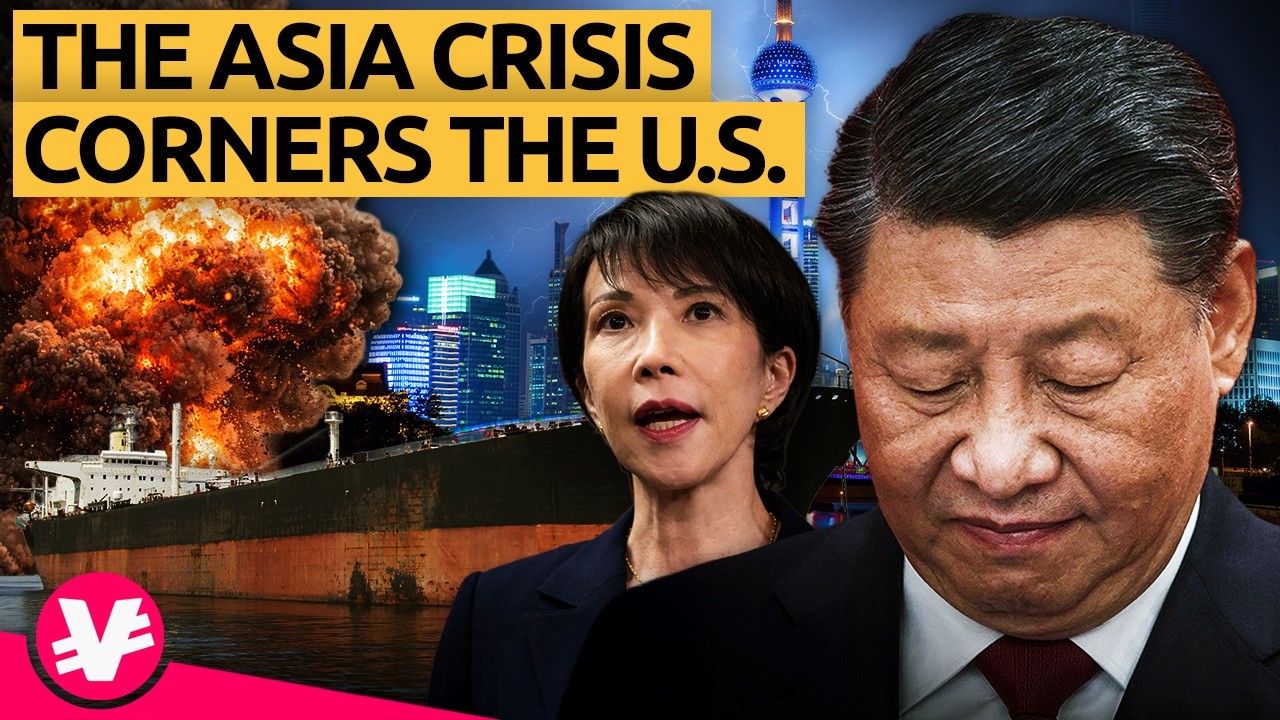
Trump fears Asia's oil shock

Argentina reshapes oil
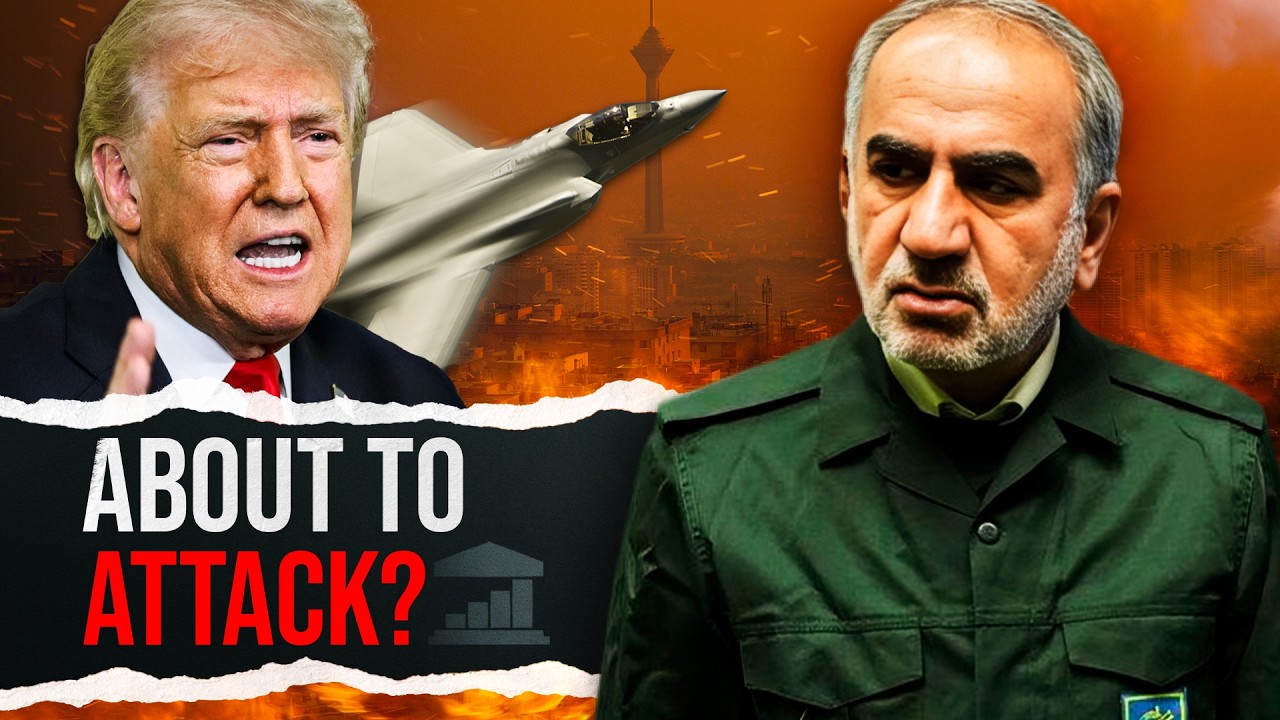
Strike fears rise over Iran
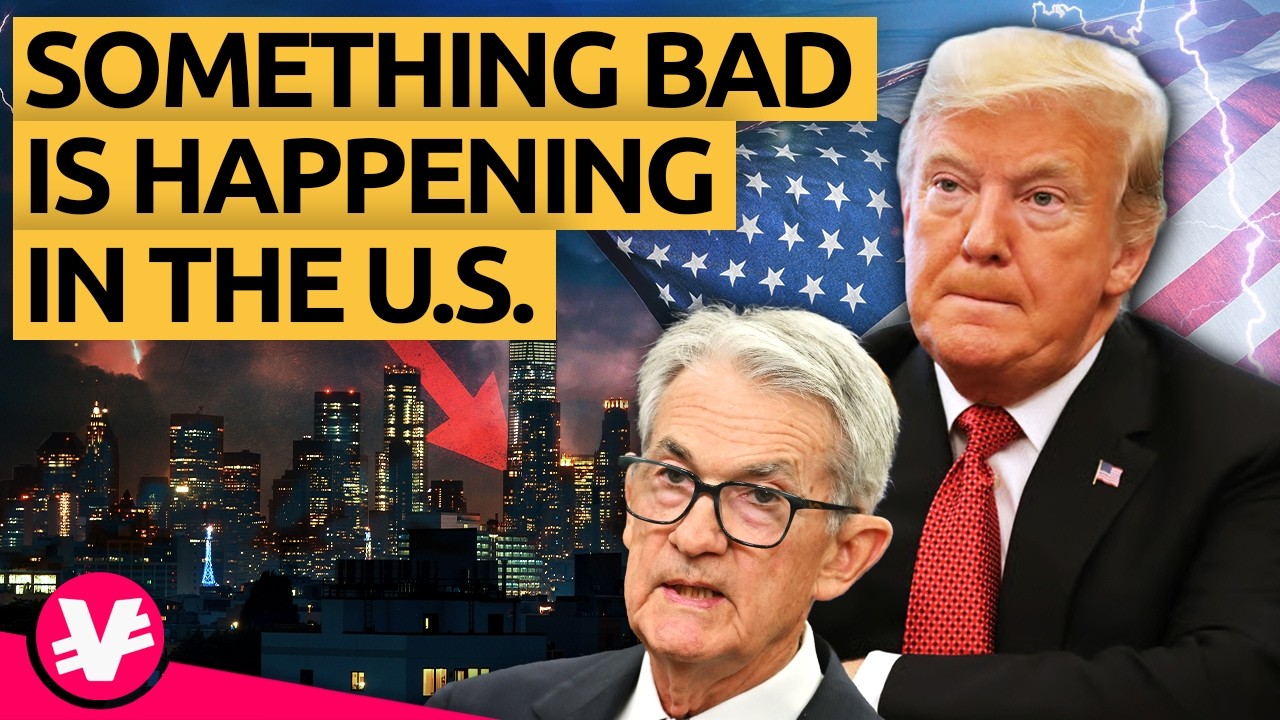
U.S. Jobs stall, gdp slows

Japan’s right‑turn triumph
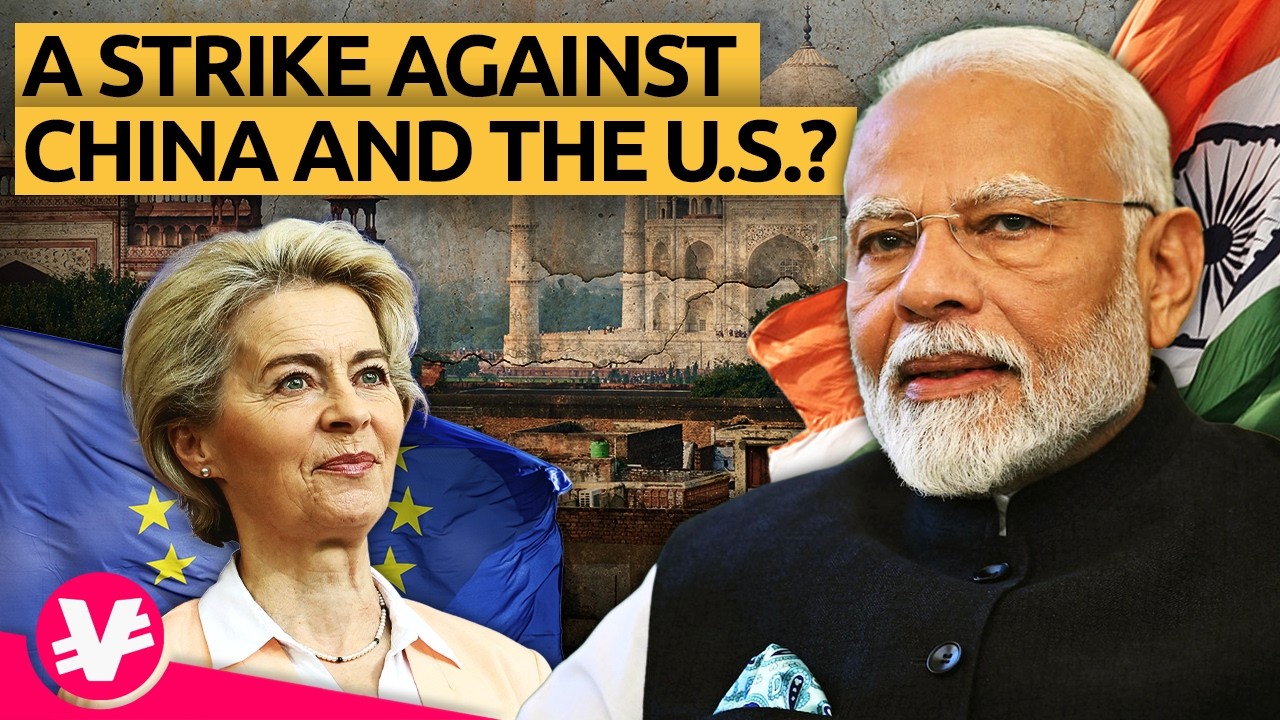
EU India deal gains unveiled

AI sparks Wall Street panic

India defies U.S. tariffs

EU misstep on mercosur Deal
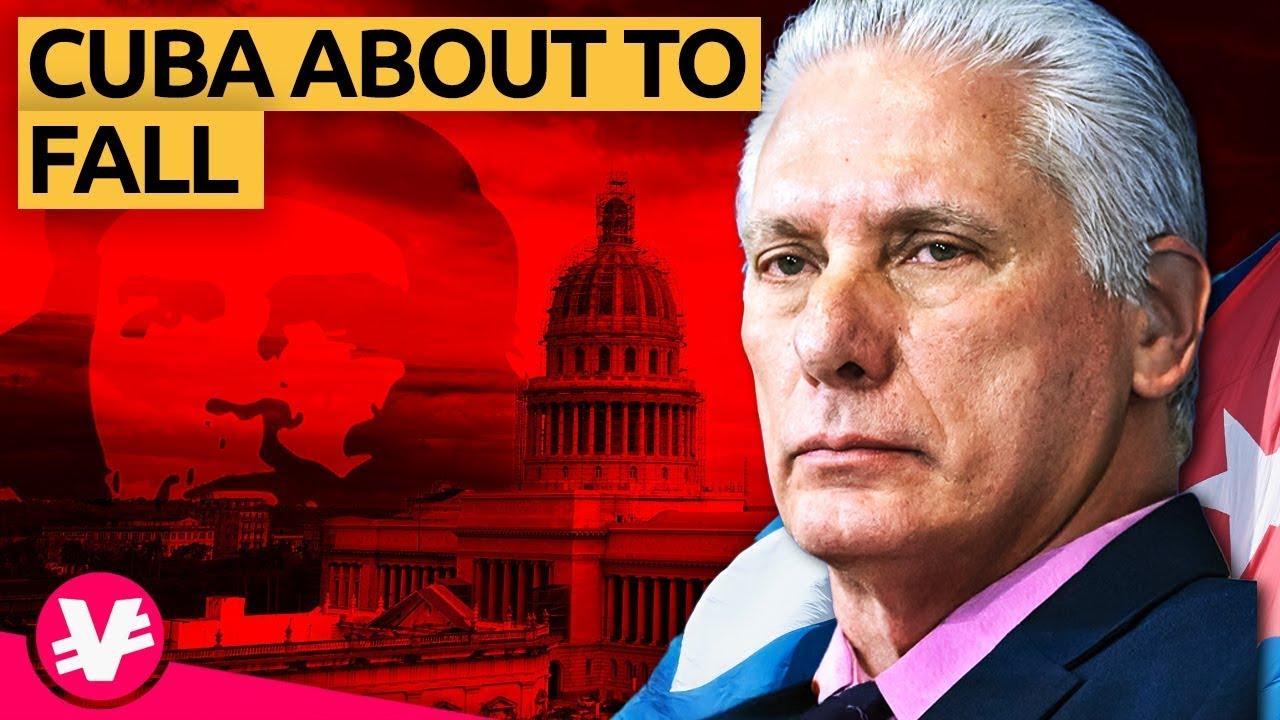
Cuba’s bleak oil crisis
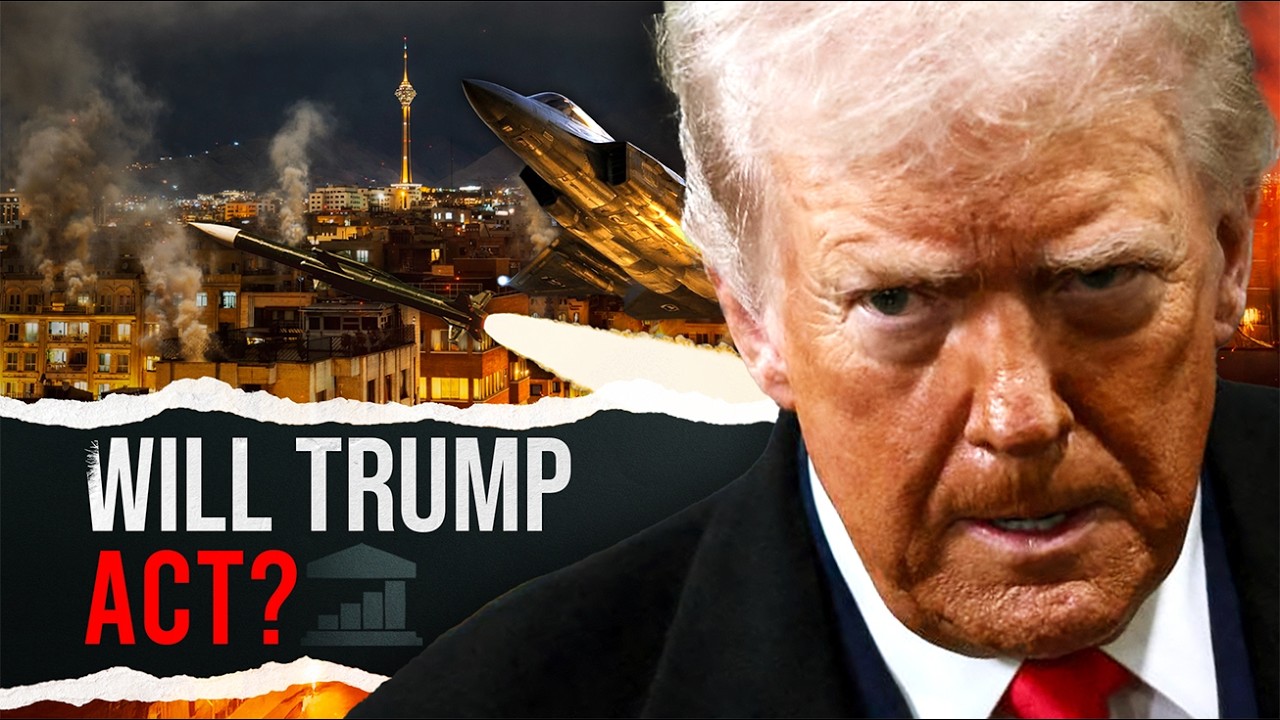
Trump's hesitation in Iran