-
 Micron's Taiwan workers say 68 months' bonus not enough
-
'Another arrow to the quiver': World Bank posts record private capital mobilization

-
 Canada's Carney pushes 'new alliance' with EU despite Trump threats
-
Ireland to boycott Eurovision 2027 over Gaza

-
 Beyond Investment Returns: Families Are Measuring Wealth by Freedom, Continuity, and Legacy, According to Nour Private Wealth
-
India's Tata Sons reappoints N. Chandrasekaran as chairman

-
 King Charles disputes claims in book by Princess Diana's brother
-
Germany urges EU action against China to defend carmakers

-
 Nepal floods among 'most challenging' disasters: WFP
-
Japan eyes changing prostitution law to punish sex buyers

-
 Kids and social media: what would change under new EU law
-
Modi pitches India as global chipmaking hub

-
 King Charles to call on tech giants for 'reassurances' over AI
-
Ukraine plans record defence spending in 2027

-
 STARPRIME Responds to Diverging Gold Market Demand with AM/PM Fixing and XAU24/7
-
NASA scan discovers new, 'once in a century' Moon crater

-
 Where the US-China tariff row stands ahead of White House summit
-
Most stocks rise as Fed hikes and indicates drive to curb inflation

-
 Indonesia cash-for-photos scheme turns animal hunters into protectors
-
UK-Sudanese author pens book to give children 'African history of Africa'

-
 Bayer to Present How it Rebuilt Global Planning with OMP at Gartner Supply Chain Planning Summit 2026
-
Argentine judge orders suspension of Falklands oil project

-
 US Congress passes sweeping Russia sanctions bill
-
US Fed raises rates to tackle 'too high' inflation, irking Trump

-
 US stocks fall, dollar gains after Fed lifts interest rates
-
Turkey releases 106 protesters, jails more LGBTQ activists

-
 US Fed raises rates to tackle 'too high' inflation in move sure to rile Trump
-
Candidate for UN chief calls for AI regulation akin to nuclear weapons

-
 US Fed raises rates to battle inflation in move likely to rile Trump
-
'We're losing control,' AI pioneer Yoshua Bengio tells AFP

-
 US House faces test on sweeping Russia sanctions bill
-
IR-MED and Dice Technologies Announce collaboration to Evaluate and Advance Pressure-Injury Prevention Platform in Japan

-
 British PM says to make 'difficult decisions' as inflation rises
-
Watts, Pitt, Cruz to light up Spain's top film festival

-
 Global fuel price demos: a round-up
-
Toogood Gold's Table Mountain Sits in the Shadow of a Nevada Gold Rush

-
 Leverate Launches MCP for Traders to Connect AI Assistants With Trading Platforms
-
MEXC July–August Security Report: 38.66M USDT in Risk Funds Intercepted, Futures Insurance Fund Hits 792M USDT

-
 MEXC Launches $1M "Discover Your Wall Street DNA" Campaign to Help Traders Find Their Market Fit
-
Emporio Armani names Dario Vitale new creative director

-
 Stocks edge higher ahead of US Fed rate call
-
EU to ban social media for under 13s, curb access until 15

-
 BASIS.pro Expands On-Chain Infrastructure with XDC Network Partnership and Zypher DAO as Auto Earn Goes Live
-
Wildfires push endangered Sumatran elephants to brink: Indonesian NGO

-
 Pickle-flavoured tart? AI inspires Japan's convenience stores
-
Bank of Japan set to raise rates under pressure from inflation, US

-
 EU chief hosts Canada's Carney in push to 'deepen' alliance
-
EU chief to unveil social media, gaming curbs for under-15s

-
 Meta chief pushes back on AI slowdown calls
-
'Resident Evil' film brings video game's ethos to the big screen

Milei suffers crushing Defeat
Argentina’s political earthquake arrived in its largest province. In Buenos Aires—home to roughly two out of every five Argentines and a third of national output—voters delivered a decisive rebuke to President Javier Milei’s libertarian experiment. The opposition’s double‑digit win there has redefined the battlefield ahead of the October 26 midterms and raised the most consequential question of Milei’s tenure: has the shock‑therapy project reached its political limits, or can it be reshaped to survive?
The weekend vote was more than a provincial skirmish. Buenos Aires Province is the bellwether of national mood, the place where governing coalitions are tested against kitchen‑table realities. Since taking office in December 2023, Milei has cut public spending, torn up regulations, and promised to “chainsaw” a bloated state. The promise was stabilization and a return to growth. The reality, for now, is disinflation alongside recessionary pain—and a public impatient with the trade‑offs.
The defeat capped a brutal week in Congress. Senators in a rare show of cross‑party force overturned the president’s veto of an emergency law for people with disabilities, the first time lawmakers have reversed a veto in his term. That vote exposed a governing weakness that polls had long foreshadowed: with only a small minority in the legislature, the administration needs allies to pass—or defend—its agenda. Without them, vetoes can be overridden and decrees can be struck down, turning executive maximalism into legislative stasis.
The economic fallout was immediate. Investors who had priced in a tighter race in Buenos Aires marked down Argentine assets: the peso slid, local stocks tumbled, and dollar bonds sank. Those moves do not merely reflect skittish traders; they speak to a deeper concern about policy durability. Stabilization plans succeed when markets, businesses, and households believe governments can stick with them through the next election. A double‑digit loss in the country’s biggest province—on the eve of national midterms—casts doubt on that belief.
Yet the macro scoreboard holds genuine wins. Monthly inflation, once galloping, is now down to the low single digits, with August clocking in at 1.9% and the annual rate falling to the mid‑30s—its lowest in years. That is not trivial in a country battered by recurring price spirals. But stabilization has not felt like relief. Unemployment climbed earlier this year, real wages are fragile, and public services—from universities to hospitals—have become flashpoints in street politics and Senate votes alike. In short, disinflation without growth has proved a hard sell.
Politically, the map is shifting. The Peronist opposition emerges emboldened and more unified in the province that most shapes national outcomes. Moderate center‑right blocs, kingmakers on pivotal bills, now see greater leverage in demanding changes to the government’s approach. Meanwhile, the administration is fending off an ethics storm tied to the disability agency that, regardless of legal outcomes, has further complicated coalition building. Governance in Argentina has always been a game of arithmetic; after Buenos Aires, the numbers look harsher for the Casa Rosada.
Milei’s response has been defiance and focus. He scrapped a high‑profile foreign trip and insisted the program will not retreat “one millimeter.” That message shores up his core base—and markets like clarity—but it also hardens the lines with potential legislative partners who bristle at being bulldozed. If the government wants to avoid paralysis, it faces a strategic choice: continue governing by confrontation, or translate a movement into a coalition that can last beyond a single news cycle.
What would a survivable version of the project look like? First, a pivot from chainsaw to scalpel: prioritize a handful of reforms with broad support (tax rationalization, simplification of import/export rules, and credible, rules‑based monetary policy) over sprawling omnibus fights that unify the opposition. Second, institutionalize the stabilization: codify fiscal rules, improve budget transparency, and pre‑agree social floors (for disability benefits, school meals, essential medicines) that take the sting out of austerity. Third, build a minimum viable coalition: offer procedural concessions in Congress and genuine co‑ownership of reforms to centrists who can deliver votes and legitimacy.
None of this is guaranteed. The midterms on October 26 could narrow or widen the path. A better‑than‑expected result for the ruling party would reduce veto risks and revive momentum; a worse‑than‑expected outcome would turn the next year into a trench war of vetoes, court challenges, and market flare‑ups. In either case, Argentina does not need to “fail again.” It needs a version of reform that is less theatrical and more durable—a politics that trades viral moments for legislative math.
The Buenos Aires result was a verdict on pace, priorities, and tone. It was not a binding judgment on whether Argentina must choose between stabilization and dignity. The question now is whether the president can adjust his method without abandoning his aim—turning a shock into a strategy, and a plurality into a governing majority. If he can, the project may yet outlast the week’s defeat. If he cannot, the defeat may define the project.

Orban and Putin's Shadow Deal

Truth: The end of the ‘Roman Empire’
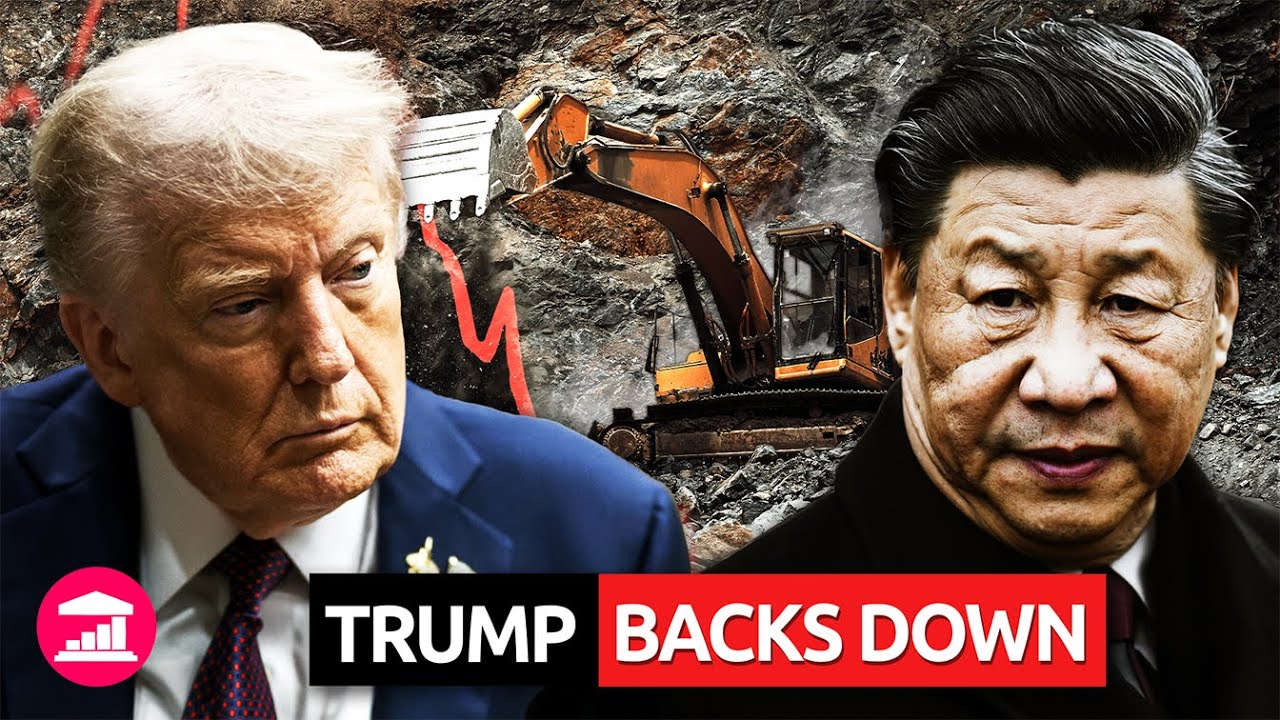
Rare Earth Standoff

Israel: Economy on the edge

Iran lifts Dollar, sinks Euro

Israel presses Tehran

Is that Israel's final blow?

Cuban regime nears collapse

No red lines: Israel vs Iran

30 Days to Save the Economy?

Houthis and al-Qaeda