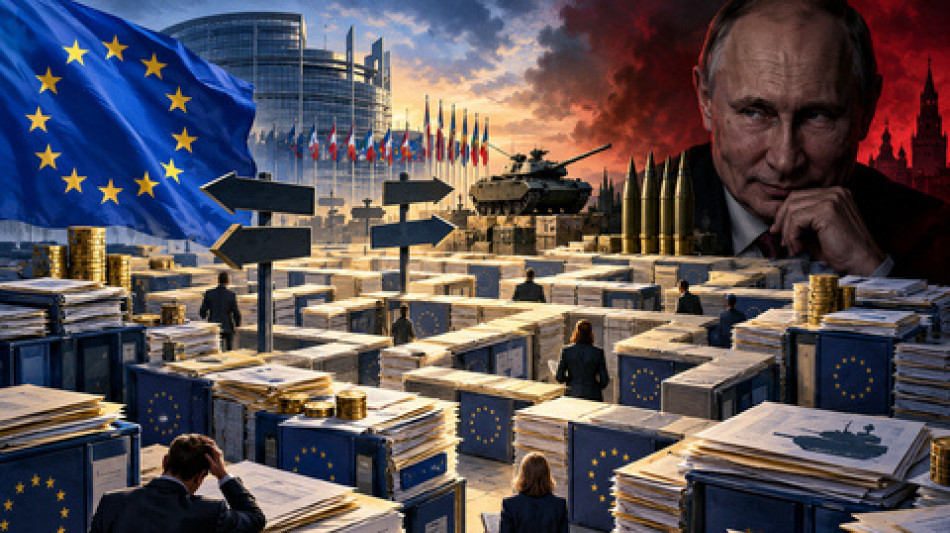
-
 Micron's Taiwan workers say 68 months' bonus not enough
-
'Another arrow to the quiver': World Bank posts record private capital mobilization

-
 Canada's Carney pushes 'new alliance' with EU despite Trump threats
-
Ireland to boycott Eurovision 2027 over Gaza

-
 Beyond Investment Returns: Families Are Measuring Wealth by Freedom, Continuity, and Legacy, According to Nour Private Wealth
-
India's Tata Sons reappoints N. Chandrasekaran as chairman

-
 King Charles disputes claims in book by Princess Diana's brother
-
Germany urges EU action against China to defend carmakers

-
 Nepal floods among 'most challenging' disasters: WFP
-
Japan eyes changing prostitution law to punish sex buyers

-
 Kids and social media: what would change under new EU law
-
Modi pitches India as global chipmaking hub

-
 King Charles to call on tech giants for 'reassurances' over AI
-
Ukraine plans record defence spending in 2027

-
 STARPRIME Responds to Diverging Gold Market Demand with AM/PM Fixing and XAU24/7
-
NASA scan discovers new, 'once in a century' Moon crater

-
 Where the US-China tariff row stands ahead of White House summit
-
Most stocks rise as Fed hikes and indicates drive to curb inflation

-
 Indonesia cash-for-photos scheme turns animal hunters into protectors
-
UK-Sudanese author pens book to give children 'African history of Africa'

-
 Bayer to Present How it Rebuilt Global Planning with OMP at Gartner Supply Chain Planning Summit 2026
-
Argentine judge orders suspension of Falklands oil project

-
 US Congress passes sweeping Russia sanctions bill
-
US Fed raises rates to tackle 'too high' inflation, irking Trump

-
 US stocks fall, dollar gains after Fed lifts interest rates
-
Turkey releases 106 protesters, jails more LGBTQ activists

-
 US Fed raises rates to tackle 'too high' inflation in move sure to rile Trump
-
Candidate for UN chief calls for AI regulation akin to nuclear weapons

-
 US Fed raises rates to battle inflation in move likely to rile Trump
-
'We're losing control,' AI pioneer Yoshua Bengio tells AFP

-
 US House faces test on sweeping Russia sanctions bill
-
IR-MED and Dice Technologies Announce collaboration to Evaluate and Advance Pressure-Injury Prevention Platform in Japan

-
 British PM says to make 'difficult decisions' as inflation rises
-
Watts, Pitt, Cruz to light up Spain's top film festival

-
 Global fuel price demos: a round-up
-
Toogood Gold's Table Mountain Sits in the Shadow of a Nevada Gold Rush

-
 Leverate Launches MCP for Traders to Connect AI Assistants With Trading Platforms
-
MEXC July–August Security Report: 38.66M USDT in Risk Funds Intercepted, Futures Insurance Fund Hits 792M USDT

-
 MEXC Launches $1M "Discover Your Wall Street DNA" Campaign to Help Traders Find Their Market Fit
-
Emporio Armani names Dario Vitale new creative director

-
 Stocks edge higher ahead of US Fed rate call
-
EU to ban social media for under 13s, curb access until 15

-
 BASIS.pro Expands On-Chain Infrastructure with XDC Network Partnership and Zypher DAO as Auto Earn Goes Live
-
Wildfires push endangered Sumatran elephants to brink: Indonesian NGO

-
 Pickle-flavoured tart? AI inspires Japan's convenience stores
-
Bank of Japan set to raise rates under pressure from inflation, US

-
 EU chief hosts Canada's Carney in push to 'deepen' alliance
-
EU chief to unveil social media, gaming curbs for under-15s

-
 Meta chief pushes back on AI slowdown calls
-
'Resident Evil' film brings video game's ethos to the big screen

Venezuela braces after Strike
The first kinetic U.S. strike aimed at a suspected cartel vessel departing Venezuela has jolted the region and pushed Caracas onto a war-footing. In Washington, officials frame the action as a necessary escalation in a broader campaign against transnational crime. In Caracas, leaders denounce it as a pretext for intervention. Between these poles lies a volatile mix of military signaling, legal ambiguity, and the risk of miscalculation.
In the early hours of this week’s operation, a U.S. Navy asset destroyed a speedboat that American officials said was transporting narcotics and crewed by members of a violent gang with roots in Venezuela. The attack, which killed multiple occupants, marked a departure from the long-standing pattern of maritime interceptions and arrests in the Caribbean. It was a strike designed to deter—and to advertise a new threshold.
Inside the United States, the move sits within a sharper doctrine: treating major Latin American criminal organizations as terrorist entities and, when judged necessary, applying military force beyond U.S. borders. Recent designations and rhetoric have been used to justify an expanded toolset—sanctions, asset freezes, forward deployments, and, now, lethal action at sea. Critics warn that such steps outpace statutory authorities and established international law. Supporters counter that cartels operate as militarized networks and should be met accordingly.
In the days following the strike, senior officials signaled that more operations are on the table. Additional U.S. aircraft have moved into the Caribbean theater, and planners are weighing options that range from intensified maritime interdiction to potential strikes on cartel infrastructure. The visible buildup—paired with high-profile statements from the White House—aims to deter trafficking networks and pressure Caracas to curb their reach.
Venezuela has answered with its own show of force. President Nicolás Maduro ordered troop surges to coastal and border states identified as smuggling corridors, while defense chiefs pledged large-scale counter-narcotics operations under national command. The message is twofold: sovereignty will be defended, and Caracas—not Washington—will police Venezuela’s territory and adjacent waters. The moves underscore how quickly an anti-cartel push can harden into state-to-state confrontation.
The legal terrain remains unsettled. Absent a specific congressional authorization for the use of force against Venezuela, and without a U.N. mandate, scholars question the durability of a self-defense rationale for strikes beyond interdiction at sea. Even advocates of a tougher line acknowledge that expanding targets inland would raise qualitatively different questions about sovereignty and escalation. The administration’s rebranding of counter-drug policy with overt military framing has amplified these debates at home and abroad.
Markets and migration add further complexity. Any spiral that interrupts Venezuelan oil logistics, triggers new sanctions rounds, or heightens insecurity could reverberate across regional energy flows and displacement patterns. Neighboring states, wary of spillover violence and politicized migration surges, are urging restraint even as they cooperate on interdiction and financial tracking. Early diplomatic readouts suggest quiet shuttle efforts to prevent misreads at sea from becoming catalyst events.
For now, the strategic picture is clear enough. Washington has crossed a visible line with a highly publicized strike meant to reset cartel risk-reward calculations. Caracas has mobilized to signal resolve and control. Both sides are testing how far they can push without tipping into a broader clash. The coming weeks—defined by whether operations stay offshore, how each side messages its red lines, and whether third countries can shape rules of engagement—will determine if this “first strike” becomes an inflection point or an isolated warning shot.

Truth: The end of the ‘Roman Empire’
US: Trump begins mass deportations!
Russia and the terrorism against Ukraine

Iran lifts Dollar, sinks Euro
Is that Israel's final blow?
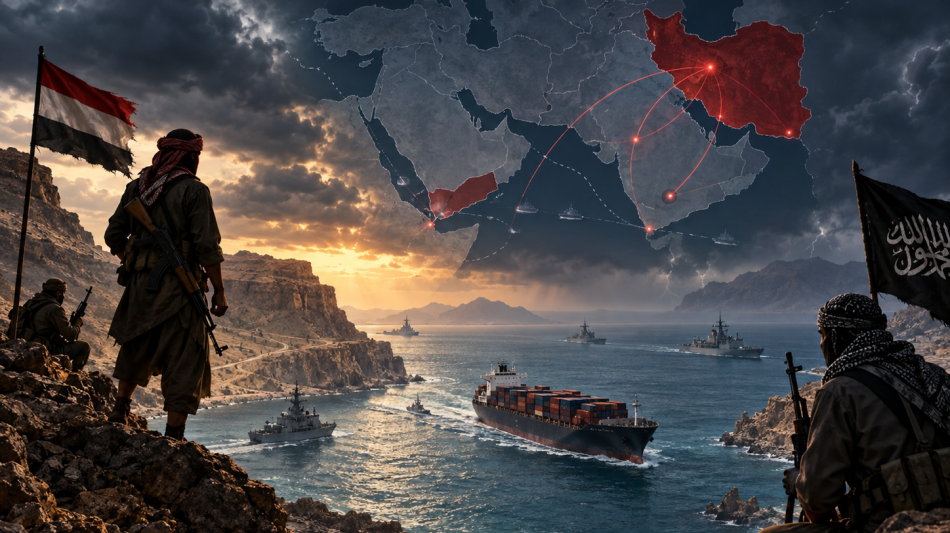
Houthis and al-Qaeda
North Korea Infiltrates Economy
Malaysia's Strategic Ascent

Boomers: Selfish or Scapegoats?
Israel presses Tehran
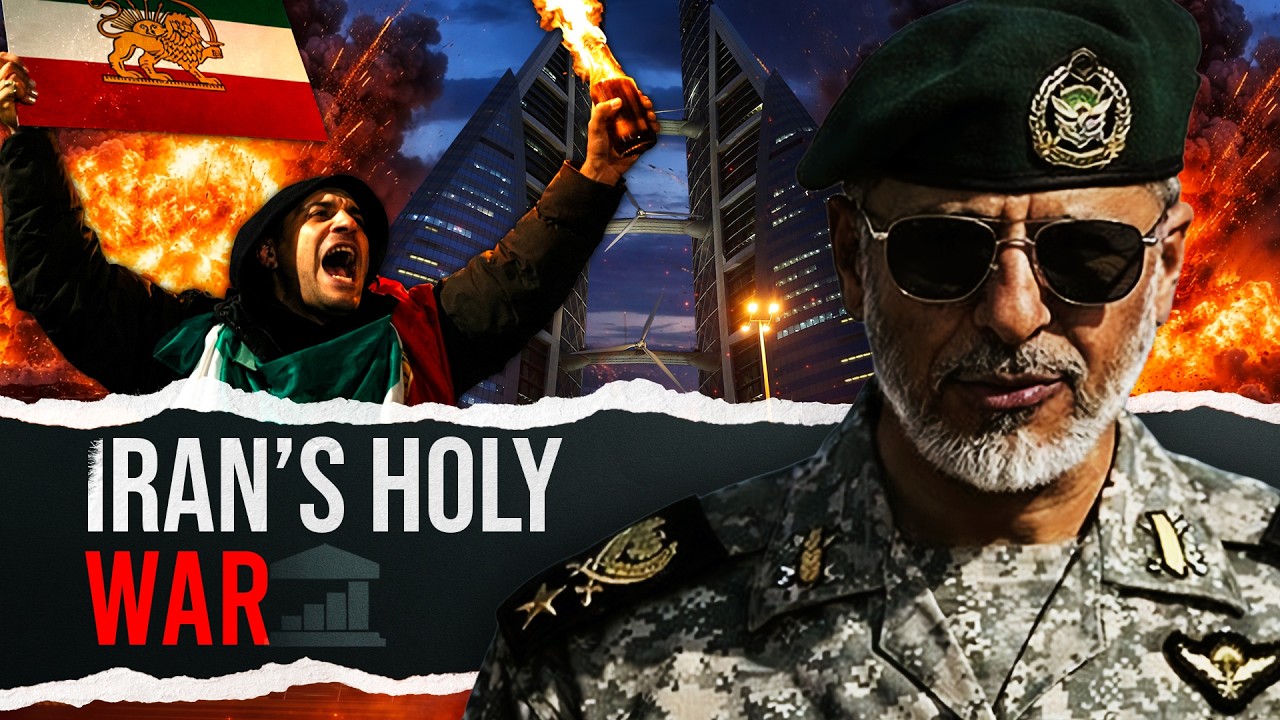
Iran and the holy War risk