-
 Mbappe draws political fire over Ceuta t-shirt controversy
-
King Charles warns tech bosses of 'existential dangers' of AI

-
 Third malaria death in Germany from outbreak tied to Frankfurt airport
-
French fishermen block ports over petrol prices

-
 AtlasClear Holdings Reports Preliminary Fiscal 2026 Revenue of Approximately $20.1 Million, Up 85%; Revenue Plus Interest Income of Approximately $21.9 Million
-
Micron's Taiwan workers say 68 months' bonus not enough

-
 'Another arrow to the quiver': World Bank posts record private capital mobilization
-
Canada's Carney pushes 'new alliance' with EU despite Trump threats

-
 Ireland to boycott Eurovision 2027 over Gaza
-
Beyond Investment Returns: Families Are Measuring Wealth by Freedom, Continuity, and Legacy, According to Nour Private Wealth

-
 India's Tata Sons reappoints N. Chandrasekaran as chairman
-
King Charles disputes claims in book by Princess Diana's brother

-
 Germany urges EU action against China to defend carmakers
-
Nepal floods among 'most challenging' disasters: WFP

-
 Japan eyes changing prostitution law to punish sex buyers
-
Kids and social media: what would change under new EU law

-
 Modi pitches India as global chipmaking hub
-
King Charles to call on tech giants for 'reassurances' over AI

-
 Ukraine plans record defence spending in 2027
-
STARPRIME Responds to Diverging Gold Market Demand with AM/PM Fixing and XAU24/7

-
 NASA scan discovers new, 'once in a century' Moon crater
-
Where the US-China tariff row stands ahead of White House summit

-
 Most stocks rise as Fed hikes and indicates drive to curb inflation
-
Indonesia cash-for-photos scheme turns animal hunters into protectors

-
 UK-Sudanese author pens book to give children 'African history of Africa'
-
Bayer to Present How it Rebuilt Global Planning with OMP at Gartner Supply Chain Planning Summit 2026

-
 Argentine judge orders suspension of Falklands oil project
-
US Congress passes sweeping Russia sanctions bill

-
 US Fed raises rates to tackle 'too high' inflation, irking Trump
-
US stocks fall, dollar gains after Fed lifts interest rates

-
 Turkey releases 106 protesters, jails more LGBTQ activists
-
US Fed raises rates to tackle 'too high' inflation in move sure to rile Trump

-
 Candidate for UN chief calls for AI regulation akin to nuclear weapons
-
US Fed raises rates to battle inflation in move likely to rile Trump

-
 'We're losing control,' AI pioneer Yoshua Bengio tells AFP
-
US House faces test on sweeping Russia sanctions bill

-
 IR-MED and Dice Technologies Announce collaboration to Evaluate and Advance Pressure-Injury Prevention Platform in Japan
-
British PM says to make 'difficult decisions' as inflation rises

-
 Watts, Pitt, Cruz to light up Spain's top film festival
-
Global fuel price demos: a round-up

-
 Toogood Gold's Table Mountain Sits in the Shadow of a Nevada Gold Rush
-
Leverate Launches MCP for Traders to Connect AI Assistants With Trading Platforms

-
 MEXC July–August Security Report: 38.66M USDT in Risk Funds Intercepted, Futures Insurance Fund Hits 792M USDT
-
MEXC Launches $1M "Discover Your Wall Street DNA" Campaign to Help Traders Find Their Market Fit

-
 Emporio Armani names Dario Vitale new creative director
-
Stocks edge higher ahead of US Fed rate call

-
 EU to ban social media for under 13s, curb access until 15
-
BASIS.pro Expands On-Chain Infrastructure with XDC Network Partnership and Zypher DAO as Auto Earn Goes Live

-
 Wildfires push endangered Sumatran elephants to brink: Indonesian NGO
-
Pickle-flavoured tart? AI inspires Japan's convenience stores

Why China props up Putin
Beijing’s refusal to condemn Moscow’s full-scale assault on Ukraine has hardened into active, if carefully calibrated, material support. Customs and corporate-registration data show Chinese firms now dominate the flow of critical metals, micro-electronics and dual-use components that keep Russia’s defence industry alive, even as Western sanctions tighten.
Recent investigative dossiers detail how small export-intermediaries in coastal provinces label drone engines as “industrial refrigeration units,” allowing them to cross Eurasia by rail and re-appear inside Shahed-style loitering munitions launched against Odesa and Kyiv.
The trade underpinning this pipeline is immense. Despite a 9 % year-on-year dip, bilateral turnover still exceeded $106 billion in the first half of 2025, with Chinese car parts, machine tools and consumer electronics filling gaps left by departing Western brands. Energy sits at the core of the partnership. Xi Jinping and Vladimir Putin agreed in May to fast-track the 50 bcm-per-year “Power of Siberia 2” gas link, which would lock in discounted Siberian gas for decades and give Moscow a lifeline as European demand evaporates.
Financial ties deepen in parallel. By late 2024 more than a third of Russia’s trade was settled in yuan, helping the Kremlin skirt dollar clearing and accelerating Beijing’s long-term bid to internationalise its currency. Yet 98 % of Chinese banks now refuse direct rouble deals, a sign of how carefully Beijing manages sanctions exposure. Strategically, Chinese planners see virtue in a protracted conflict that drains U.S. and European arsenals, diverts NATO bandwidth, and tests Western sanctions architecture—all while avoiding outright Russian collapse that could leave a NATO-leaning vacuum on China’s northern frontier.
Washington and Brussels are responding. The EU is preparing its first penalties on Chinese banks accused of laundering Russian transactions, while Kyiv has black-listed several mainland suppliers implicated in drone production.
Still, Beijing judges the benefits—energy security, discounted commodities, a pliant strategic partner, and valuable combat data for its own doctrine—outweigh the risks. The partnership remains officially “no-limits,” but in practice it is bounded by one overriding calculation: help Moscow enough to bleed Ukraine and frustrate the West, yet not so openly that secondary sanctions threaten China’s wider economic ambitions.
Why Russia can’t end war
Israel: Economy on the edge

Gaza on the cusp of civil war
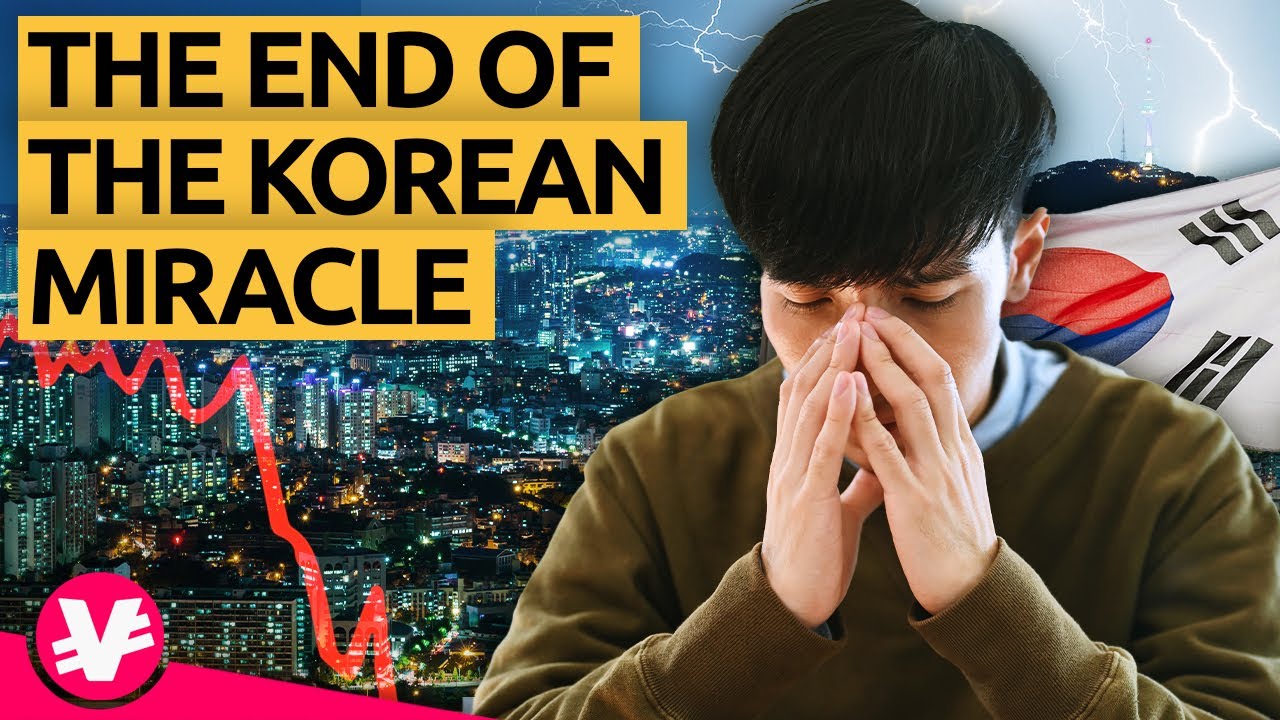
The Fall of South Korea?
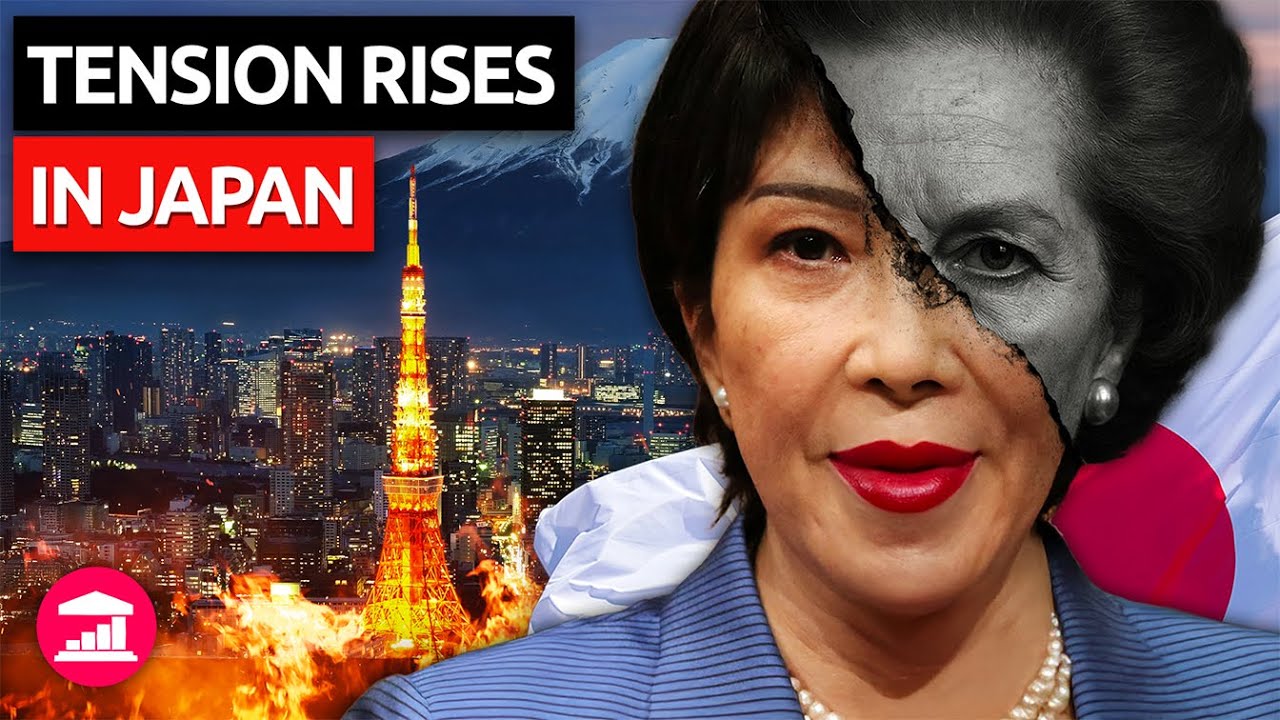
A new vision for Japan
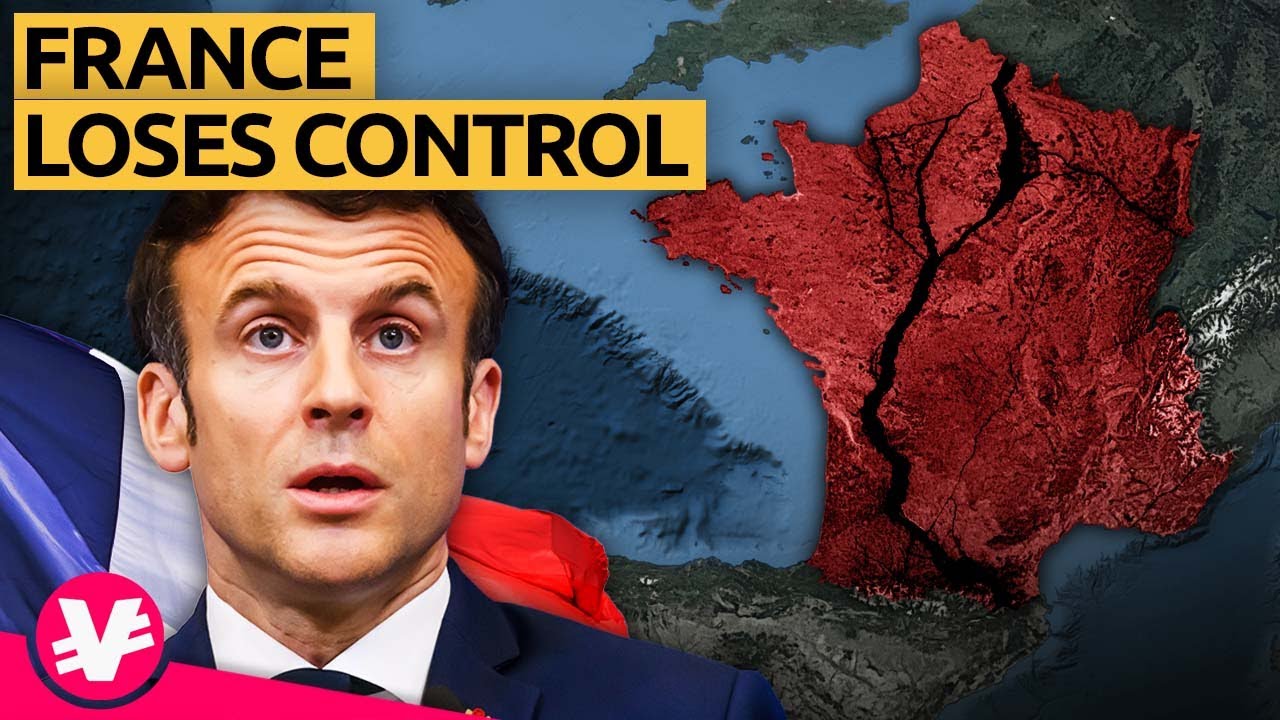
Pension crisis engulfs France

Miracle in Germany: VW soars

Israel’s Haredi Challenge
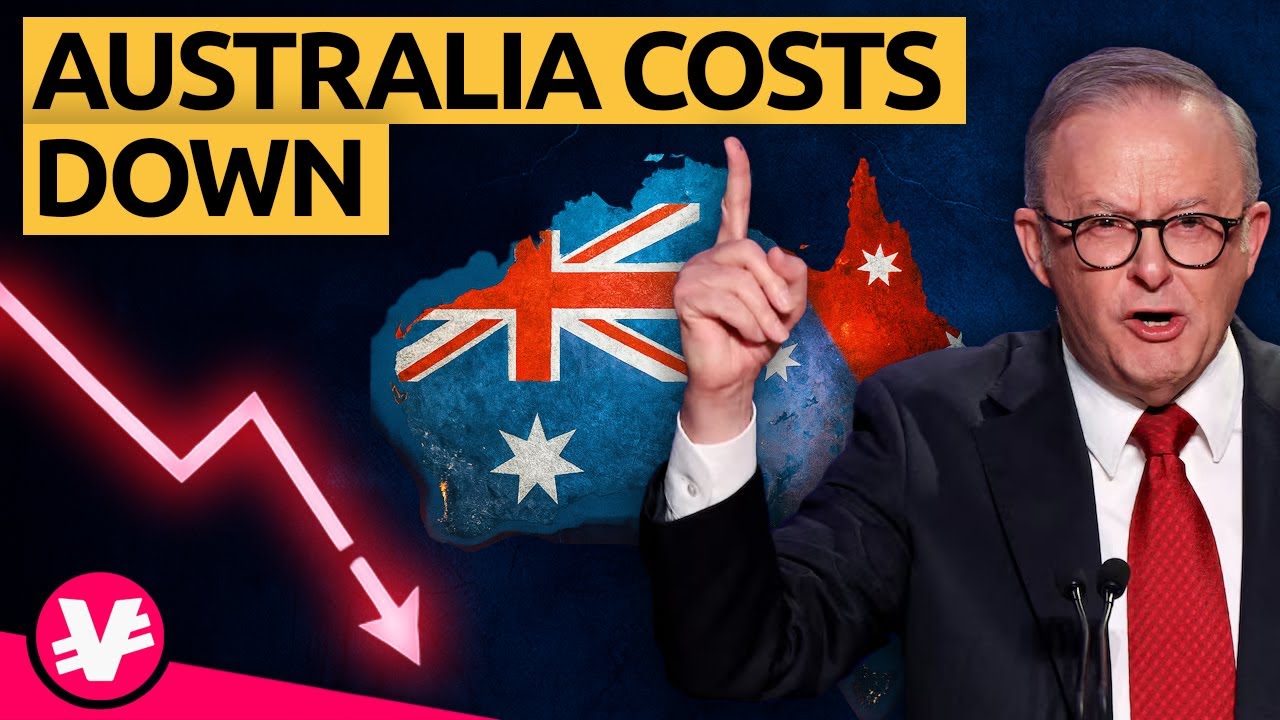
Australian economy Crisis
Europe’s power shock

New York’s lost Luster