-
 Micron's Taiwan workers say 68 months' bonus not enough
-
'Another arrow to the quiver': World Bank posts record private capital mobilization

-
 Canada's Carney pushes 'new alliance' with EU despite Trump threats
-
Ireland to boycott Eurovision 2027 over Gaza

-
 Beyond Investment Returns: Families Are Measuring Wealth by Freedom, Continuity, and Legacy, According to Nour Private Wealth
-
India's Tata Sons reappoints N. Chandrasekaran as chairman

-
 King Charles disputes claims in book by Princess Diana's brother
-
Germany urges EU action against China to defend carmakers

-
 Nepal floods among 'most challenging' disasters: WFP
-
Japan eyes changing prostitution law to punish sex buyers

-
 Kids and social media: what would change under new EU law
-
Modi pitches India as global chipmaking hub

-
 King Charles to call on tech giants for 'reassurances' over AI
-
Ukraine plans record defence spending in 2027

-
 STARPRIME Responds to Diverging Gold Market Demand with AM/PM Fixing and XAU24/7
-
NASA scan discovers new, 'once in a century' Moon crater

-
 Where the US-China tariff row stands ahead of White House summit
-
Most stocks rise as Fed hikes and indicates drive to curb inflation

-
 Indonesia cash-for-photos scheme turns animal hunters into protectors
-
UK-Sudanese author pens book to give children 'African history of Africa'

-
 Bayer to Present How it Rebuilt Global Planning with OMP at Gartner Supply Chain Planning Summit 2026
-
Argentine judge orders suspension of Falklands oil project

-
 US Congress passes sweeping Russia sanctions bill
-
US Fed raises rates to tackle 'too high' inflation, irking Trump

-
 US stocks fall, dollar gains after Fed lifts interest rates
-
Turkey releases 106 protesters, jails more LGBTQ activists

-
 US Fed raises rates to tackle 'too high' inflation in move sure to rile Trump
-
Candidate for UN chief calls for AI regulation akin to nuclear weapons

-
 US Fed raises rates to battle inflation in move likely to rile Trump
-
'We're losing control,' AI pioneer Yoshua Bengio tells AFP

-
 US House faces test on sweeping Russia sanctions bill
-
IR-MED and Dice Technologies Announce collaboration to Evaluate and Advance Pressure-Injury Prevention Platform in Japan

-
 British PM says to make 'difficult decisions' as inflation rises
-
Watts, Pitt, Cruz to light up Spain's top film festival

-
 Global fuel price demos: a round-up
-
Toogood Gold's Table Mountain Sits in the Shadow of a Nevada Gold Rush

-
 Leverate Launches MCP for Traders to Connect AI Assistants With Trading Platforms
-
MEXC July–August Security Report: 38.66M USDT in Risk Funds Intercepted, Futures Insurance Fund Hits 792M USDT

-
 MEXC Launches $1M "Discover Your Wall Street DNA" Campaign to Help Traders Find Their Market Fit
-
Emporio Armani names Dario Vitale new creative director

-
 Stocks edge higher ahead of US Fed rate call
-
EU to ban social media for under 13s, curb access until 15

-
 BASIS.pro Expands On-Chain Infrastructure with XDC Network Partnership and Zypher DAO as Auto Earn Goes Live
-
Wildfires push endangered Sumatran elephants to brink: Indonesian NGO

-
 Pickle-flavoured tart? AI inspires Japan's convenience stores
-
Bank of Japan set to raise rates under pressure from inflation, US

-
 EU chief hosts Canada's Carney in push to 'deepen' alliance
-
EU chief to unveil social media, gaming curbs for under-15s

-
 Meta chief pushes back on AI slowdown calls
-
'Resident Evil' film brings video game's ethos to the big screen

Azerbaijan defies Russia
Since the death of two Azerbaijanis in Russia, the conflict between the two countries has escalated. Since the war in Ukraine, Baku's autocrat Ilham Aliyev has been acting much more confidently towards Moscow. Relations between Azerbaijan and Russia, which for years were characterised by pragmatic cooperation, have deteriorated dramatically in recent months. The conflict unfolding in the Caucasus has far-reaching geopolitical implications and could permanently alter the balance of power in the region.
Background to the relations
Relations between Azerbaijan and Russia have long been characterised by mutual benefit. Russia was considered the protective power of Armenia, Azerbaijan's neighbour and rival, but at the same time Moscow maintained economic and political ties with Baku. Azerbaijan, rich in oil and gas reserves, played a key role in regional energy policy. However, this balance was upset when Azerbaijan strengthened its independence from Russia after its victory in the Nagorno-Karabakh conflict in 2023 and established closer relations with Turkey and the West.
Trigger for the current tensions
The current conflict began with the death of two Azerbaijani brothers in the Russian city of Yekaterinburg in June 2025. The men were arrested during a raid by the Russian domestic intelligence service and died shortly afterwards in unclear circumstances. While Russian authorities claimed that the deaths were natural, an Azerbaijani autopsy revealed serious injuries, sparking allegations of torture and ethnically motivated violence. This incident sparked a wave of outrage in Azerbaijan and set off a chain of events that exacerbated tensions.
Escalating events
In response to the incident, Azerbaijan cancelled all planned Russian cultural events and raided the offices of a Russian foreign broadcaster in Baku, arresting several journalists. Another high point was the crash of an Azerbaijani passenger plane in December 2024 on its way to Grozny in Chechnya.
The accident claimed the lives of 38 people. While Russia attributed the crash to a bird strike, Azerbaijan suspects that a Russian missile was responsible. President Aliyev then threatened legal action at the international level.
Reactions from both sides
Azerbaijan has strengthened its position by moving closer to the West and supporting Ukraine in its war against Russia. At the same time, the country has expanded its energy exports to Europe in order to secure its economic independence. Russia, on the other hand, sees itself weakened by the war in Ukraine and is responding with a mixture of threats and appeasement. Official spokespeople warned Azerbaijan against a deterioration in relations, while nationalist voices in Russia called for tougher measures against Azerbaijani migrants.
Consequences for the Caucasus
The South Caucasus is a strategically important region that serves as a transit corridor for energy exports and connects Europe with Asia. An escalating conflict could jeopardise Europe's energy supply and undermine the stability of the region. Russia's waning influence, coupled with the growing role of Turkey and the West, is changing the geopolitical landscape. The conflict could also strain relations between Russia and Turkey, which have different interests in the region.
Outlook for the political future
The future remains uncertain. Some warn of further escalation that could lead to military confrontation. Others are counting on diplomatic solutions, possibly through mediation by international actors such as the European Union. What is clear, however, is that relations between Azerbaijan and Russia have reached a low point and that the Caucasus faces an uncertain future.

Truth: The end of the ‘Roman Empire’

US: Trump begins mass deportations!
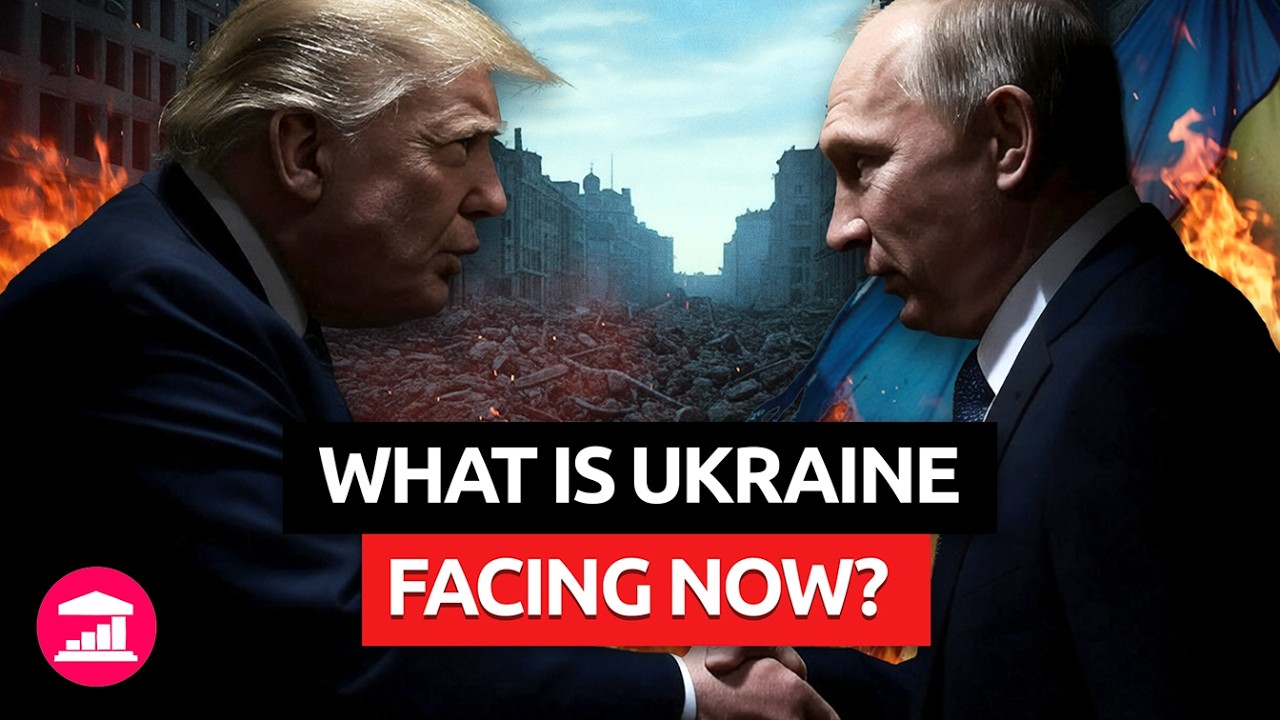
Russia and the terrorism against Ukraine
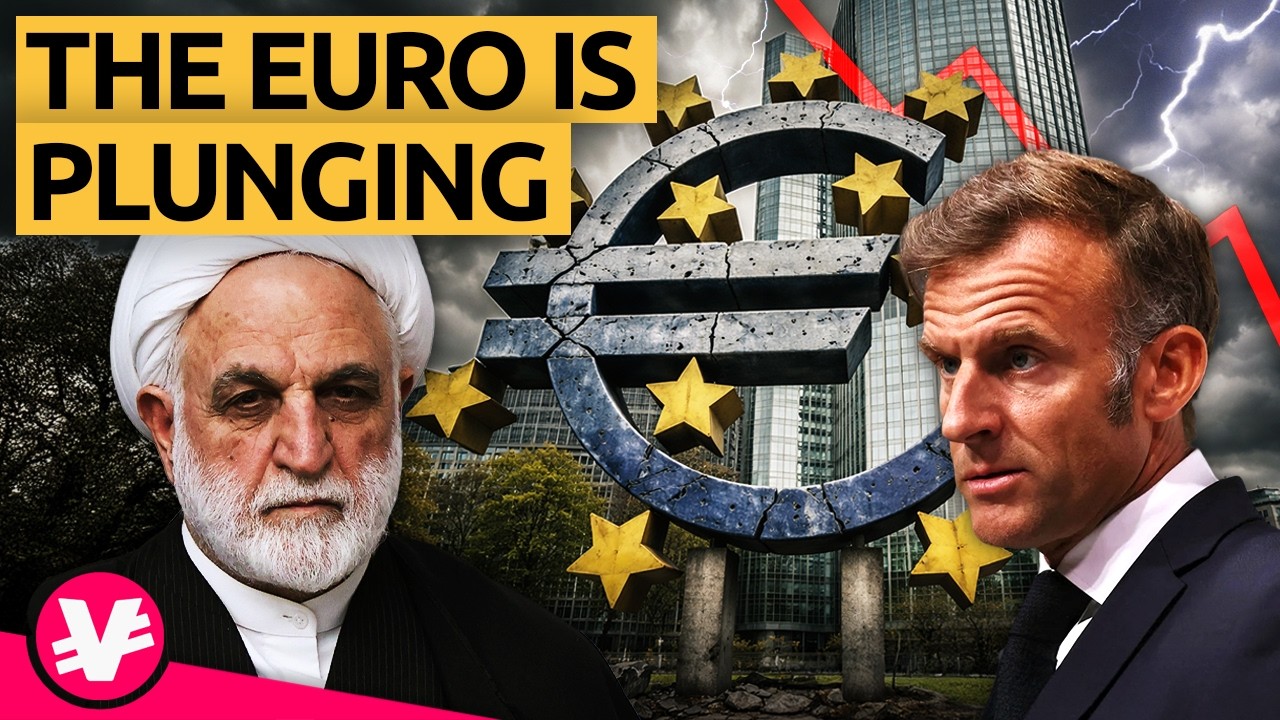
Iran lifts Dollar, sinks Euro
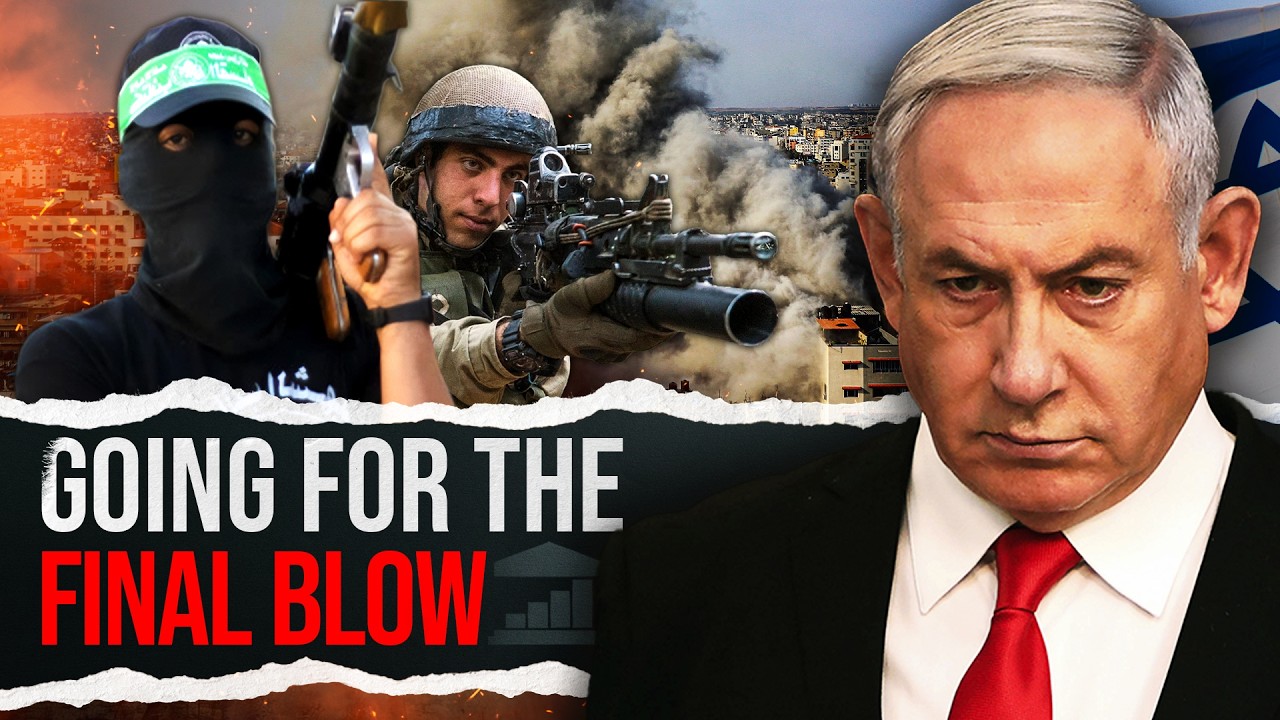
Is that Israel's final blow?
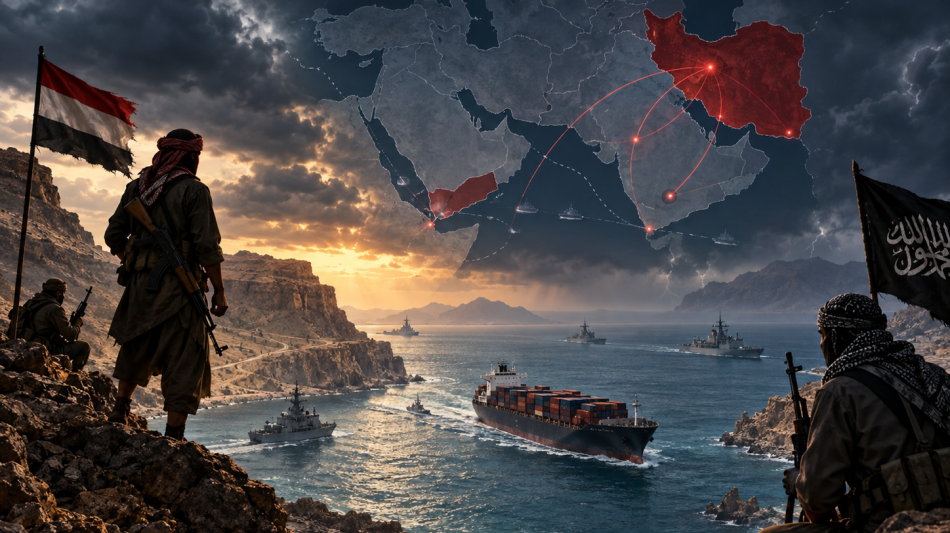
Houthis and al-Qaeda

North Korea Infiltrates Economy
Malaysia's Strategic Ascent

Boomers: Selfish or Scapegoats?
Israel presses Tehran
Iran and the holy War risk