-
 Mbappe draws political fire over Ceuta t-shirt controversy
-
King Charles warns tech bosses of 'existential dangers' of AI

-
 Third malaria death in Germany from outbreak tied to Frankfurt airport
-
French fishermen block ports over petrol prices

-
 AtlasClear Holdings Reports Preliminary Fiscal 2026 Revenue of Approximately $20.1 Million, Up 85%; Revenue Plus Interest Income of Approximately $21.9 Million
-
Micron's Taiwan workers say 68 months' bonus not enough

-
 'Another arrow to the quiver': World Bank posts record private capital mobilization
-
Canada's Carney pushes 'new alliance' with EU despite Trump threats

-
 Ireland to boycott Eurovision 2027 over Gaza
-
Beyond Investment Returns: Families Are Measuring Wealth by Freedom, Continuity, and Legacy, According to Nour Private Wealth

-
 India's Tata Sons reappoints N. Chandrasekaran as chairman
-
King Charles disputes claims in book by Princess Diana's brother

-
 Germany urges EU action against China to defend carmakers
-
Nepal floods among 'most challenging' disasters: WFP

-
 Japan eyes changing prostitution law to punish sex buyers
-
Kids and social media: what would change under new EU law

-
 Modi pitches India as global chipmaking hub
-
King Charles to call on tech giants for 'reassurances' over AI

-
 Ukraine plans record defence spending in 2027
-
STARPRIME Responds to Diverging Gold Market Demand with AM/PM Fixing and XAU24/7

-
 NASA scan discovers new, 'once in a century' Moon crater
-
Where the US-China tariff row stands ahead of White House summit

-
 Most stocks rise as Fed hikes and indicates drive to curb inflation
-
Indonesia cash-for-photos scheme turns animal hunters into protectors

-
 UK-Sudanese author pens book to give children 'African history of Africa'
-
Bayer to Present How it Rebuilt Global Planning with OMP at Gartner Supply Chain Planning Summit 2026

-
 Argentine judge orders suspension of Falklands oil project
-
US Congress passes sweeping Russia sanctions bill

-
 US Fed raises rates to tackle 'too high' inflation, irking Trump
-
US stocks fall, dollar gains after Fed lifts interest rates

-
 Turkey releases 106 protesters, jails more LGBTQ activists
-
US Fed raises rates to tackle 'too high' inflation in move sure to rile Trump

-
 Candidate for UN chief calls for AI regulation akin to nuclear weapons
-
US Fed raises rates to battle inflation in move likely to rile Trump

-
 'We're losing control,' AI pioneer Yoshua Bengio tells AFP
-
US House faces test on sweeping Russia sanctions bill

-
 IR-MED and Dice Technologies Announce collaboration to Evaluate and Advance Pressure-Injury Prevention Platform in Japan
-
British PM says to make 'difficult decisions' as inflation rises

-
 Watts, Pitt, Cruz to light up Spain's top film festival
-
Global fuel price demos: a round-up

-
 Toogood Gold's Table Mountain Sits in the Shadow of a Nevada Gold Rush
-
Leverate Launches MCP for Traders to Connect AI Assistants With Trading Platforms

-
 MEXC July–August Security Report: 38.66M USDT in Risk Funds Intercepted, Futures Insurance Fund Hits 792M USDT
-
MEXC Launches $1M "Discover Your Wall Street DNA" Campaign to Help Traders Find Their Market Fit

-
 Emporio Armani names Dario Vitale new creative director
-
Stocks edge higher ahead of US Fed rate call

-
 EU to ban social media for under 13s, curb access until 15
-
BASIS.pro Expands On-Chain Infrastructure with XDC Network Partnership and Zypher DAO as Auto Earn Goes Live

-
 Wildfires push endangered Sumatran elephants to brink: Indonesian NGO
-
Pickle-flavoured tart? AI inspires Japan's convenience stores

Geopolitics: Peru's balancing act
In the evolving landscape of global politics, the competition between the United States and China for influence and control has become increasingly pronounced. This rivalry is not confined to their own borders but extends to regions across the world, including Latin America. Peru, a country rich in resources and strategically located on the Pacific coast, has found itself at the center of this geopolitical tug-of-war. Far from being a passive player, Peru has been actively engaging with both superpowers, leveraging its position to advance its own interests and secure its place in the new world order.
Peru's Strategic Importance
Peru's strategic importance is underscored by its vast natural resources, including significant deposits of copper, gold, and silver, which are crucial for global industries. Its location on the Pacific coast makes it a key gateway for trade between Asia and Latin America. Moreover, Peru's active participation in regional organizations like the Pacific Alliance and its hosting of international events like the APEC summit highlight its growing influence in the region.
Strengthening Ties with China
China has been steadily increasing its presence in Peru, particularly through investments in the mining and energy sectors. The construction of the Chancay mega-port, a project led by Chinese state-owned companies, is set to transform Peru into a major trade hub between Asia and Latin America. This port is expected to significantly reduce shipping times and costs, thereby boosting Peru's economy and enhancing its role in global trade.
Deepening Relations with the USA
The United States, a long-standing partner of Peru, has also been actively engaging with the country. The Peru-United States Trade Promotion Agreement, which came into effect in 2009, has facilitated trade and investment between the two nations. Additionally, the USA's Americas Partnership for Economic Prosperity aims to promote economic competitiveness in the region, including Peru. However, the USA has also expressed concerns about China's growing influence in Peru and other Latin American countries, viewing it as a potential threat to its own interests.
Navigating the Superpower Rivalry
Peru has been carefully navigating the competition between the USA and China, striving to maintain good relations with both while advancing its own interests. By signing free trade agreements with both powers and welcoming investments from both, Peru has positioned itself as a neutral player in this geopolitical rivalry. Moreover, Peru's active participation in regional organizations like the Pacific Alliance demonstrates its commitment to regional cooperation and integration, which can serve as a counterbalance to the influence of external powers.
Challenges and Risks
However, Peru's strategy is not without risks. The country must carefully manage its relations with both the USA and China to avoid becoming overly dependent on either. Additionally, as the competition between the two powers intensifies, Peru may find itself caught in the crossfire, facing pressure to choose sides. Nevertheless, Peru's pragmatic approach and its focus on regional cooperation suggest that it is well-positioned to navigate these challenges and secure its place in the new world order.
Conclusion of all
In conclusion, Peru's strategic importance and its proactive engagement with both the United States and China have positioned it as a key player in the new world order. By leveraging its resources, location, and regional influence, Peru has managed to navigate the competition between the two superpowers, advancing its own interests while maintaining a delicate balance. As the global landscape continues to evolve, Peru's role is likely to become even more significant, underscoring the importance of its pragmatic and forward-looking approach.

Germany under Weidel
India's island choke point
China’s lithography leap
China’s cartel lifeline
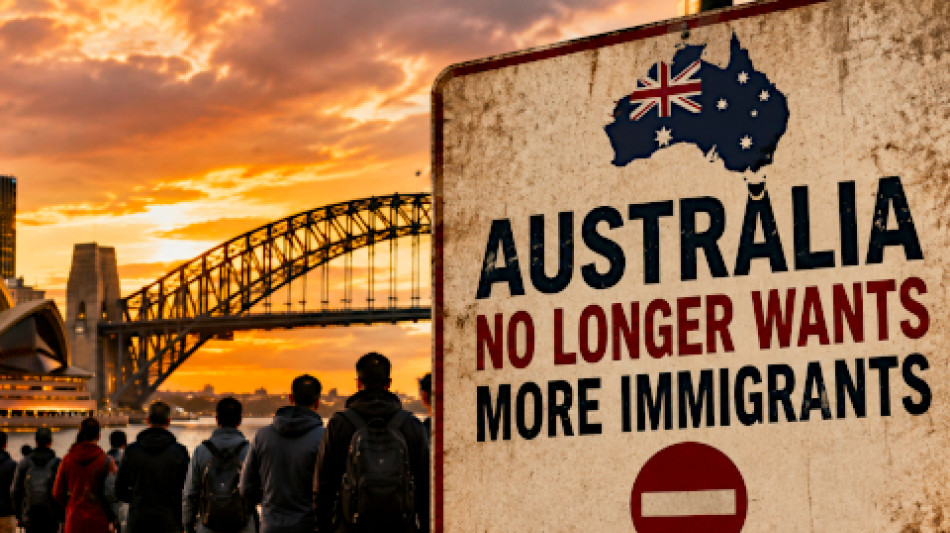
Australia limits migration
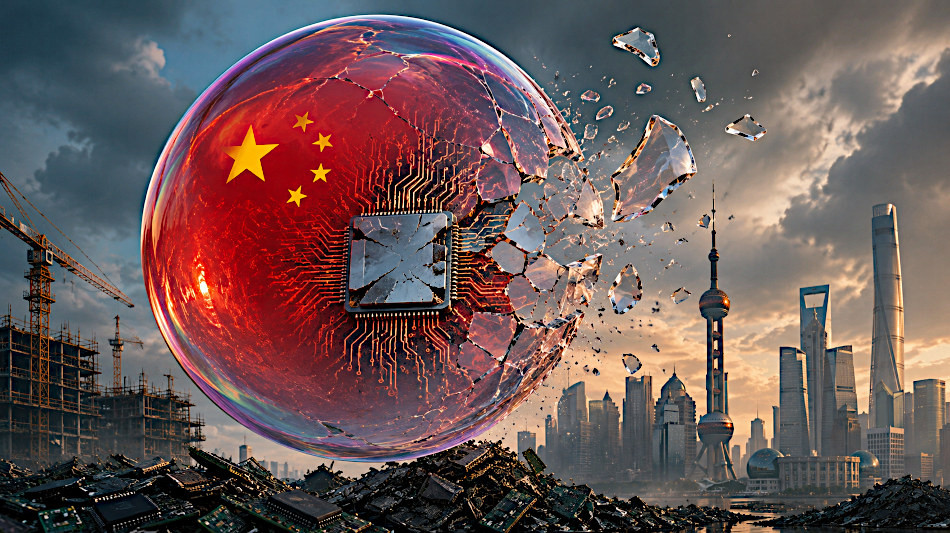
China's silicon reckoning
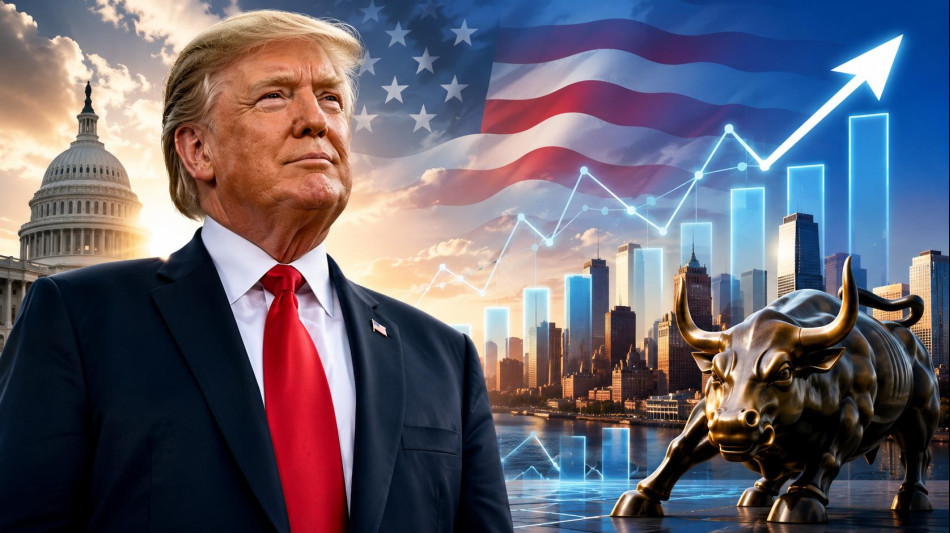
Unexpected economic twist
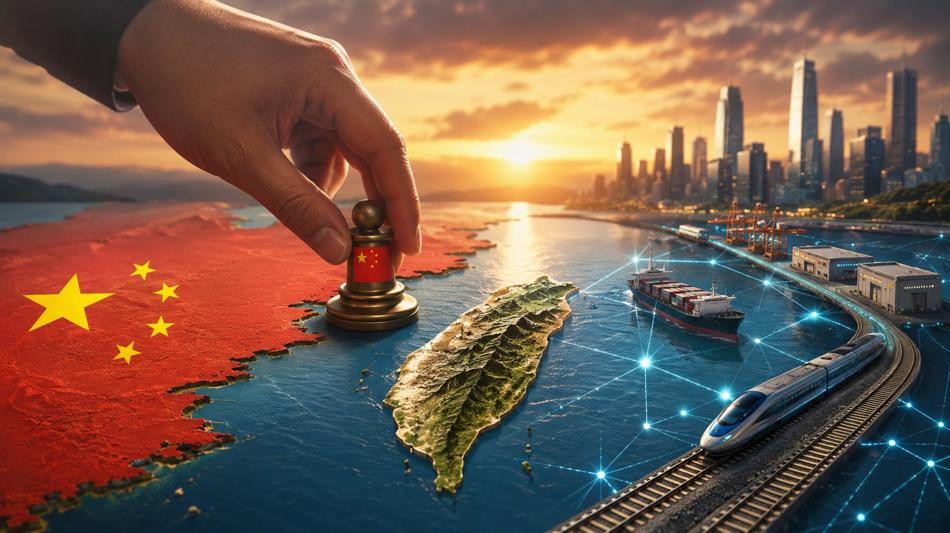
Beijing's new Taiwan playbook

Saudi Arabia’s Costly Mirage
Latin America’s age trap
Sweden’s welfare reckoning