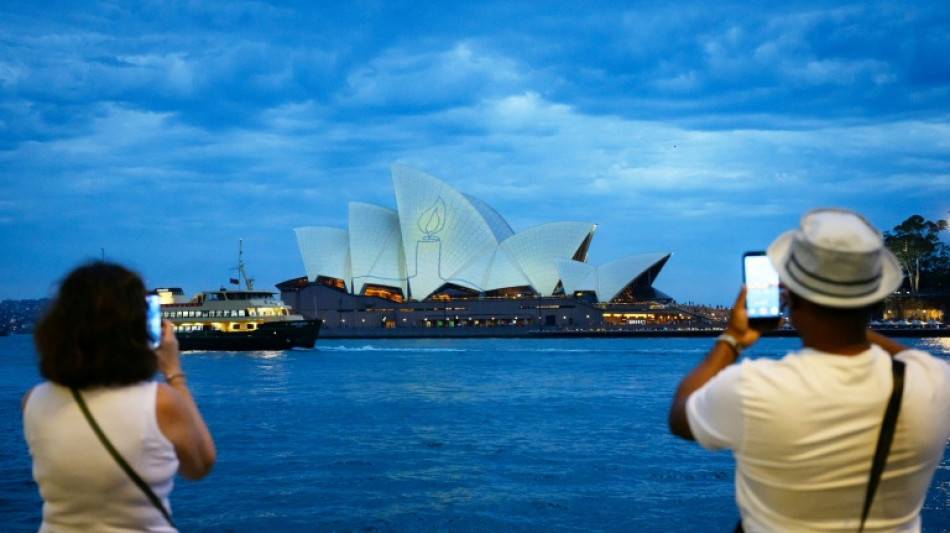
Australia mourns in candlelight for Bondi Beach shooting victims / Photo: GEORGE CHAN - AFP/File

 AI 'warning shots' focus Beijing on national security risks

 Philippine tribe in limbo over US-led tech hub
 Saudi-led coalition says Houthis fired ballistic missile at Riyadh
 Cuba works to restore power after another blackout
 Brigitte Bardot widower slams sale of star's belongings
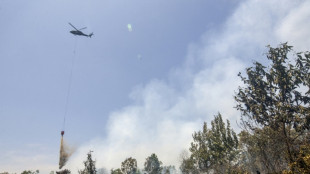 Indonesia accepts Malaysia's help to tackle wildfires
 Nvidia, OpenAI CEOs to attend Xi dinner at White House

 Cuba hit with seventh major blackout of the year

 Nigeria miners struggled to breathe in cell before 37 died: survivors

 Warren Buffett steps down as Berkshire Hathaway chairman

 Isolated Syrian-Druze city blames Damascus for shortages

 Kerry James Marshall: American 'blackness' painter celebrated in Europe

 Infantino 'must go', says German FA vice-president

 Japan's busiest rail station tests robot bins

 Backpackers fret over Australian visa crackdown

 Bank of Japan hikes rates to 31-year high to battle inflation

 AI doomsday warnings unlikely to slow IPOs but questions linger

 In Brazil's Amazon, the hunt for oil fuels hopes and fears

 Baby orangutans in India expose 'frightening' scale of trafficking

 Oversight Board blasts 'inadequate' Meta safeguards for AI deepfakes

 Harry makes first public appearance since return to UK

 Princess Diana's brother makes new explosive claims against Charles

 Trump admin overhauls key protection for endangered species

 Mbappe draws political fire over Ceuta t-shirt controversy

 Third malaria death in Germany from outbreak tied to Frankfurt airport

Australians fell silent and lit candles on a national day of mourning on Thursday for the 15 people killed by gunmen who opened fire on a Jewish festival at Bondi Beach.
Millions observed a minute's silence at 7:01 pm east coast time (0801 GMT) as flags flew at half-mast for victims of the December 14 mass shooting, Australia's deadliest in three decades.
People placed candles in windows and on doorsteps in homes around the country.
Families and representatives of the dead lit 15 candles, too, in a ceremony of prayers and tributes at the Sydney Opera House, with the theme "Light Will Win".
Under a cloak of security, snipers perched on top of the famous building's sails.
"You came to celebrate a festival of light and freedom, and you were met with the violence of hatred," said Prime Minister Anthony Albanese, who wore a Jewish kippa as he addressed the Opera House gathering.
"I am deeply and profoundly sorry that we could not protect your loved ones from this evil."
Sajid Akram and his son Naveed allegedly shot into crowds at a Hanukkah celebration on the Sydney beach, inspired by Islamic State group ideology.
- Antisemitism -
Among the victims were an 87-year-old Holocaust survivor, a couple who confronted one of the gunmen, and a 10-year-old girl, Matilda, who was described at her funeral as a "ray of sunshine".
First responders raced to treat the wounded despite the dangers of that day, strangers sheltered each other from gunfire, and shop owner Ahmed al Ahmed famously wrested a gun from one of the attackers.
"They're the heroes, aren't they? The people that stepped in and put themselves in danger," school teacher David Barrett said at Bondi Beach.
"It's a shame that people had to do that. But I suppose that just shows the Australian spirit that people are always willing to step in and help out."
Albanese has faced criticism for alleged foot-dragging in combating antisemitism ahead of the attack.
Since the shooting, he has agreed to establish a high-level royal commission inquiry, which is to include examinations of the security services' actions, and rising reports of antisemitism.
His left-leaning Labor government ushered through parliament new laws this week that seek to tighten gun control and crack down on crimes of hate speech and radicalisation.
The legislation stiffens sentences on hate speech and radicalisation, sets up a framework for listing prohibited hate groups and makes it easier to reject or cancel visas for suspects.
- Security questions -
On firearms, Australia will set up a national gun buyback scheme, tighten rules on imports of the weapons and expand background checks for gun permits to allow input from the intelligence services.
Alleged gunman Sajid Akram, 50, was shot and killed by police during the Bondi Beach attack. An Indian national, he entered Australia on a visa in 1998.
His 24-year-old son Naveed, an Australian-born citizen who remains in prison, has been charged with terrorism and 15 murders.
Police and intelligence agencies face difficult questions about whether they could have acted earlier to prevent the shooting.
Naveed Akram was flagged by Australia's intelligence agency in 2019, but he slipped off the radar after it was decided that he posed no imminent threat.
The Akram duo travelled to the southern Philippines in the weeks before the shooting, fuelling suspicions they may be linked to Islamist extremists.
But Australian police say the evidence so far suggests they acted alone.
Ch.Lefebvre--CPN