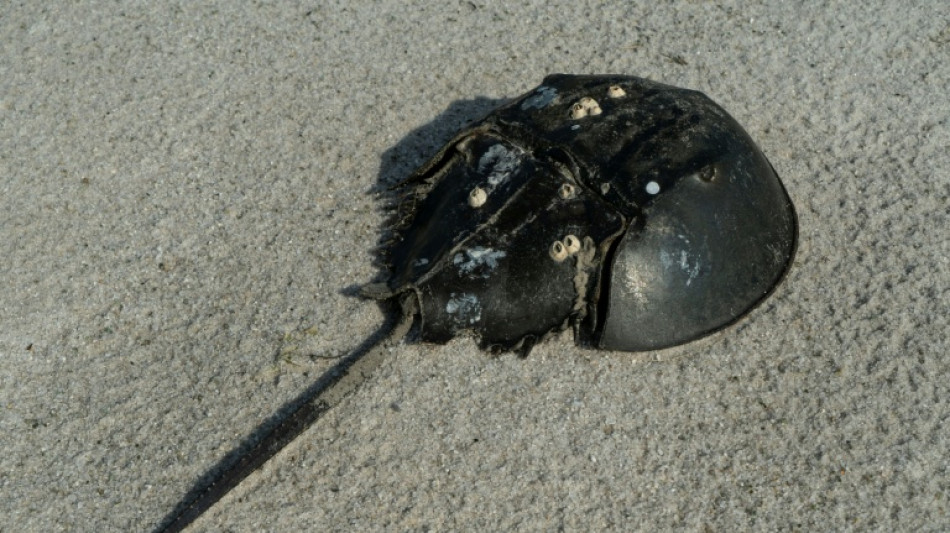
Conservationists sue Trump admin over inaction on horseshoe crabs / Photo: Bastien INZAURRALDE - AFP/File

 Multi-Asset Trading Venue Monochrome Exchange Announces IEO of Its Native Token, $MCR

 Data centre command hub keeps AI up and running
 Leo XIV, first US pope transcends his restrained style
 France's debt climbs to highest since 1978: ministry
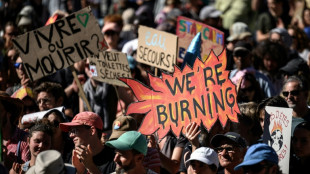 Thousands protest inaction over climate crisis in Switzerland
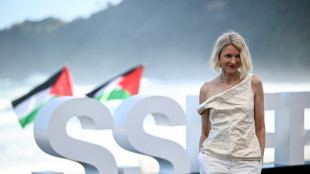 UK actor Naomi Watts honoured at Spain film festival
 Trump signs bill authorizing sweeping Russia sanctions

 Anthropic picks Accenture for in-house AI safety evaluation

 Hushing and hedging: US companies retreat on climate

 Crisis-wracked Volkswagen warns of 10-bn-euro hit to profits

 Shakira to cap off world tour with Madrid 12-gig run

 Isolated Syrian-Druze city shortages

 UNESCO can be 'moderator' in AI debate: chief to AFP

 Russia seizes assets of Nestle, French firms

 Anthropic says AI systems moving towards building themselves

 Asian stocks boosted by falling oil, yen weakens after BoJ rate hike

 Afghan medical students in Pakistan hope court stops college expulsions

 Australia to detain tourists who overstay visa, minister says

 Asian stocks track Wall St rally as oil prices drop

 Prized Mexican relic returns on loan, two centuries on

 'In our lane': Fed's Warsh defies Trump but still fighting for credibility

 Trump admin makes major cut to endangered species protections

 GM delivers first components for US interceptor missiles

 Travis Scott and Keith Richards feature on GTA VI soundtrack

 King Charles warns tech bosses of 'existential dangers' of AI

A conservation group sued President Donald Trump's administration on Monday over its failure to act on protecting American horseshoe crabs, which are increasingly threatened by the harvesting of their blood for drug safety testing.
Sometimes called "living fossils," horseshoe crabs have patrolled the world's shallow coastal waters for more than 450 million years, outlasting the dinosaurs.
But their population has cratered more than 70 percent since 2000 as a result of over-harvesting and habitat loss.
Their bright blue blood is used for testing the safety of biomedical products, despite synthetic alternatives now approved and widely used in Europe and Asia.
"Harvesting horseshoe crabs for blood is now the number one threat to horseshoe crabs," Will Harlan, a scientist at the Center for Biological Diversity, which brought the legal case against the National Marine Fisheries Service (NMFS), told AFP.
"We think because horseshoe crabs are so depleted overseas -- the other three species of horseshoe crabs are all even more endangered than the American horseshoe crab -- and so demand globally has shifted to the United States," he added, with biomedical harvests doubling over the past seven years.
The Center for Biological Diversity, along with 25 other organizations, petitioned the federal government in February 2024 -- when former president Joe Biden was in office -- to list the American horseshoe crab (Limulus polyphemus) as threatened or endangered, and to designate areas as critical habitats.
Under the Endangered Species Act, such a petition triggers a 90-day deadline to issue an initial finding. While the law allows some flexibility, it requires that a scientifically justified decision be reached within a year. Rejection can pave the way for appeal.
"Unfortunately, under both administrations, we've been waiting for a decision that, by law, was supposed to come much sooner," said Harlan. "But these horseshoe crabs can't wait any longer."
Since the 1970s, horseshoe crabs have been caught, bled alive, and returned to the sea to harvest a protein called "Factor C," which detects endotoxins that can contaminate drugs.
Some companies, including Eli Lilly -- known for its weight-loss drugs -- have earned praise for converting most of their operations to synthetic alternatives.
With helmet-like shells, spike-like tails and five pairs of legs connected to their mouths, horseshoe crabs crawl ashore along the Atlantic and Gulf coasts each spring to lay their eggs on beaches in massive spawning events.
As their numbers have declined, so too have the species that depend on them, including sea turtles, fish and birds.
The Trump administration has sought to weaken the landmark Endangered Species Act -- proposing, for example, to allow economic considerations to factor into what were previously science-based decisions.
X.Cheung--CPN