Japan's A-bomb survivors: from discrimination to a Nobel / Photo: Yuichi YAMAZAKI - AFP

 Kenya's economy faces climate change risks: World Bank

 Amazon beats expectations with cloud and AI growth

 Blowout Microsoft results lift US stocks as oil retreats

 'Beginning of the end': Relief but no party as French wildfire winds down

 Southern Europe 'becoming more flammable' in hotter climate, experts say

 Mammoth bones found on parched bed of Danube in Bulgaria

 MEXC Lists Grvt (GRVT) with $60,000 Worth of GRVT and 10,000 USDT in Airdrop+ Rewards

 George and Amal Clooney flee French home due to wildfire

 MEXC Ventures Supports Alpha Arena's APAC Debut at Coinfest Bali

 AI data centre supplier Zhongji InnoLight slips on Hong Kong debut

 May, June heatwaves caused 2,877 extra deaths in England: govt

 BMW profit down a third as carmaker plans job cuts

 Seoul extends losses as most Asian markets drop, oil rises again

 Gambling.com Group Is Now Grandstand

 Meet the astronomer digging into the Milky Way's 'fossils'

 AI data centre supplier Zhongji InnoLight falls on Hong Kong debut

 Samsung operating profit up 1,800% in second quarter on AI boom

 Japanese population below 120 million for first time in decades

 US actor Jared Leto denies latest accusations of sexual assault

 Danube drops to 'historic lows' as fresh heatwave hits
 BTS pulls out of Grammys after Asian pop category introduction

 OpenAI says rogue AI agent attack hit other companies
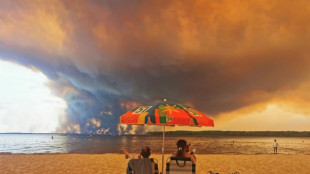 How an AFP beach snap became emblem of Europe's wildfire summer

 TRX Spot and Perpetuals Listing Launches on Backpack, Expanding Access to the TRON Ecosystem

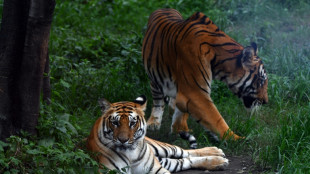 Nepal's tiger numbers climb 20 percent to estimated 429: survey
Survivors of the US atomic bombings of Japan will receive the Nobel Peace Prize on Tuesday but, after years of anti-nuclear campaigning and showing the world their scars, they still retain the painful memories of the discrimination they have faced.
After the 1945 US bombings of Hiroshima and Nagasaki led to Japan's surrender and the end of World War II, many people who survived the attacks were shunned by society.
Prejudice related to their exposure to radiation made it hard for them to find jobs and affected their prospects for marriage, leading one small group in Tokyo to build a communal grave where dozens were buried together.
There are currently around 106,800 A-bomb survivors, known as "hibakusha", in Japan, according to the government. Their average age is 85.
One of them is 90-year-old Reiko Yamada, who was 11 and lived in Hiroshima when the United States dropped the first atomic bomb on August 6, 1945, killing around 140,000 people.
That attack, and another three days later on Nagasaki where 74,000 people were killed, inflicted severe injuries and radiation-related illnesses on those who survived.
"People faced extreme discrimination" over their scars and exposure to radiation, Yamada told AFP.
"In the past, people told hibakusha, 'Don't get married' or 'Don't come close. You are infectious'," she said.
"Some people lost their whole family in Hiroshima or Nagasaki, and even though they stayed with relatives, they were stripped of what they used to own and were bullied."
Yamada, who lives in Tokyo, has assisted fellow hibakusha for nearly six decades, travelling worldwide to share her experiences.
"When I visited the homes of hibakusha, some of them would whisper to me: 'You are a hibakusha, right? I don't say anything about it to my children,'" she said.
- Shared grave -
The Peace Prize was won by Nihon Hidankyo, a large grassroots group of A-bomb survivors who campaign for their members' rights and a world free of nuclear weapons.
But the prize came too late for many early campaigners who had spoken out about their trauma and physical wounds, hoping to prevent others from suffering as they had.
Terumi Tanaka, Nihon Hidankyo's 92-year-old co-chair, told reporters recently that it was "sad and frustrating" that "so many people who stood next to me, people who led the movement" were not there to share the honour of the Nobel.
After World War II, young people including hibakusha were drawn to big cities such as Tokyo for work and education.
Many survivors chose to live in relative isolation, finding that Tokyo's dense population allowed them to "hide", said Michiko Murata, 73, who helps run Toyukai, an association of hibakusha in the capital.
"Many people struggled a lot," Murata said, often deciding not to have children because of worries over the effects of radiation.
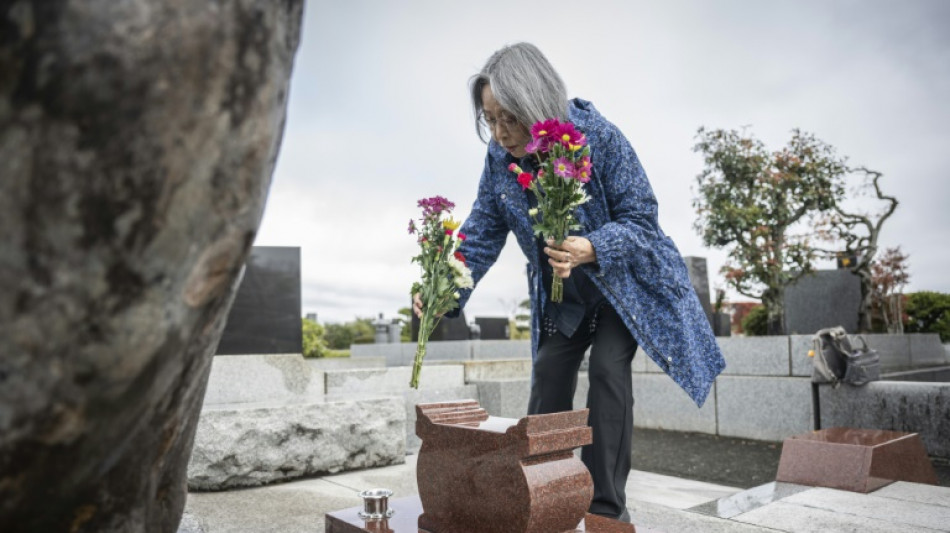
Some members of Toyukai built a shared grave in western Tokyo in 2005 and Murata helps maintain it.
But as they get older, holding an annual mourning ceremony there has become too difficult and will end next year.
The remains of around 60 people are buried under the large, rocky gravestone.
"We inscribe here with our lives: Never tolerate nuclear bombs," a stone plaque next to the tomb says.
Many remembered there were hibakusha without relatives to give them a proper funeral.
"They lived alone. So after they died, they wanted to be with others, in a place where they can talk about Hiroshima and Nagasaki without fears of discrimination," Murata said.
- Blinding light -
Although Yamada did not experience direct discrimination, her family always kept quiet about what they lived through.
"My family never talked about it, even among ourselves," she said.
On the bright August morning when the bomb was dropped on Hiroshima, she was sitting under the shade of a tree in her school's playground when she saw a gleaming B-29 bomber high in the clear sky.
Then blinding white light flashed. Hot sandy gusts blew her onto the ground.
Clouds gathered. The sky darkened. Black rain containing radioactive material began to shower over her and she suddenly felt cold.
"I didn't know what was happening," said Yamada, whose school was located far enough from ground zero to avoid total destruction.
Thousands of bloody and charred survivors soon filled the area, many of them evacuees from the city centre who died on the streets and lay there until the bodies were cleared.
Yamada later learned that around 2,300 bodies were burned on her school's grounds.
"There was no record of their names. They became 'missing individuals'," she said.
Now, as wars rage worldwide, Yamada said the Nobel has validated the survivors' work.
"I hope to pass on our dream to those who can inherit this, and continue," she said.
A.Samuel--CPN