Mideast, Central Asia temperature-rises twice world average: IMF

 Wildfires push endangered Sumatran elephants to brink: Indonesian NGO

 Bank of Japan set to raise rates under pressure from inflation, US

 EU chief to unveil social media, gaming curbs for under-15s

 'Resident Evil' film brings video game's ethos to the big screen

 i-payout Expands U.S. Money Transmitter Licensing Footprint and Advances European EMI Strategy

 US Senate crypto bill collapses amid partisan deadlock

 OpenAI, Anthropic and Google are working to create an AI standards body

 Protesting shepherds, farmers clash with Romanian police

 Foundation Lets Ledger Users Switch to Open Source Without Starting Over

 EU to propose curbing social media, online games for under 15s

 FX Junction Reaches 40,600 Members and 26 Million Trades

 'We unleashed the beast': the world's fears and hopes about AI

 Hospitality leaders ask Burnham to halve VAT amid rising costs

 Worcestershire invited to nominate groups for 2027 King’s volunteer award

 Berlin's run-down public spaces at heart of election campaign

 'Widow's Bay' and 'The Pitt' win big at Emmy Awards

 Most markets drop as oil extends gains ahead of expected US rate hike
 Sri Lanka's famed beach shack battles demolition

 Vserv targets ₹1,000 crore revenue by 2030 through AI expansion

 India prohibits bank fees on UPI payments up to ₹2,000

 Brazil's Amazon defender Raoni has cancer

 Trump rejects AI slowdown concerns as UN urges coordinated controls

 Higher wages draw migrant workers to Kashmir despite attacks

 Oil supply concerns and AI warnings weigh on global markets

 'I am the hoax buster': Trump rejects AI danger warnings

Temperatures in the Middle East and Central Asia have risen 1.5 degrees Celsius (2.7 Fahrenheit) since the 1990s, twice the global average, according to an International Monetary Fund report released on Wednesday.
The region is on the "frontlines" of the climate crisis, with food security and public health in danger, and increased risks of poverty and conflict, the report warned.
In an average year this century, climate disasters in the Middle East and Central Asia have injured and displaced seven million people and caused more than 2,600 deaths, along with $2 billion in physical damage, it said.
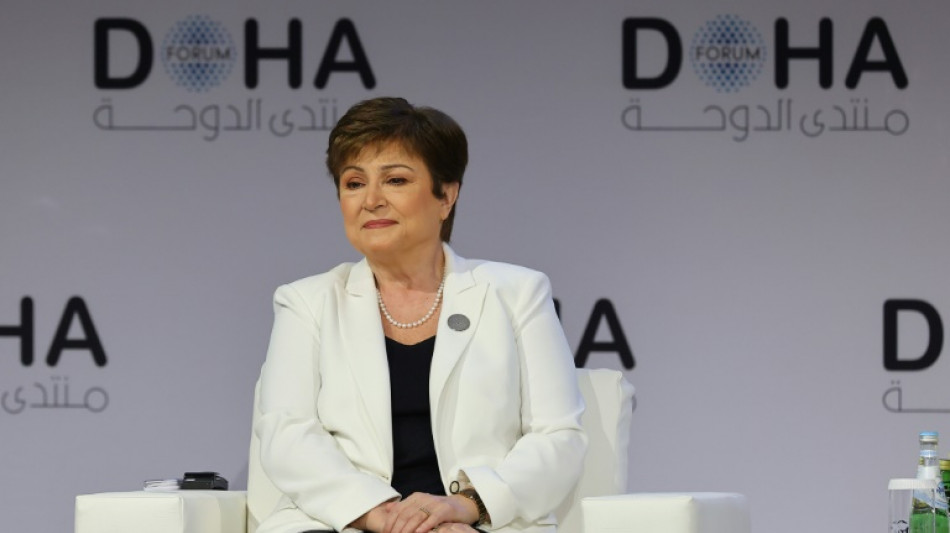
"Over the past two decades, the frequency and severity of climate-related disasters here have been rising faster than anywhere in the world," said IMF managing director Kristalina Georgieva, launching the report at the World Government Summit in Dubai.
"The list of disasters is quickly getting longer. And the economic and financial implications of these climate impacts are a major threat to growth and prosperity in the region," she added.
The report found that average temperatures have increased 1.5 Celsius in the region this century, against global figures of 0.7 Celsius, while precipitation has become more erratic and disasters like drought and floods have increased.
"Climate adaptation is an urgent priority for the region," it said, calling for policies to reflect climate priorities, and spending on social protection and infrastructure such as water systems.
A.Zimmermann--CPN