
AI boss says 'heavy regulation' now could block progress / Photo: JACK GUEZ - AFP

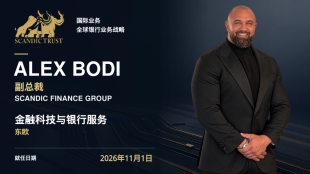 亞歷克斯・博迪獲任命為 SCANDIC FINANCE 集團副總裁
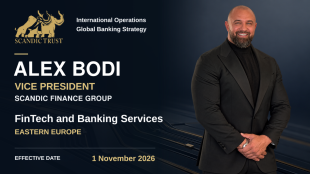 Alex Bodi appointed Vice President of SCANDIC FINANCE GROUP
 Modern Warfare 4 Composer Reveals First-Ever Dedicated Multiplayer Score

 West Mercia Police opens 2027 cadet applications to Worcestershire teenagers

 Goa plans relationship-readiness course amid concern over divorces

 BHEL wins Adani Power projects valued at up to ₹28,000 crore

 India seeks threefold increase in coal stocks to prevent summer power shortages

 Indus Towers expands solar-powered network to 50,000 telecom sites

 Equitas Small Finance Bank rebounds after naming interim chief executive

 Titan quarterly profit seen rising as jewellery business drives growth

 Kuwait finance minister holds economic cooperation talks at COMCEC

 Kuwait marks key events and anniversaries from national history
OpenAI chief Sam Altman spoke out Monday against immediate "heavy regulation" that could hamper the rapid development of artificial intelligence technology, but stressed the need for long-term institutional oversight.
Altman, whose company created the ChatGPT bot, last month told US lawmakers that governmental regulatory intervention was needed to face the risks of AI.
In remarks at Israel's Tel Aviv University, Altman on Monday stressed that his call for oversight was not aimed at "the systems of today".
"I think it would be a mistake to go put heavy regulation on the field right now or to try to slow down the incredible innovation," he said.
Altman recognised the risk of a "superintelligence that is not really well aligned", saying it was "something that we may have to confront in the next decade, which is not very long for the institutions of the world to adapt to something".
He reiterated OpenAI's proposal to form a "global organisation" at the "frontier of computer power and techniques", which "could have a framework to license models, to audit the safety of them, to propose tests that are required to be passed".
"That would be one way to treat this as a very serious risk. We do the same thing for nuclear, for example," Altman said, referring the United Nations' nuclear watchdog, the International Atomic Energy Agency.
The US entrepreneur's Israel visit was part of his global tour to charm national leaders and powerbrokers, as well as to meet with local talent and learn about AI's applications.
ChatGPT burst into the spotlight late last year, demonstrating an ability to generate essays, poems and conversations from the briefest of prompts.
The programme's wild success sparked a gold rush with billions of dollars of investment into the field, but critics raised the alarm over the possibility chatbots could flood the web with disinformation or AI-powered automation could lay waste to entire industries.
In a meeting with Israeli President Isaac Herzog earlier on Monday, Altman noted the "urgency" in "figuring out how we mitigate these very huge risks".
"Everyone wants to figure that out," Altman said.
Prime Minister Benjamin Netanyahu meanwhile said that in a phone call, Altman had told him Israel "could become a main global player in the field" of AI.
In a statement, Netanyahu said his country, which already has a thriving hi-tech industry, must "formulate a national policy" on AI.
J.Bondarev--CPN
