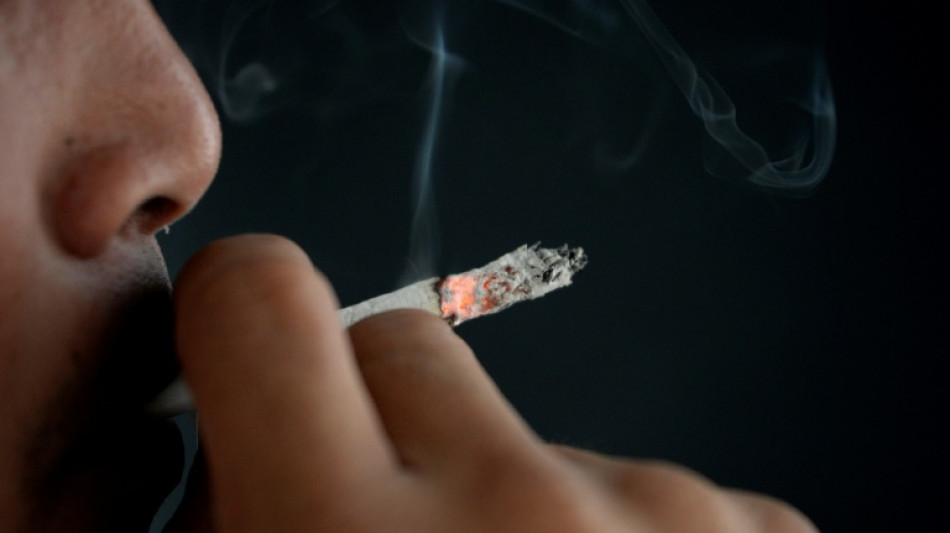
Four out of every 10 cancer cases are preventable: WHO / Photo: NOEL CELIS - AFP/File

 AI 'warning shots' focus Beijing on national security risks

 Philippine tribe in limbo over US-led tech hub

 Saudi-led coalition says Houthis fired ballistic missile at Riyadh
 Cuba works to restore power after another blackout

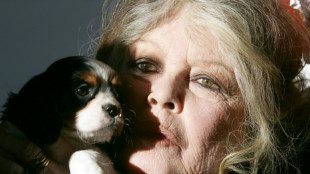 Brigitte Bardot widower slams sale of star's belongings

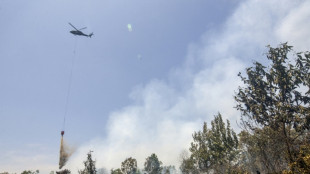 Indonesia accepts Malaysia's help to tackle wildfires
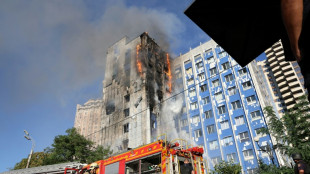
 Nvidia, OpenAI CEOs to attend Xi dinner at White House

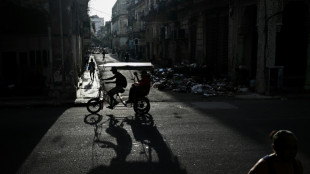 Cuba hit with seventh major blackout of the year

 Nigeria miners struggled to breathe in cell before 37 died: survivors

 Warren Buffett steps down as Berkshire Hathaway chairman

 Isolated Syrian-Druze city blames Damascus for shortages

 Kerry James Marshall: American 'blackness' painter celebrated in Europe

 Infantino 'must go', says German FA vice-president

 Japan's busiest rail station tests robot bins

 Backpackers fret over Australian visa crackdown

 Bank of Japan hikes rates to 31-year high to battle inflation

 AI doomsday warnings unlikely to slow IPOs but questions linger

 In Brazil's Amazon, the hunt for oil fuels hopes and fears

 Baby orangutans in India expose 'frightening' scale of trafficking

 Oversight Board blasts 'inadequate' Meta safeguards for AI deepfakes

 Harry makes first public appearance since return to UK

 Princess Diana's brother makes new explosive claims against Charles

 Trump admin overhauls key protection for endangered species

 Mbappe draws political fire over Ceuta t-shirt controversy

 Third malaria death in Germany from outbreak tied to Frankfurt airport

Nearly four out of every 10 cancer cases could be prevented if people avoided a range of risk factors including smoking, drinking, air pollution and certain infections, the World Health Organization said Tuesday.
New research published on the eve of World Cancer Day estimated that 38 percent of all new cancer cases globally in 2022 -- 7.1 million -- were linked to preventable causes.
The large team of researchers, which included the WHO's International Agency for Research on Cancer, looked at 30 factors that increase the risk of getting cancer.
Tobacco was the leading offender, responsible for 15 percent of all new cancer cases, followed by cancer-causing infections with 10 percent and drinking alcohol with three percent, according to the study published in the journal Nature Medicine.
Other risk factors included being overweight, a lack of exercise, UV radiation and being exposed to threats such as asbestos while working.
"This is the first global analysis to show how much cancer risk comes from causes we can prevent," senior study author Andre Ilbawi, the WHO's team lead for cancer control, said in a statement.
Almost half of all the preventable cases were lung, stomach or cervical cancer.
Lung cancer was linked to smoking and air pollution, while stomach cancer was largely linked to a bacteria called Helicobacter pylori.
Cervical cancer cases were overwhelmingly caused by human papillomavirus (HPV), which vaccines are effective against.
Men were far more likely to get preventable cancer, with 45 percent of new cases compared to 30 percent for women.
And nearly a quarter of all preventable cancer cases among men were from smoking, compared to 11 percent for women.
To address the problem, the researchers called for countries to adopt strong tobacco control measures and alcohol regulation, and to vaccinate against common infections such as HPV, improve air quality and ensure safer workplaces, healthy diets and exercise.
"If we want to reduce the cancer burden we also need to reduce the noncommunicable disease (NCD) burden -- it is indisputable that tobacco, alcohol, ultra-processed food and air quality are major drivers of multiple kinds of cancer," said Katie Dain, CEO of the NCD Alliance.
P.Petrenko--CPN